MBABANE – African policymakers are being urged to urgently adopt a coordinated five-point strategy to cushion immediate shocks and build long-term agricultural resilience.
This comes as geopolitical tensions involving the United States, Israel and Iran continue to disrupt global fertiliser supply chains.
Experts from global development institutions argue that without swift and deliberate intervention, countries such as Eswatini risk heightened fertiliser shortages, rising food prices and increased vulnerability among smallholder farmers who form the backbone of food production.
At the heart of the recommendations is the need for African governments to shift from reactive responses to proactive planning in the face of global supply disruptions.
The first priority, according to the experts, is improving market intelligence systems across the continent. Governments are encouraged to invest in real-time monitoring of fertiliser trade flows, shipping routes and price movements to better anticipate supply shocks before they escalate into full-blown crises.
Institutions such as UN Trade and Development have already demonstrated the value of tracking maritime traffic through critical chokepoints like the Strait of Hormuz, enabling early warning systems that can guide policy decisions.
Enhanced data sharing among regional bodies, including networks coordinated by the African Fertilizer and Agribusiness Partnership, is also seen as critical in helping countries assess their exposure to global risks and coordinate timely responses.
Secondly, African governments and regional organisations are being called upon to pool fertiliser demand and coordinate procurement strategies. By consolidating orders, countries can negotiate better prices, reduce vulnerability to export bans and cushion themselves against volatile freight costs.
The establishment of regional buffer stocks and shared commercial reserves is another key measure that could stabilise markets during supply shortages.
*Full article available on Pressreader*
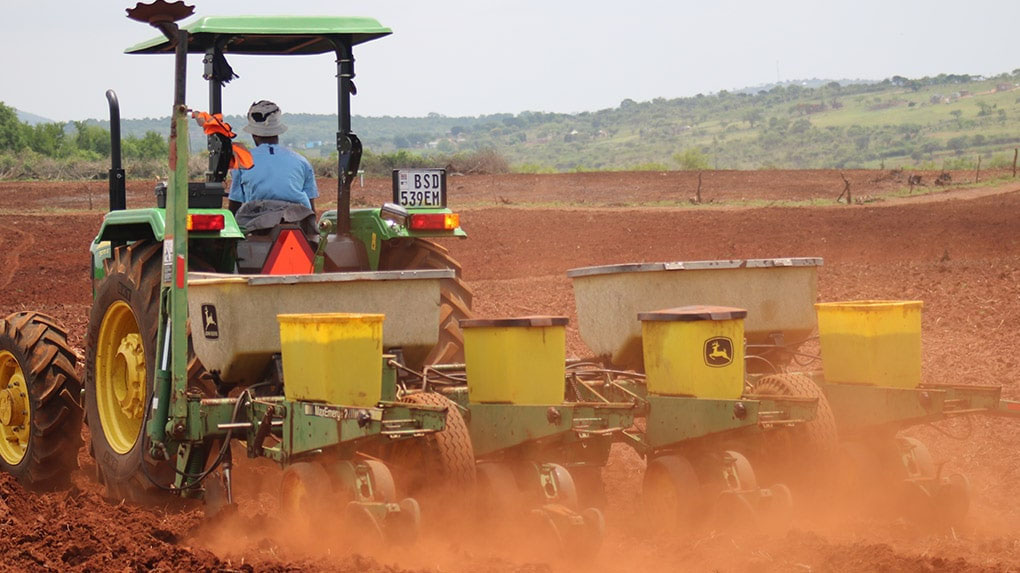
According to the Food and Agriculture Organization, even a 10 per cent reduction in fertiliser availability could result in up to 25 per cent less maize, rice and wheat grown in sub-Saharan Africa. This could trigger food inflation of up to 8 per cent on the continent. (File pic)