MBABANE – EmaSwati may soon be able to use movable assets such as livestock, vehicles, machinery and even intellectual property as collateral for loans.
This is because the country advances plans to establish a national Movable Collateral Registry.
The initiative, spearheaded by the Central Bank of Eswatini (CBE), in partnership with the Alliance for Financial Inclusion, is expected to widen access to credit, particularly for women-led micro, small and medium enterprises (MSMEs), which continue to face barriers in securing formal financing.
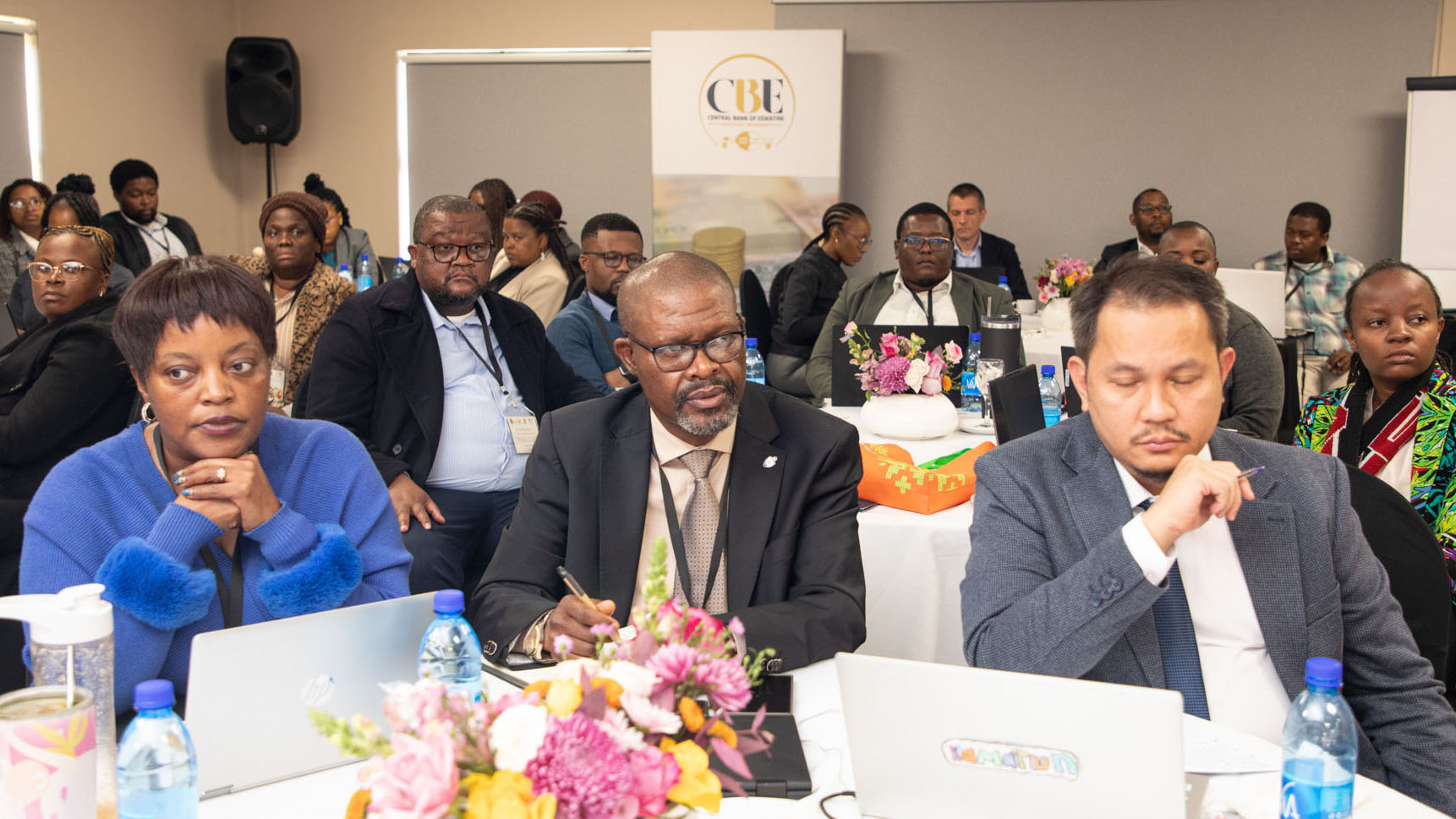
This emerged during a workshop held at the CBE Headquarters in Ezulwini yesterday, bringing together commercial banks, micro-lenders, development finance institutions, legal experts and government ministries to advance the reform and begin developing a national roadmap for the establishment of the registry.
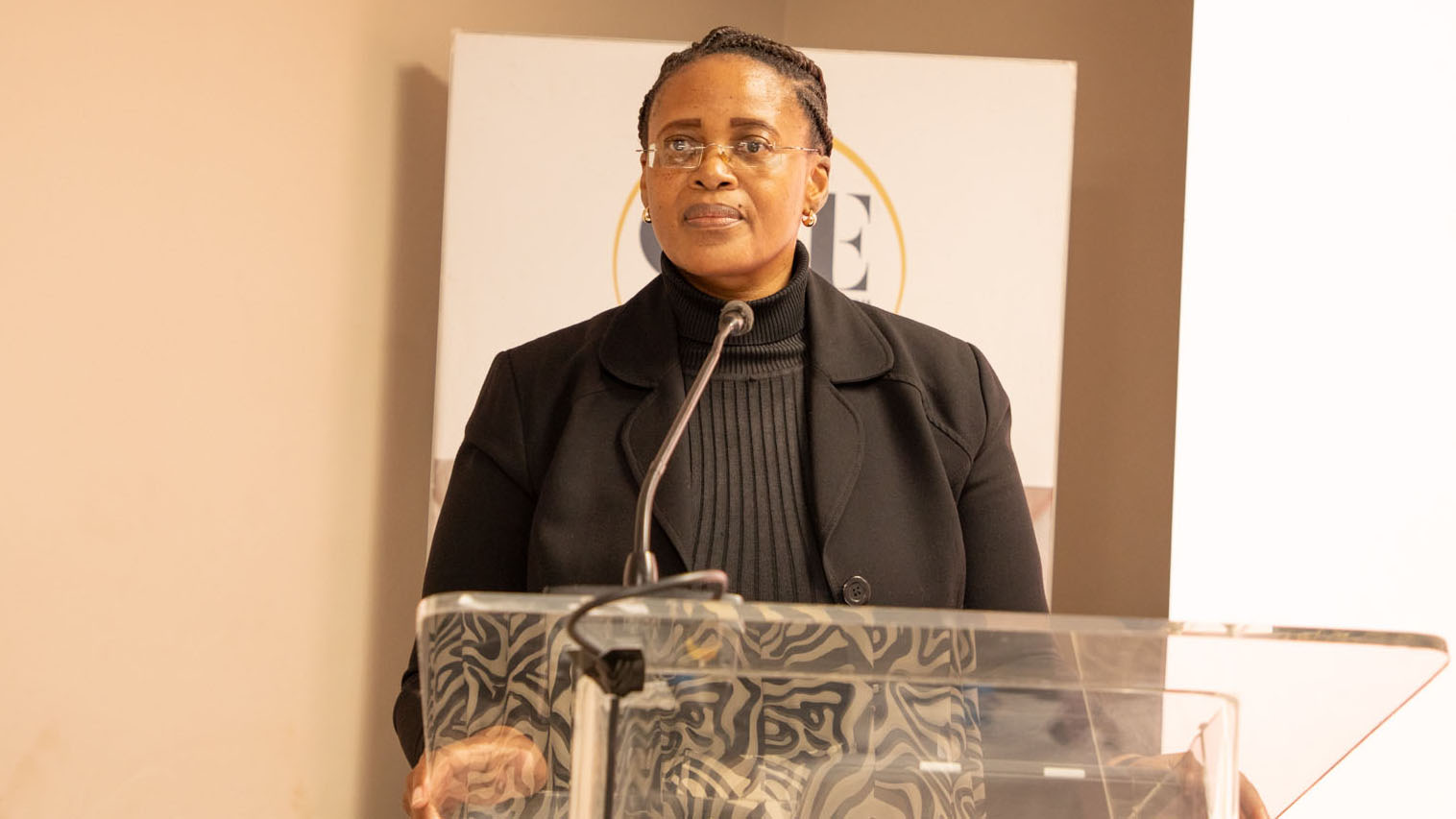
Director of Financial Regulation at the Central Bank, Lungile Dlamini, said the reform seeks to make the financial system more inclusive and responsive to the realities faced by entrepreneurs, especially women.
Dlamini said access to finance remained one of the biggest challenges affecting MSMEs despite women owning approximately 60 per cent of such businesses in Eswatini.
“Approximately 74 per cent of firms with a female top manager identify access to finance as a major constraint and only about 10 per cent of MSMEs can secure formal financing,” she said.
She explained that the country’s financial system still relies heavily on immovable assets such as land and buildings when issuing loans, excluding many entrepreneurs who do not own property but possess productive movable assets. “Many women entrepreneurs and low-income individuals do not own such assets. Instead, they hold movable assets, including machinery, vehicles, inventory, livestock, crops, receivables and even intellectual property,” she said.
Under the proposed system, these movable assets would gain legal recognition as collateral, allowing businesses and individuals to use them to secure credit from financial institutions. Dlamini noted that the issue was not necessarily a lack of assets among entrepreneurs, but rather the inability of the current system to adequately recognise such assets as acceptable collateral.
“In many jurisdictions, Movable Collateral Registry provides these assets with legal recognition as collateral, effectively transforming everyday productive assets into instruments for accessing finance, particularly for women,” she said.
She described the reform as a significant step towards fairness, efficiency and unlocking economic potential in the country.
“While a movable collateral registry may appear to be a technical reform, it also represents a significant step towards fairness, efficiency and the unlocking of economic potential. It is about expanding opportunities and enabling more businesses to participate meaningfully in the formal financial sector,” Dlamini added.
The Central Bank said the training workshop would also allow Eswatini to learn from countries that have already implemented similar systems and recorded measurable increases in MSME lending.
*Full article available on Pressreader*