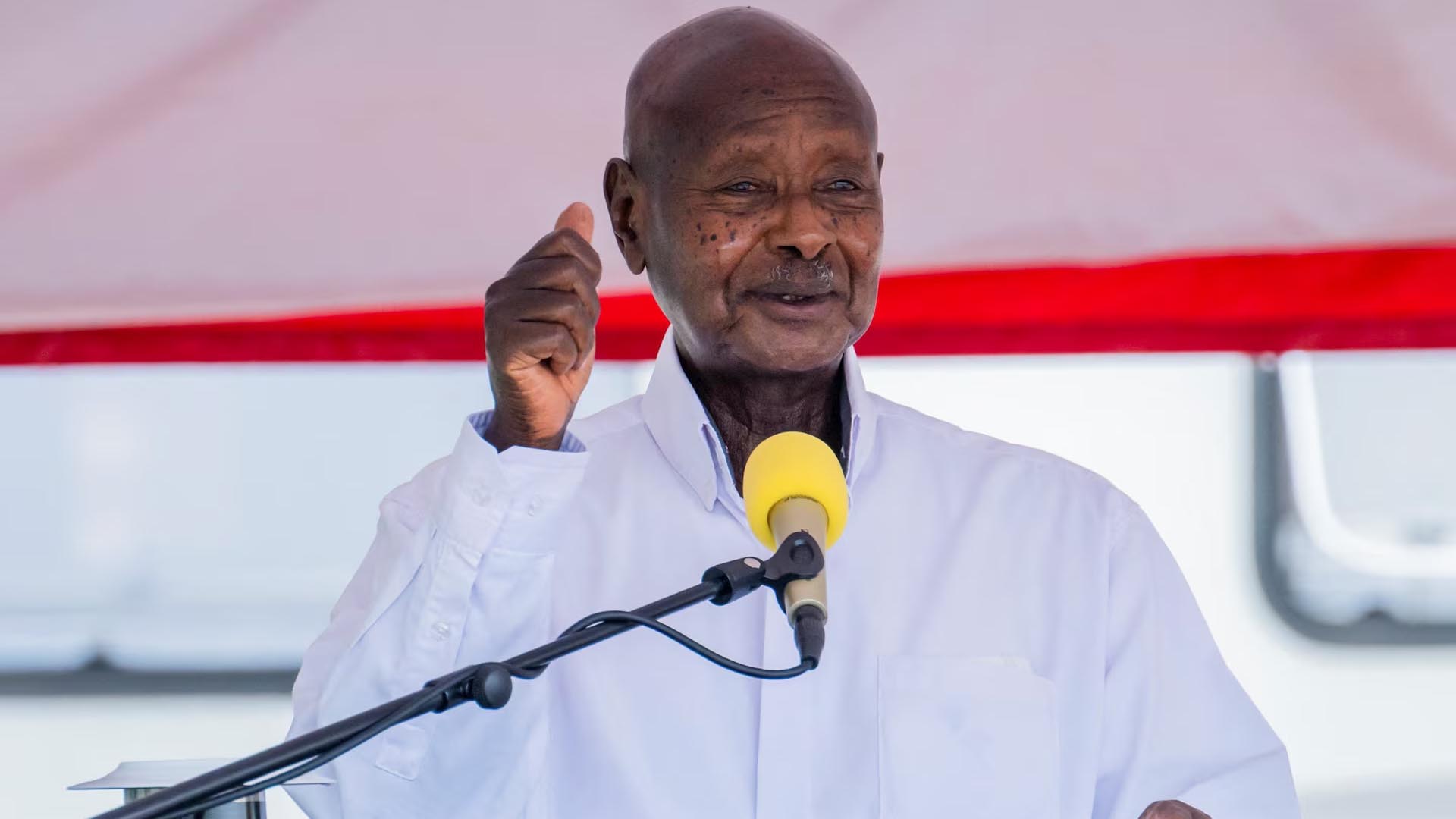
Uganda’s Yoweri Museveni secured a seventh presidential term after official results depicted him winning 72 per cent of the vote. The outcome occurred in an environment shaped by restrictions on opposition activity and an internet shutdown, imposed two days before voting. Government states that the blackout sought to prevent misinformation and incitement, yet the timing places digital communication out of reach during a decisive political moment. Connectivity returned only partially after polls closed and social media platforms remained restricted. These conditions frame domestic and international interpretation of the election.
Museveni has described opposition groups as terrorists, intent on overturning the vote through violence. In his victory address, he accused the National Unity Platform of planning attacks on polling stations and linking its actions to foreign actors. He issued warnings against what he termed ‘subversive activity’. Opposition Leader Bobi Wine whose legal name is Robert Kyagulanyi, received 25 per cent of the vote. He revealed he would be going into hiding, following what he described as a police raid of his home.
African election observers and rights organisations criticised the poll. Human Rights Watch reported repression ahead of voting. Small protests took place in parts of Kampala, with teargas deployed. Security presence eased the following day as shops reopened, according to reports. In Butambala, an opposition lawmaker reported at least 10 deaths, while Museveni stated that police acted to stop an attack.
The seventh term extends nearly four decades of rule. Over this period, constitutional changes have removed age and term limits, allowing repeated candidacies. Elections have taken place on schedule, but the political space narrows across cycles. Control of State institutions and security structures concentrates power around incumbency. Analysts describe outcomes as expected, given these dynamics. This continuity invites scrutiny, not only of results, but of conditions under which votes are cast and counted.
The internet shutdown becomes central to that scrutiny. Digital access now functions as infrastructure for campaigns, media reporting and citizen oversight. Government argues that restrictions deter unrest, though the effect alters the electoral environment. In an era where connectivity underpins openness, the absence of access during voting shapes credibility assessments.
Democracy is said to be practised through elections yet the concept also involves renewal. Citizens participate with expectations of competition and potential change.
Long incumbency compresses competition as administrative reach and security presence align with ruling structures. Elections still occur yet turnover becomes unlikely. Under such conditions, questions arise about whether systems allow space for new leadership and ideas. Age enters the discussion as leadership tenure spans generations while populations remain youthful.
The issue concerns institutional design, not personalities.
International suspicion follows observable patterns. When elections coincide with shutdowns, arrests and limits on observation, credibility suffers. Greatly! Responses from external actors vary. Some prioritise stability and cooperation, while others issue critical statements. This inconsistency reduces normative pressure and leaves standards uneven. As a result, questions grow about whether global or regional limits on presidential terms should exist to promote renewal and reduce concentration of power.
Uganda is not alone in using digital restrictions during political moments.
Zimbabwe experiences internet disruptions during contested periods, including elections and protests. In 2019, authorities restricted access amid demonstrations and political tension. Rights groups reported that shutdowns, limited information flow and monitoring.
Elections proceeded but outcomes faced scepticism from segments of the international community, understandably so. Ethiopia also has also imposed repeated internet blackouts during elections and security operations. During the 2021 general election, connectivity restrictions coincided with conflict and political tension. These examples show a pattern where legal frameworks permit elections while operational controls shape outcomes.
The presence of ballots alone does not settle questions about fairness. Conditions surrounding participation matter.
Museveni’s victory, in this context, sits within a wider discussion about governance, longevity and electoral standards.
The seventh term is indicative of a system where continuity prevails and change faces barriers. Government credits stability and economic progress while critics focus on civil liberties and political space. Both narratives coexist, but the shutdown and security actions dominate external analysis.The call for a global standard on term limits emerges from repeated cases where incumbency extends indefinitely through legal change.
While sovereignty shapes constitutional choices, the absence of shared norms leads to divergent practices. In regions where limits remain, leaders rotate and competition refreshes. Where limits fall, elections continue yet leadership does not change. In this context Museveni’s seventh term becomes a case study in contemporary electoral practice. Elections occur, results are declared and order returns. Nonetheless, unresolved disputes over conduct and participation are unabated. The debate extends beyond Uganda to questions about renewal term limits and digital rights during elections in an interconnected world.
Uganda’s Yoweri Museveni. (Pic: Reuters)