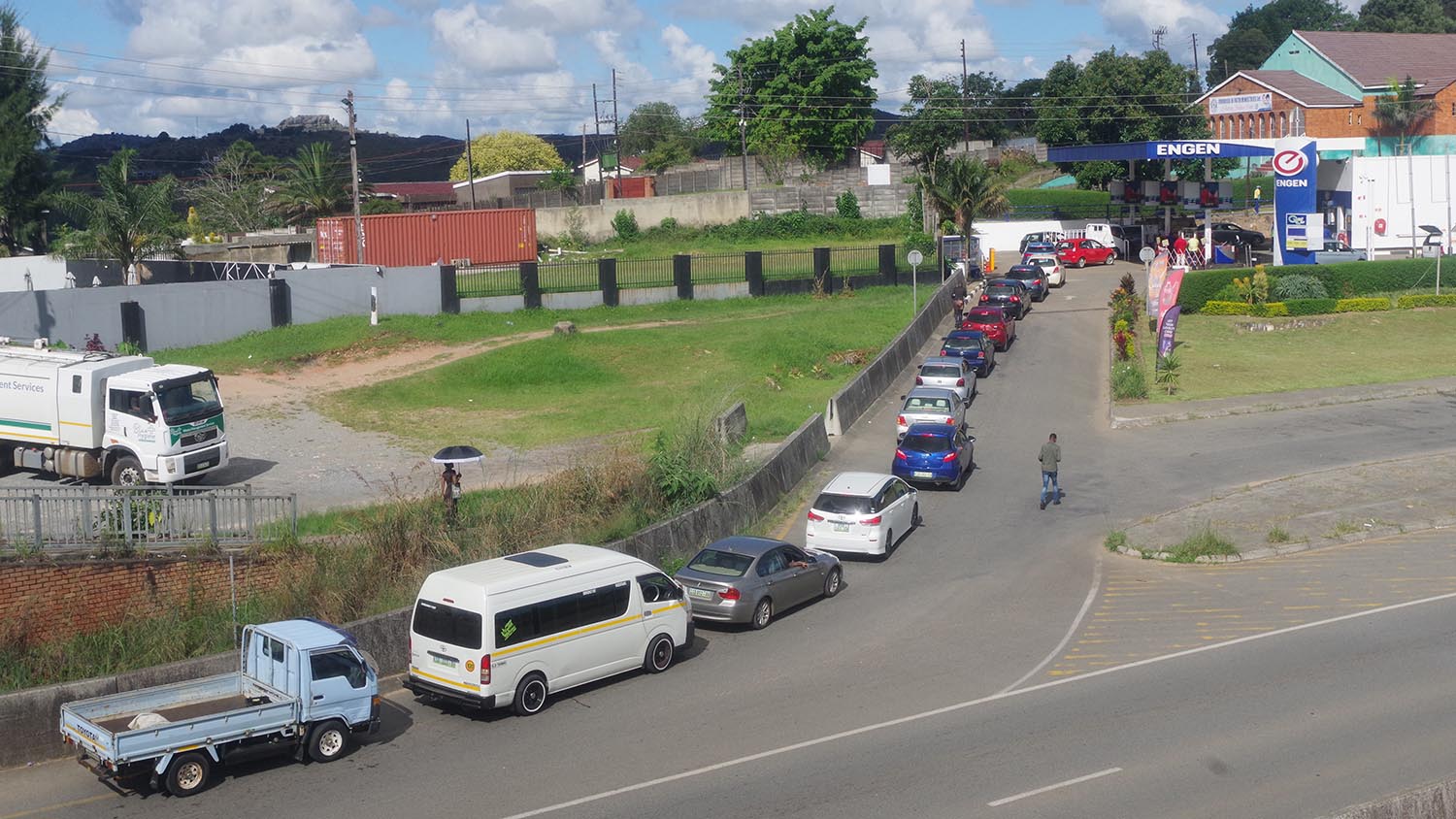
The queues came first. Long, restless lines of cars snaking around petrol stations, tempers rising as rumours spread faster than supply could stabilise. In recent days, as tensions between Iran and Israel rattled global markets, motorists across countries rushed to fill their tanks, fearful of soaring prices and empty pumps. It felt sudden. It felt alarming. For the world’s poorest nations, however, this is not a moment of crisis. It is a permanent condition.
A recent report shows that the poorest countries collectively spend around US$155 billion each year importing fossil fuels, a staggering burden on economies already stretched to breaking point. That figure is not merely an accounting detail. It is the difference between functioning hospitals and drug shortages, between funded classrooms and overcrowded schools, between resilience and collapse.
Fuel, in this context, is not just energy. It is power in the most literal and political sense.
Across much of Africa, the consequences are visible and immediate. In Malawi, for instance, chronic fuel shortages have repeatedly paralysed transport systems, disrupted agricultural supply chains and driven inflation upwards. When fuel becomes scarce or unaffordable, farmers cannot move produce, businesses cannot operate efficiently and basic goods become more expensive. The poorest households, already spending a disproportionate share of their income on energy, are pushed further into hardship. Similarly, in Ghana, rising global oil prices have contributed to broader economic instability in recent years, feeding into inflation and currency pressures. Governments facing ballooning import bills are often forced into difficult trade-offs, cutting public spending or increasing borrowing just to keep fuel flowing. In many cases, debt repayments already consume vast portions of national revenue, leaving little room to absorb external shocks.
What is unfolding is not simply a market fluctuation. It is a structural imbalance baked into the global economy.The irony is striking. Many of these same countries contribute the least to global emissions, but they are among the hardest hit by both climate change and the cost of fossil fuels. Research shows that the poorest half of the world produces only a fraction of the emissions generated by the wealthiest, while bearing a disproportionate share of the consequences. In effect, they are paying twice: Once through environmental damage and again, through crippling import bills.
Energy insecurity compounds existing pressures. Studies have long shown that when households cannot reliably afford energy, the effects ripple through health, education and overall well-being. Children study less, food storage becomes unreliable and healthcare delivery is compromised. At a national level, these pressures accumulate into slower growth and deepening inequality.
There is also a deeper, more uncomfortable truth. The global financial system often locks poorer nations into continued dependence on fossil fuels. High levels of debt, combined with limited access to affordable financing, mean that many countries cannot invest meaningfully in alternative energy infrastructure. Some are even encouraged to expand fossil fuel projects to generate the revenue needed to service existing debts, perpetuating a cycle that is both economically and environmentally unsustainable. This is not merely an economic trap. It is a policy failure at the highest levels.
The scenes of panic buying seen during recent geopolitical tensions offer a glimpse into what happens when supply chains falter. For wealthier nations, such disruptions are usually temporary inconveniences. Strategic reserves are released, markets adjust and normality resumes. However for poorer countries, there is no buffer. Every spike in global prices translates almost immediately into domestic strain.
Eswatini’s own experience during the recent fuel rush reflects this fragility. Queues formed rapidly across the country, echoing similar scenes elsewhere. Although the situation eased over the Easter weekend, it revealed how quickly fear and scarcity can take hold. Now imagine that scenario not as a passing episode, but as a recurring reality shaped by structural dependence and limited fiscal space.
The question, then, is not whether another fuel shock will come. It is when and how severe.
Breaking this cycle requires more than short-term fixes. It demands a rethinking of how energy systems are financed and developed in the global south. Investment in renewable energy is often presented as the obvious solution, although the transition itself is fraught with challenges. Without adequate support, shifting away from fossil fuels can impose additional costs on already strained economies.
At the same time, maintaining the status quo is clearly untenable. The current model drains resources, entrenches inequality and leaves countries exposed to external shocks beyond their control.
There is a growing recognition that solutions must include debt relief, concessional financing and targeted support for energy transitions tailored to local realities. Without such measures, the burden will continue to fall on those least able to bear it. Ultimately, the queues at filling stations are not just about fuel. They are about exposure in a deeply unequal world. They are about the invisible systems that determine who absorbs shocks and who is overwhelmed by them. For the world’s poorest nations, the cost of keeping the lights on has become a barrier to development itself. Unless that changes, the lines will only grow longer, the wallets emptier and the path to prosperity ever more distant.
A lot of motorists flocked the Engen Filling Station at Sidwashini as the ongoing fuel shortage hits the country.