As the global economy continues to face economic shocks as a consequence of the war, disrupting supply chains for oil, gas and also fertilisers, it brings to mind the need for an adaptive posture by the kingdom’s inhabitants. Eswatini is a highly open economy and also a net importer of commodities. This level of openness exposes the kingdom to vulnerability to external shocks and, therefore, whenever the global economy goes into shock, the kingdom must brace for impact. The protracted conflict in Eastern Europe and escalating tensions in the Middle East have disrupted global supply chains, sending the prices of imported grain, fuel and fertiliser soaring. Domestically, these global pressures are compounded by significant hikes in electricity tariffs and a volatile Lilangeni. For the average liSwati household and the local business owner, the cost-of-living surge is a daily battle for survival.
Efficiency and self-sufficiency
Households are embattled with the primary challenge of erosion in purchasing power. The previous week we saw increases in pump prices for petrol, diesel and illuminating paraffin. These increases will translate into increases in the prices of almost all basic staples, as logistics are vital to the overall process. When prices increase, the disposable incomes of households are eroded. The increase in the price of electricity will compound the inflationary pressures that households will face. It is, therefore, imperative that households go on a conservation first mindset. That is, utilise energy saving technologies, instead of the ordinary bulb, switch to LED bulbs, which use 80 per cent less energy. Also, be mindful of energy vampire appliances, that is, appliances that consume energy even though they are on standby. Make sure that your TV, decoders and entertainment systems are completely switched off when not in use and unplugged from the wall. Also, make sure to turn off your geyser when not in use and only use lights in rooms that are occupied.
Chip thrills
If we are to survive the current shocks with little bruises, we must ensure to return to chip thrills. Market-bought entertainment must be replaced with cheap thrills that are essentially free. Instead of having your entertainment system on all day, spend some time outdoors playing in the sun. Enjoy life like it was the 80s or 90s, this will have considerable impacts on your people skills and emotional intelligence, while at the same time saving you a lot in energy costs.
Organic home gardens
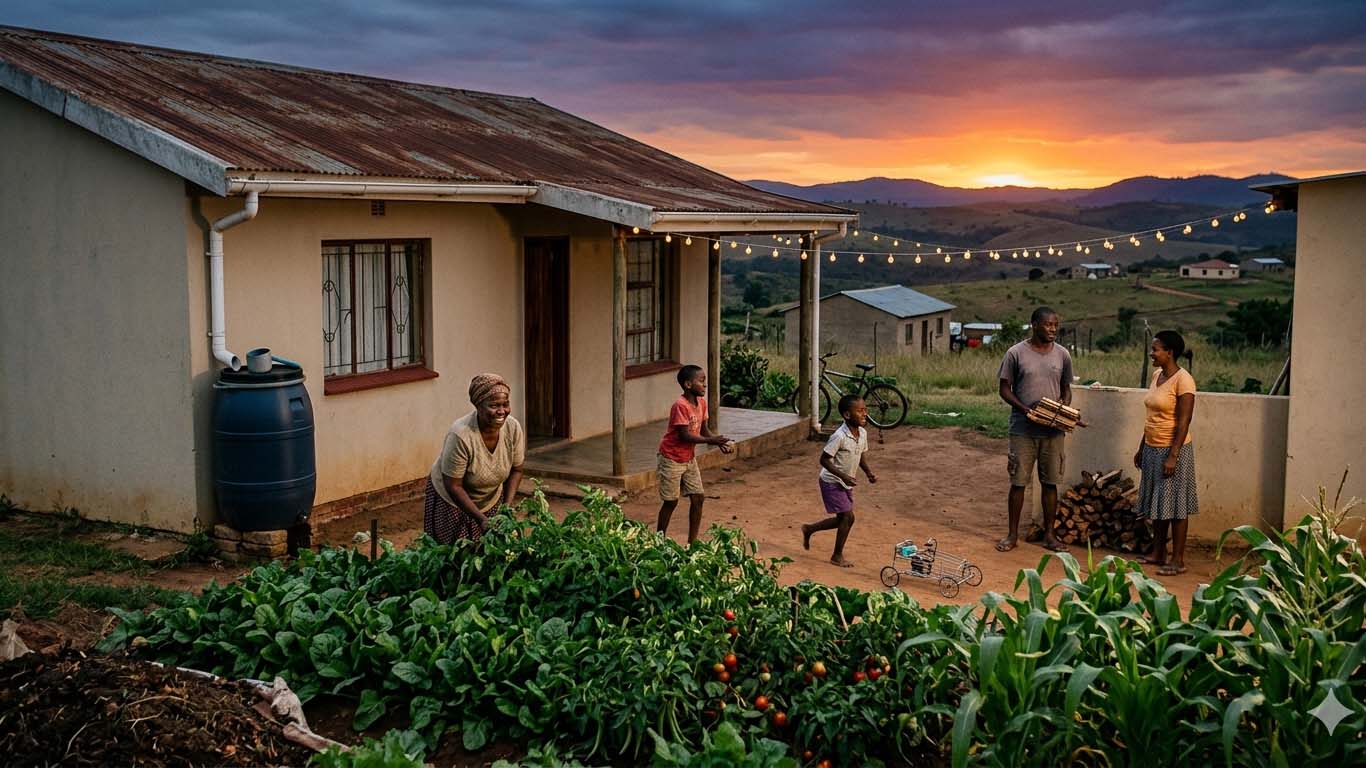
As higher food import costs and higher fertiliser costs are forecast, it is important to return to organic agriculture. Instead of utilising market fertiliser for your backyard garden, consider utilising manure, composting your waste so you can use it in your garden. The main aim should be to lower market exposure and buy as little as you can. Also, to ensure that you backyard garden does not impose a hike on your water bill, harvest rainwater to reuse in your backyard garden. Also, reuse water from your kitchen sinks and your bathroom sinks. Reuse, reduce and recycle; this will ensure that you gain multiple uses out of the commodities you purchase from markets. Also, we need to rethink our stokvel methodology. Instead of pooling resources to shop as a community in December, what if we considered doing that on a monthly basis? We can realise bulk shopping discounts and save for other basic needs.
Carpooling
Travel costs are among the cost items that will rise rapidly if the war continues. It is imperative that we start containing our travels to necessary travels only. Also, if possible, we can share a ride or carpool if we are all heading in the same direction. This will reduce our travel costs and offer us some flexibility on our travel budgets so that we can use that money to subsidise other cost items that are on the rise. Also, public transport achieves the same outcomes as your private car, that is, it takes you from A to B, hence consider reverting to public transport.
Agility and operational leanness
The surge in operational costs will have a marked impact on small and medium enterprises and big businesses alike. The surge in costs is a threat to solvency. When input costs rise, businesses face a dilemma whether to absorb the costs and lose profit margins or pass them on to the consumer and lose volume. Balancing this dilemma requires operational efficiency and a lean operational structure.
Businesses must scrutinise every link in their supply chain. For those in manufacturing or retail, electricity is often the second-highest overhead after labour. Investing in energy-efficient machinery or automating certain processes can reduce the cost per unit. Furthermore, just-in-time inventory management can help reduce warehouse holding costs, though this must be balanced against the risk of supply chain disruptions caused by global wars.
Dependence on a single supplier, particularly those affected by international shipping routes, is a major vulnerability. Eswatini businesses should look towards near shoring, that is, sourcing raw materials from within the SADC region or, ideally, from local Swati producers. This not only supports the local economy, but also reduces exposure to transcontinental freight hikes and currency fluctuations.
Eswatini is a highly open economy and also a net importer of commodities.