Across Europe and the United States, migration policy is shifting towards tighter controls, with governments introducing stricter visa systems, more restrictive asylum procedures and expanded border enforcement. These changes are often presented as necessary responses to public concern about irregular migration, pressure on housing and strain on public services. At the same time, they are defended as measures that restore order, strengthen national security and improve the management of labour markets.
Supporters of stricter border regimes argue that migration must be controlled to remain sustainable. They point to overcrowded reception centres, delayed asylum processing systems and growing political tension in host countries. In this view, tighter borders are not about exclusion but about regulation. Policymakers in several European capitals argue that clearer entry rules and stronger enforcement reduce irregular crossings and help governments plan more effectively for population inflows.
There is also a political dimension. Migration has become one of the most contested issues in elections across Europe and North America.
Governments are under pressure to demonstrate control over national borders and policy tightening is often used as evidence of decisive leadership. The argument is that without stricter systems, public trust in institutions may weaken further. Former US President Barack Obama once noted: “We are and always will be a nation of immigrants,” but even he acknowledged that orderly systems are essential for maintaining public confidence.However, the economic trade-offs are becoming increasingly visible. Many advanced economies are experiencing ageing populations and shrinking workforces in key sectors such as healthcare, agriculture, logistics and construction. Migration has historically filled these gaps. When inflows are restricted, labour shortages can intensify, leading to higher operating costs and slower economic output. In some countries, hospitals already rely heavily on foreign-trained nurses and doctors, while farms depend on seasonal migrant labour to sustain production cycles.
This tension highlights a contradiction at the centre of current policy. While political rhetoric focuses on restriction, economic systems continue to rely on labour mobility. In effect, migration is being limited in public policy while remaining necessary in practice. This gap between political messaging and economic reality creates pressure that is not easily resolved.
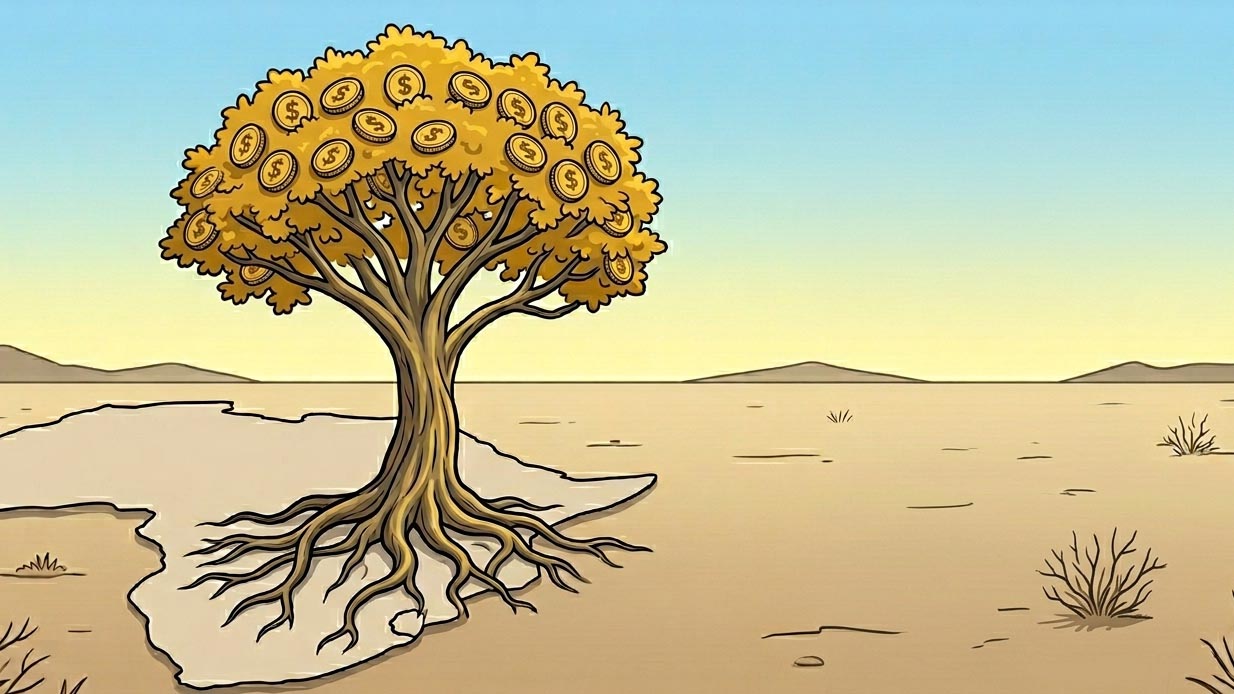
For Africa, the consequences are both direct and indirect. One of the most immediate effects is on remittance flows. According to the World Bank, Sub-Saharan Africa received approximately US$54 billion in remittances in 2023, a figure that in several countries exceeds foreign direct investment. These funds are not abstract financial transfers; they support daily survival. In Eswatini, remittances are estimated to contribute between three and five per cent of GDP, helping households pay for education, healthcare, food and basic living expenses.
Any disruption in migration pathways can, therefore, have a direct impact on household stability.
There is also a social dimension. Migration has long acted as a safety valve for labour markets in many African countries, including Eswatini. With a young population and limited domestic job creation, opportunities abroad have provided both income and skills development
. When access to these opportunities becomes more restricted, pressure builds within domestic economies. Youth unemployment, already a structural challenge in many countries, becomes more difficult to manage.Former UN Secretary-General Kofi Annan once stated: “We need to make migration work for the benefit of all.” His observation reflects the idea that migration is not solely a security issue but also an economic and human one. Balancing these dimensions remains a challenge for policymakers who are increasingly focused on domestic political pressures.
Africa’s demographic profile adds another layer to the discussion. With more than 60 per cent of its population under the age of 25, the continent faces a significant employment challenge. If domestic economies cannot generate sufficient opportunities, migration will remain a key pathway for economic participation. Restricting movement without addressing structural job creation risks intensifying frustration among young people seeking mobility and income.
For Eswatini, the implications are particularly pronounced. The economy remains heavily dependent on regional labour mobility, especially to South Africa. Any tightening of regional or global migration systems reduces employment options for citizens seeking work abroad. At the same time, declining remittance flows can weaken household resilience, particularly in rural areas where such income supports basic consumption and education.
There is also a longer-term concern about skills circulation. Many migrants acquire experience abroad that can be reinvested in their home countries. If mobility is restricted, this exchange of skills becomes more limited.
The result is a less dynamic labour ecosystem, both regionally and globally.
Ultimately, the debate over migration policy is not a simple choice between openness and restriction. It is a balancing act between political accountability, economic necessity and human mobility.
The central question is whether current approaches can sustain both domestic political expectations and international economic realities. As countries continue to refine their migration policies, the outcomes will shape not only national borders but also the flow of labour, skills and income across regions. For Africa and countries such as Eswatini, the stakes are closely tied to livelihoods, opportunity and long-term economic resilience.
Across Europe and the United States, migration policy is shifting towards tighter controls, with governments introducing stricter visa systems, more restrictive asylum procedures and expanded border enforcement.