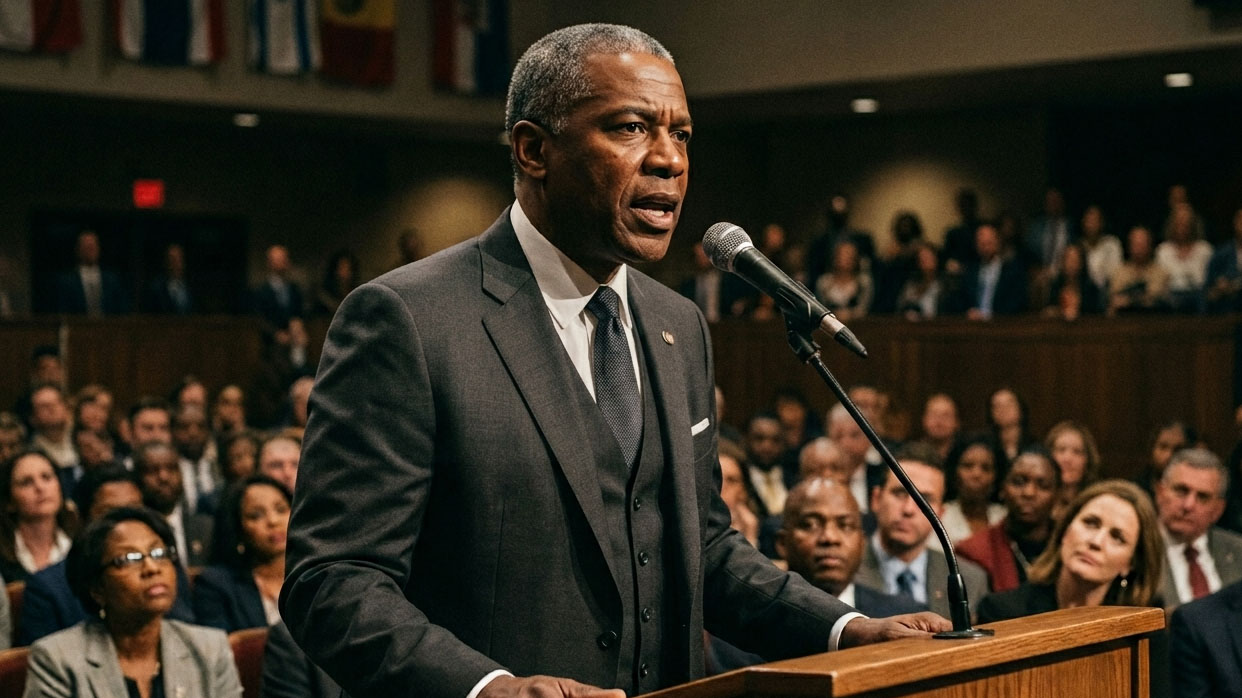
When leaders speak, societies listen. Words spoken from podiums, pulpits and political stages carry more than meaning; they carry permission. They shape what is acceptable, what is tolerated and, at times, what is acted upon. When those words are laced with hate or even subtle disdain towards minority groups, they create an environment where prejudice is not only normalised but emboldened. In such climates, violence is rarely spontaneous; it is cultivated. History has shown us that hate rarely begins with action. It begins with language. It begins with jokes that dehumanise, policies that exclude and speeches that frame certain groups as threats to culture, morality or national identity. When leaders refer to minority communities in ways that strip them of dignity, whether directly or through implication. They plant seeds of division. Those seeds, when watered by fear and ignorance, grow into hostility. The LGBTQI+ community has often found itself at the receiving end of this dangerous rhetoric. Across various societies, leaders have framed queer identities as ‘un-African,’ immoral or a corrupting influence. While these statements may not always explicitly call for violence, they create a moral justification for it. When people are told repeatedly that a group is less deserving of rights or respect, it becomes easier to rationalise discrimination, harassment and even physical harm against them. The problem with indirect hate speech is its deniability. Leaders may argue that they never instructed anyone to act violently.
They may claim their words were taken out of context or misinterpreted. Yet the impact of their rhetoric tells a different story. When communities feel targeted, when hate crimes increase and when individuals feel emboldened to attack others in the name of ‘defending values,’ it becomes clear that language has consequences. This phenomenon can be understood as a form of social permission. When influential figures express hostility towards a group, they signal to others that such attitudes are acceptable. For individuals who already harbour prejudice, this validation can be the push they need to act. What was once kept private becomes public. What was once a thought becomes an action. The consequences for minority groups are profound. Members of the LGBTQI+ community often face increased risks of physical violence, bullying and social exclusion in environments where leaders perpetuate harmful narratives. Beyond physical harm, there is also psychological damage.
Constant exposure to hate, whether direct or implied, can lead to anxiety, depression and a pervasive sense of insecurity. People begin to feel unsafe in their own communities, workplaces and even homes. Moreover, the normalisation of hate undermines the social fabric. It fosters division, erodes trust and creates an ‘us versus them’ mentality. In such environments, empathy is replaced with suspicion and diversity is seen not as a strength but as a threat. This not only harms minority groups but weakens society as a whole. There is also a ripple effect. When one group is targeted, it sets a precedent. Today, it may be the LGBTQI+ community; tomorrow it could be another minority group. Hate, once legitimised, does not remain contained. It spreads, adapting to new targets and justifications. This makes it all the more critical to address harmful rhetoric at its source. Leadership, at its core, is about responsibility. Words should be used to unite, not divide. Leaders have the power to challenge prejudice, to promote understanding and to create inclusive environments where all individuals feel valued and protected.
When they fail to do so and worse, when they contribute to a culture of hate, they betray that responsibility.It is important for societies to hold leaders accountable for their words. This includes calling out harmful rhetoric, supporting inclusive policies and amplifying voices that promote equality and respect. It also involves educating communities about the impact of language and the importance of empathy. Ultimately, the fight against hate is not only about preventing violence, but about affirming humanity. Every individual, regardless of their identity, deserves to live without fear. When leaders choose their words carefully and responsibly, they can help build a world where differences are not just tolerated but celebrated. However, when they choose hate, even indirectly, they risk igniting forces that are far more difficult to control. The question, then, is not whether words matter; they do.
The question is whether those in power will use them to harm or to heal.
When leaders speak, societies listen. Words spoken from podiums, pulpits and political stages carry more than meaning; they carry permission.