MANZINI- Beneath the polished storefronts and steady hum of commerce in the Manzini-Matsapha corridor, a quieter and far more troubling reality is unfolding.
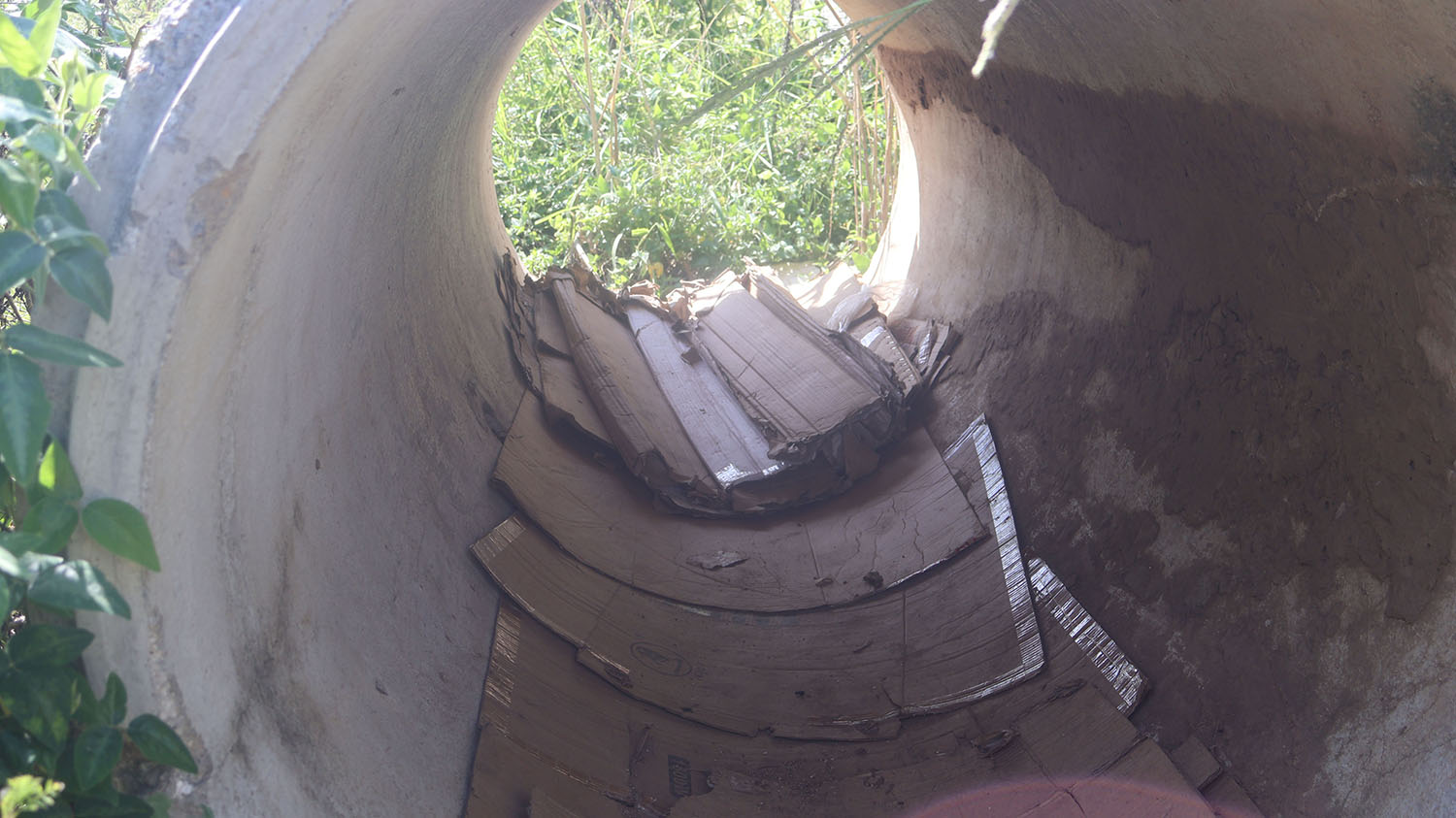
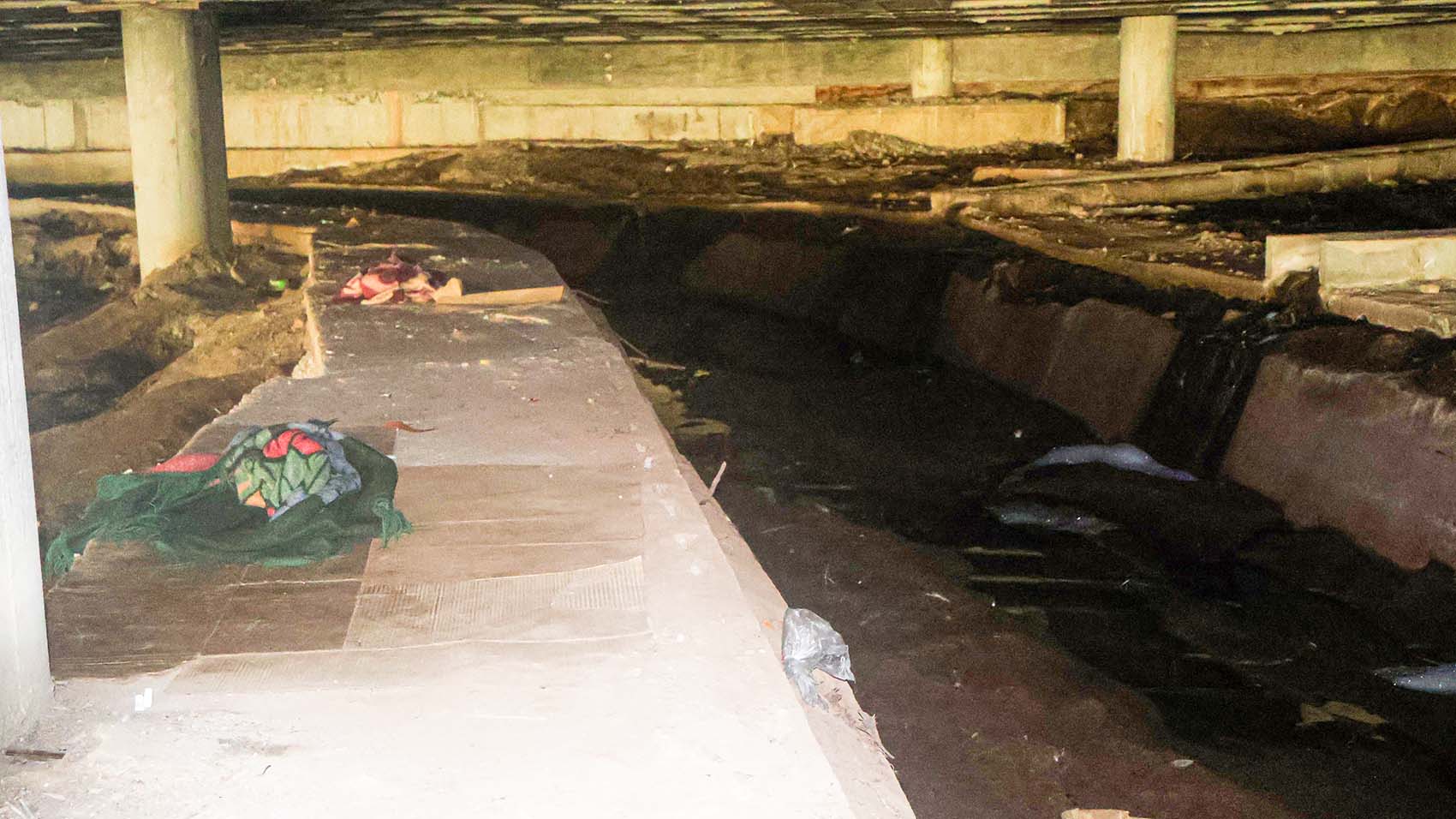
Just below the spacious mall, a multi-million Emalangeni retail complex overlooking the river, more than 15 children have carved out a life in a basement space never meant for human habitation.
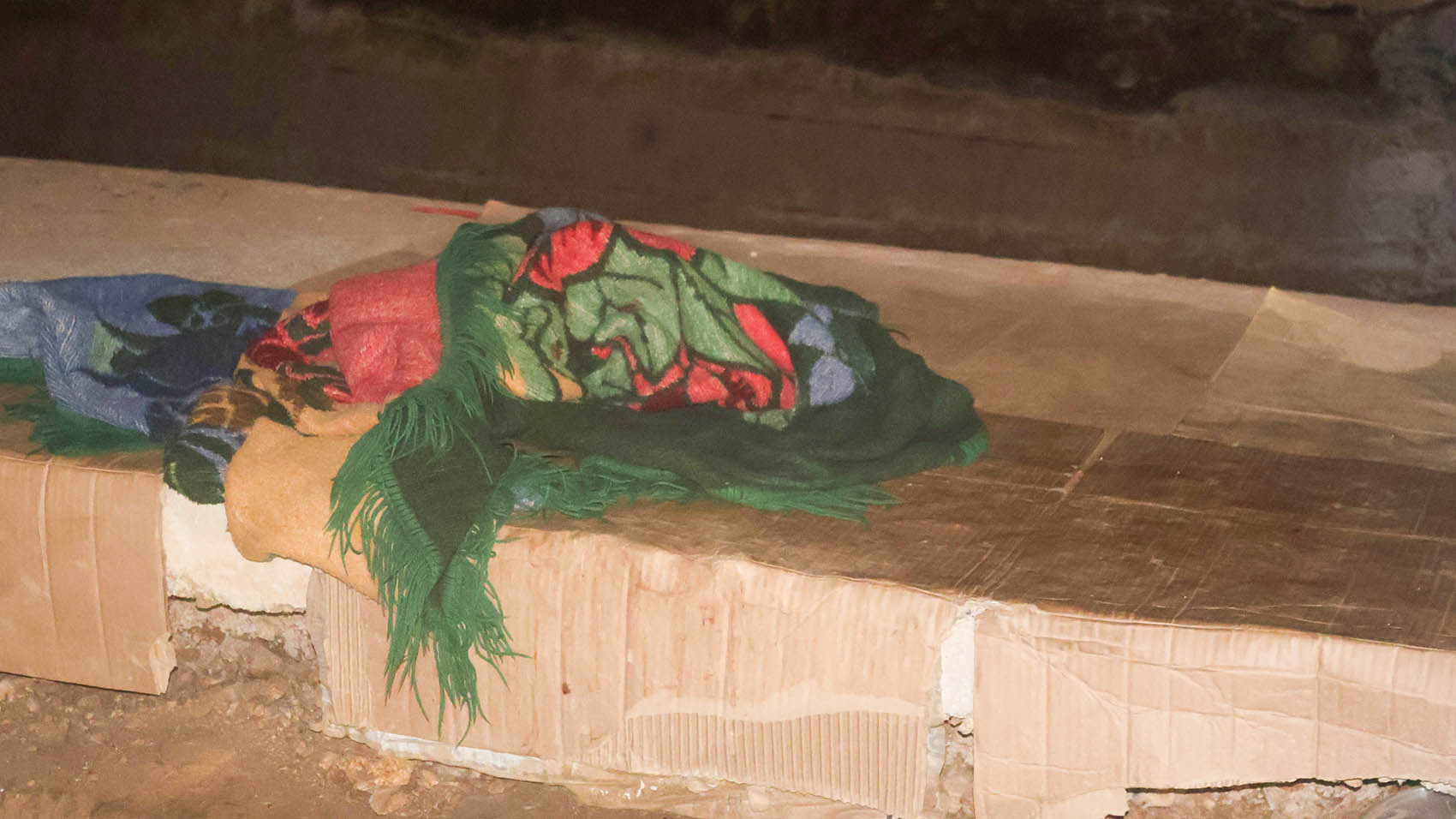
They sleep on worn-out foam mattresses and cardboard, navigate damp concrete floors and muddy soil and live within reach of drainage water that trickles past their makeshift shelter.
The managers of the property said they were not aware that young men were living in their premises illegally, hence the name of the building is withheld.
During a visit this week, the scene felt both hidden and exposed. Hidden from the everyday shopper rushing between stores, yet exposed to the elements, danger and to a life that has little resemblance to childhood.
For now, there is no official count of how many children live on the streets in the Matsapha-Manzini corridor. However, those who work and live in the area, like security guards, said the numbers were rising, slowly but steadily, with children drifting in from different parts of the country.
Despite government investing in policies meant to keep children in school and out of harm’s way, like the country’s free primary education (FPE) programme, the 15 children have not been lucky enough to benefit from such a noble social intervention.
According to Mlandvo Tsela, a resident of Ludzeludze, he said while in principle, the intervention is one of the country’s most significant social interventions, however, more needed to be done. “For a child who has not eaten, lives in a home marked by violence or neglect, or who has no adult consistently looking out for them, the promise of free schooling can feel distant,” said Tsela.
He said the children in the basement have shown that access to education does not always translate into attendance.
Giving a brief explanation of the situation, Tsela shared that he first encountered three of the children living on the street while passing by.
However, one familiar face made it harder to ignore, the face of 14-year-old *Bandzi whom he knew from his area as well as his father. Bandzi, according to Tsela was supposed to be in school, yet, he was not there, pushing a man in a wheelchair and asking passers-by for money.
For those not familiar with Bandzi, Tsela said they would obviously sympathise and offer him money, yet the man in the wheelchair is not his father but part of the broader scheme to get money.
According to Tsela, he was part of a small network that used children to appeal for sympathy while begging. At times, the children are paired with the elderly to increase the likelihood of receiving money.
Sharing Bandzi’s story, he said after his parents separated, he remained with his father, a man he described as having spent long periods in prison and associated with gang activity. His mother, he said, was no longer part of his daily life.
*Not real names to protect minors.
*…
Children come from across the country
MANZINI - A security officer, who took this journalist to where the children live and sleep, said the children come from places across the country, such as Mbabane, Moneni, Mbhuleni and Siteki.
Their presence in the urban zone reflects a broader national pattern rather than a localised issue.
Despite policies such as FPE, the underlying pressures that push children onto the streets remain. Poverty, family breakdown, substance abuse within households and limited access to social services all play a role.
On another note, Tsela has called out the tendency to label children on the streets as troublemakers or criminal (emaphara), urging communities to change their perception towards these children. “These are children in crisis, and if we only see the behaviour and not the cause, we will never solve the problem,” he advised.
He believed that communities have a role to play, not only in reporting cases, but also in offering support where possible.
When contacted for comment on Thursday, Mncusi Shongwe, Director of Social Welfare under the Deputy Prime Minister’s (DPM) Office, said the department was not previously aware of the situation involving children living beneath the mall structure.
He thanked this publication for bringing the matter to their attention and said immediate steps would be taken to verify and respond to the situation.
Shongwe explained that the office operates under the Children’s Protection and Welfare Act of 2012, a key piece of legislation that mandates the DPM’s office to safeguard the rights and well-being of children.
The Act provides for the protection of children from abuse, neglect and exploitation, while further empowering authorities to intervene where a child is found to be in need of care, including placing them in a place of safety where necessary.
“In this case, we will first request our social welfare officers from the Manzini region to conduct an on-the-ground assessment. They will engage the children, establish their identities and determine where they come from,” said Shongwe.
He said the assessment would form part of a comprehensive report aimed at understanding the circumstances that led the children to leave their homes.
*Full article available on Pressreader*