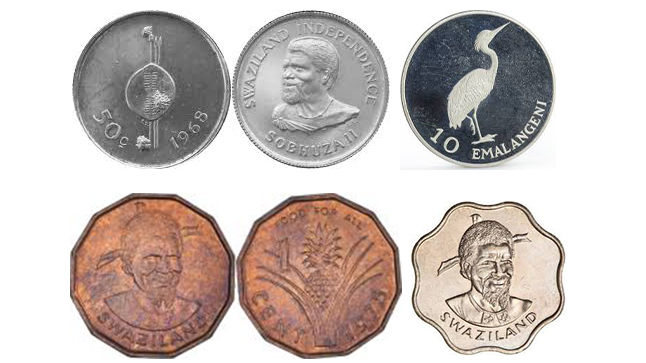
MBABANE – The Central Bank of Eswatini (CBE) has uncovered a coin purchase scam in which fraudsters posing as bank officials are targeting unsuspecting members of the public with promises of substantial payouts for old coins.
The bank has since issued a public warning, identifying two individuals allegedly linked to the scheme and cautioning emaSwati against paying any money to people claiming to buy old coins on behalf of the country’s monetary authority.
According to the Central Bank, the suspects have been approaching members of the public, claiming they are purchasing old coins for substantial amounts of money.
Victims are allegedly told that their coins are worth thousands or even millions of Emalangeni and are then instructed to pay so-called ‘clearance fees’ or ‘release fees’ before the promised payment can be released.
The bank described the claims as false, deceptive and fraudulent.
In a statement, the Central Bank identified the individuals as Buyisile and a certain Sihlongonyane, who allegedly use the contact numbers 7830 9379 and 7669 8843 respectively.
“The Central Bank wishes to categorically state that the claims are false, deceptive and fraudulent,” the institution said.
The development comes amid growing concern across the region over scammers exploiting widespread public interest in old coins and currency notes.
The Central Bank said it had found that victims were being lured with promises of extraordinary financial rewards in exchange for old coins.
However, before any payment is made, they are allegedly instructed to first deposit money described as a processing fee, clearance fee or release fee.
Financial crime experts say this is a classic advance-fee fraud scheme in which victims are persuaded to pay money upfront in the hope of receiving a much larger amount later.
The bank stressed that no employee, representative or agent of the Central Bank is authorised to demand payments from members of the public in connection with the exchange of notes or coins.
“Any individual requesting such payments is acting unlawfully and without authority,” the bank warned.
The Central Bank further urged members of the public not to transfer money, disclose banking details or engage with individuals making such claims. The institution also reminded the public that the law clearly outlines how old notes and coins may be handled.
Section 26 of the Central Bank of Swaziland Order, 1974 provides that when a person surrenders notes or coins issued by the bank, the Central Bank or its authorised agents may exchange those notes and coins for others of equivalent value and in the denominations requested. The exchange is done without charge. The law does not provide for the purchase of ordinary old coins for extraordinary amounts of money. Instead, it only permits an exchange of equivalent value. Certain damaged or altered coins may not qualify for exchange.
The bank said this legal position makes it clear that claims suggesting old coins can suddenly be exchanged for massive sums of money are misleading and designed to defraud members of the public.
The warning by the Central Bank mirrors scams that have surfaced in neighbouring South Africa over the years.
Several South African media reports have documented cases where fraudsters convinced people that ordinary circulation coins were worth millions of Rands. Victims were allegedly promised enormous payouts for coins, including old commemorative pieces and Mandela R5 coins, only to be asked to pay registration fees, processing fees or other charges before receiving their money. Investigators later found that many of the promised fortunes never existed.
*Full article available on Pressreader*
Some of the old coins.