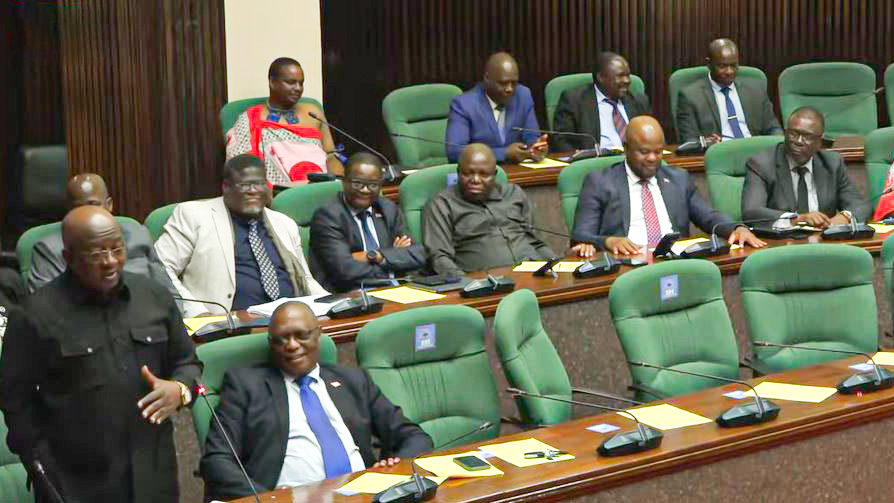
LOBAMBA – Some Members of Parliament (MPs) have warned that making DNA testing compulsory before the issuance of birth certificates could lead to an increase in divorce cases and family breakdowns, even as others argued the measure would protect the rights of fathers and children.
The differing views emerged yesterday during the continuation of the debate on a motion tabled by MP Mgucisi Dlamini, which ultimately failed to secure Parliament's approval.
The motion sought to compel government, through the Ministry of Home Affairs in collaboration with the Ministry of Health, to develop a policy requiring DNA testing before or during the registration of births, particularly where paternity is disputed or uncertain.
It also called for the establishment of a legal and ethical framework to regulate the use of DNA testing.
Introducing the motion, Dlamini said it was prompted by growing paternity disputes, which have resulted in some men unknowingly raising children who are not biologically theirs. He argued that the proposal would protect the rights of children, women and men while ensuring birth certificates accurately reflect a child's parentage.
Mangongco MP Lomalanga Dlamini supported the principle behind the motion but questioned whether compulsory testing would be practical given the cost of DNA tests.
She said many emaSwati would not be able to afford the tests if they became mandatory and warned that widespread testing could have unintended consequences for families.
"It will lead to many divorce cases," she said, adding that unexpected DNA results could destroy marriages and create mistrust within households.
Ludzeludze MP Nomkhosi Mthethwa also expressed reservations despite supporting the intentions of the motion.
She recounted a personal experience in which her family raised a child for about a year before DNA results showed the child was not biologically related to them.
She said the experience demonstrated both the value of DNA testing in establishing the truth and the emotional pain such discoveries can cause.
Lobamba Lomdzala MP Marwick Khumalo described the proposal as thought-provoking and urged Parliament not to abandon the discussion despite the motion failing.
He said DNA testing had become an important tool in modern society, including in the justice system, and could assist communities dealing with disputes over paternity and birth registration.
"Let this debate not die; let us take it to the constituencies," Khumalo said, arguing that wider public consultations were needed before any legislation could be considered.
Somntongo MP Sandile Nxumalo opposed compulsory testing, saying it would effectively treat every citizen as a suspect.
He argued that mandatory DNA testing would undermine individual freedoms and run contrary to the spirit of the Constitution by removing people's right to choose whether to undergo such tests.
Ndzingeni MP Gcina Magagula also rejected the proposal, saying trust should remain the foundation of family relationships.
While acknowledging that mistakes do happen, he maintained that compulsory testing was not the appropriate solution.
Mtfongwaneni MP Nathi Hlophe, however, argued that the rights of children and biological fathers should take precedence.
He said the emotional pain caused when people later discover they have been using the wrong surname or have been misled about their parentage should not be ignored.
"The child must not suffer," Hlophe said, adding that adults should take responsibility for the consequences of their actions rather than allowing children to bear the burden.
Manzini North MP Mashayinkhonjane Nhlengetfwa said discussions in his constituency revealed strong public interest in mandatory DNA testing. He said many men supported the proposal because they wanted protection from unknowingly raising children who were not biologically theirs, while women raised concerns about difficulties in obtaining birth certificates when fathers were absent.
He said the differing views reflected the complexity of the issue but maintained his support for the motion.
Although MPs acknowledged the growing number of paternity disputes and the usefulness of DNA testing in resolving them, the House remained divided over whether making the tests compulsory would protect families or instead create new social and legal challenges.
The motion was ultimately defeated, leaving the issue unresolved despite calls for broader national consultations.
Some Members of Parliament (MPs) have warned that making DNA testing compulsory before the issuance of birth certificates could lead to an increase in divorce cases and fam ily breakdowns, even as others argued the measure would protect the rights of fathers and children.