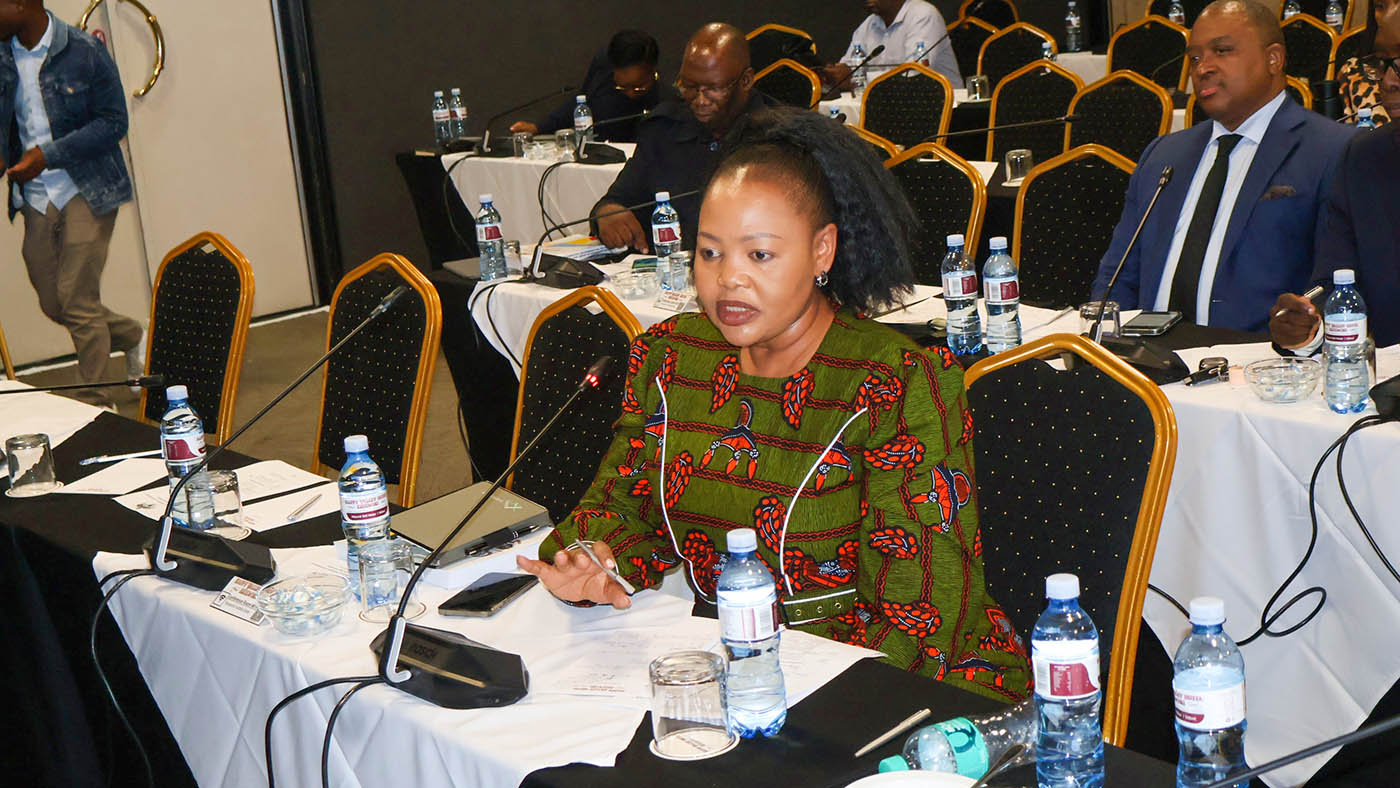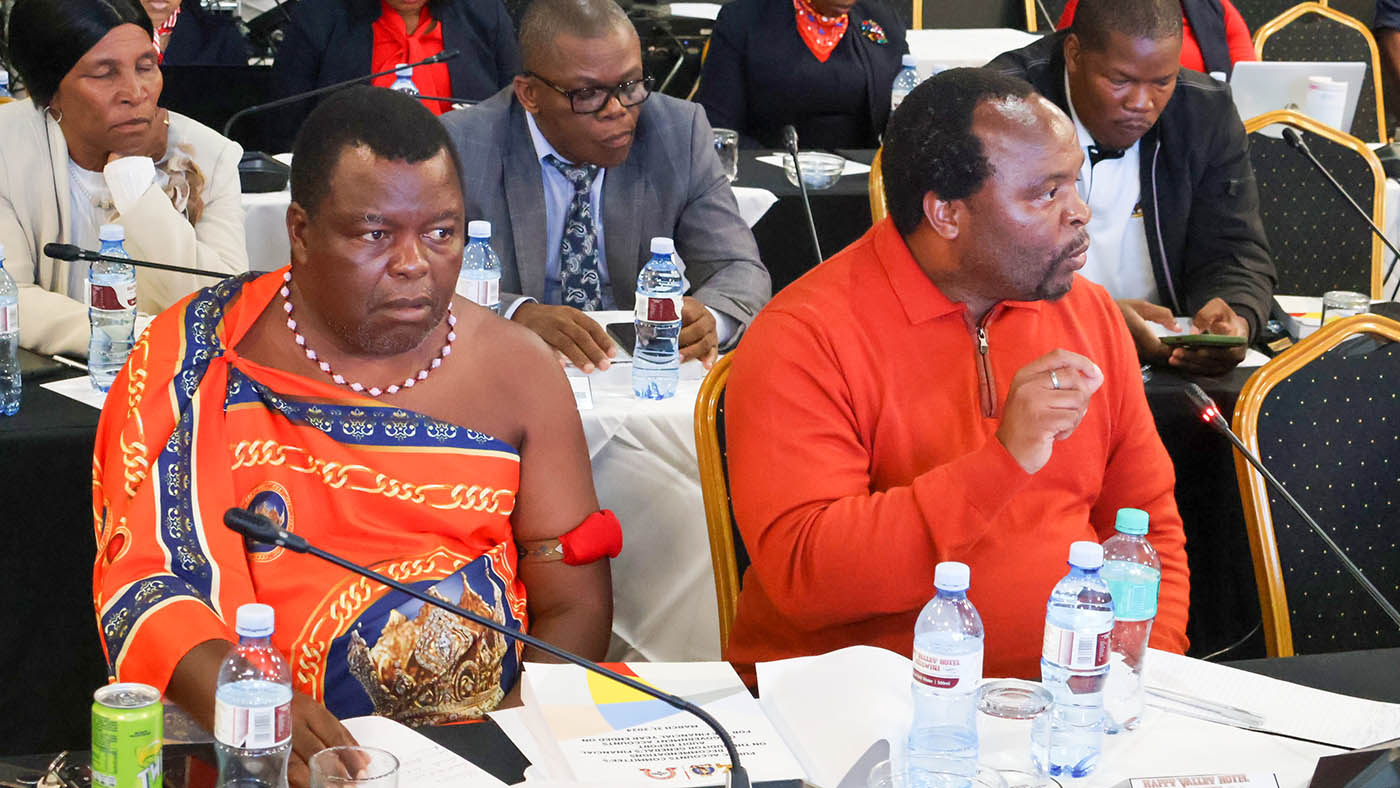
EZULWINI - MPs have called on government to introduce stricter laws to protect elderly citizens from being dispossessed of their land under the guise of farm ownership, as well as from losing their properties in urban areas due to unpaid rates.
This happened yesterday during a workshop on the ratification of international legal instruments, held at Happy Valley Hotel.
Mbabane East Member of Parliament (MP) Welcome Dlamini highlighted provisions within the protocol aimed at safeguarding the welfare of older persons, including the need for pensions and broader social protection services.
He suggested that the Deputy Prime Minister’s (DPM) Office could take the lead in implementing an indigent policy, particularly by establishing a comprehensive database of elderly citizens.
“We need accurate data on elderly persons so that they can benefit from these protections,” said Dlamini.
“Many are struggling to pay municipal rates, which often results in their properties being auctioned. There should either be exemptions or a special rating system tailored for them.”
Gege MP Magesi Dlamini echoed similar concerns, noting that while government efforts to build houses for the elderly were commendable, more needed to be done to address food insecurity.
“Some of these elderly people are dying of hunger. We need to consider introducing community kitchens (emadladla), similar to those established for children, to ensure they have access to basic nutrition,” he said.
He further emphasised the need for stronger legislative measures following the ratification of the legal instruments, particularly in addressing urban property rates and ensuring adequate social protection.
MP Magesi also raised concerns about the current social grant system, questioning whether it was equitable.
“There are individuals earning substantial incomes who are still receiving social grants. We need to review such issues to ensure fairness and proper allocation of resources,” he said.
Additionally, he called for laws that would compel employed individuals to support their elderly parents, arguing that neglect of older family members was a growing concern.
“Parents are often left to care for grandchildren without sufficient support. While they do so out of love, they suffer because their children fail to provide for them,” he added.
During the discussions, some MPs argued that ratifying international legal instruments would have a limited impact if they did not translate into tangible benefits for the elderly.
*…
… Minister Pholile urges MPs to strengthen legal framework
EZULWINI – Minister for Foreign Affairs and International Cooperation Pholile Shakantu has called on Members of Parliament (MPs) to play a decisive role in strengthening Eswatini’s legal and international standing through the effective ratification of international legal instruments.
Speaking at the opening of a workshop for MPs, Shakantu described the gathering as a critical step towards reinforcing the rule of law and aligning the country with global standards.
“Our gathering is not merely a formality; it is a vital exercise in strengthening our nation’s commitment to the rule of law and our standing in the global community,” she said.
The minister explained that ratification is a key process that transforms international agreements into binding domestic obligations, bridging the gap between global commitments and local implementation.
“Ratification is not merely a formality; it is the definitive act by which our State confirms its consent to be bound by the terms of a treaty,” she said.
Shakantu outlined several benefits of ratifying international instruments, including enhancing the country’s legal framework, fostering international cooperation and protecting citizens.
“Through domestication, we ensure our laws align with universally accepted standards of justice, fairness and human responsibility,” she said. “It also signals to the world that we are a reliable partner committed to resolving differences through institutional frameworks.”
She added that many of these agreements have a direct impact on citizens’ daily lives, covering areas such as human rights, trade, security, health and the environment.
Highlighting the role of Parliament, Shakantu said MPs are central to ensuring that international agreements carry democratic legitimacy.
“While the Executive negotiates and signs these agreements, it is Parliament that provides the democratic legitimacy required for them to take effect,” she said.
*Full article available on Pressreader*