LOBAMBA – The Ministry of Housing and Urban Development has admitted that it failed to provide adequate oversight over the Hlatikhulu Town Board, allowing governance failures to persist for years and contributing to the town’s prolonged decline.
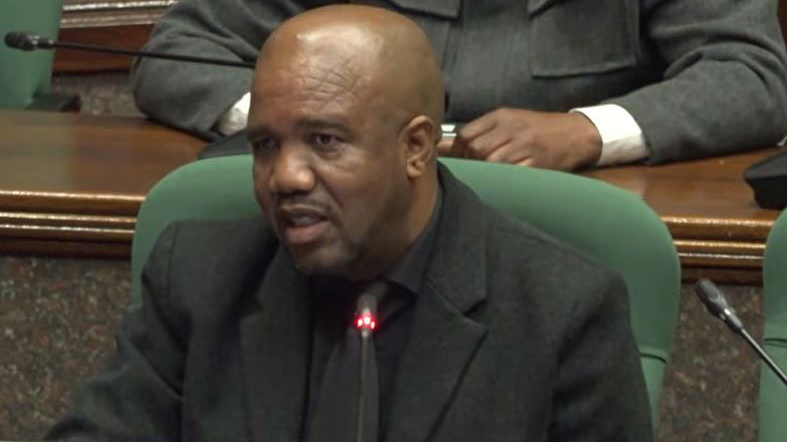
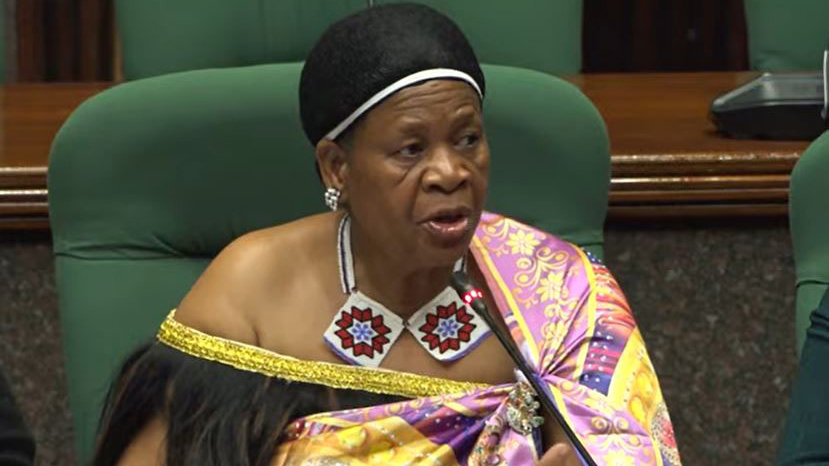
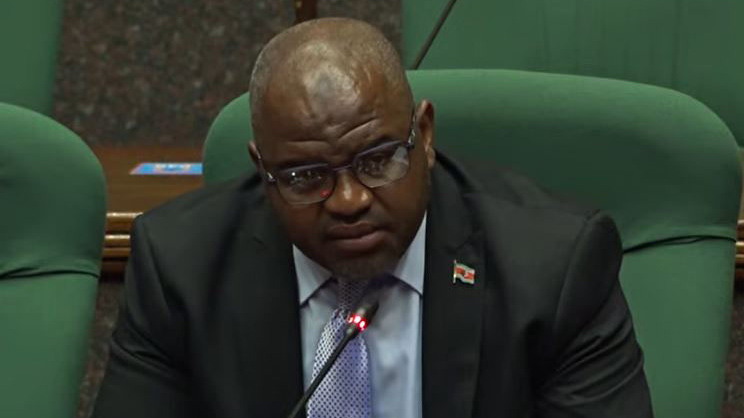
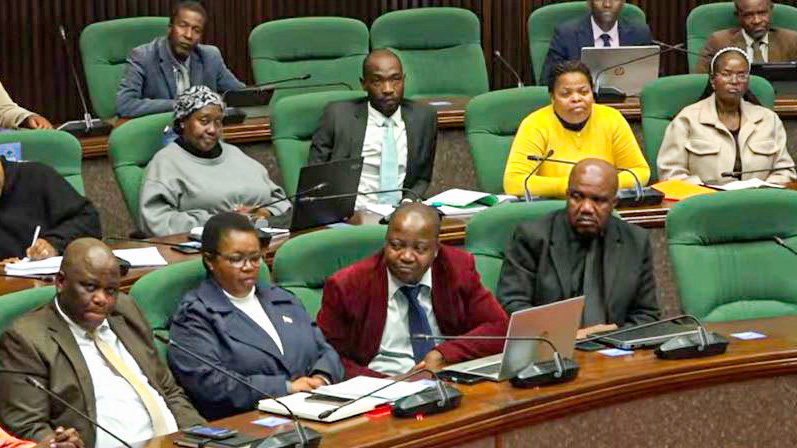
The admission was made yesterday by Principal Secretary (PS) Dr Simon Zwane when the Hlatikhulu Town Board appeared before the Public Accounts Committee (PAC) to account for its operations and respond to concerns raised in the auditor general’s report.
Addressing the committee, Dr Zwane said the ministry uncovered serious governance challenges in 2023, prompting a series of investigations that ultimately led to the appointment of a commission of inquiry.
He explained that after receiving reports suggesting that all was not well at the municipality, the ministry dispatched several teams to assess the situation.
Internal auditors were also assigned to investigate after financial statements revealed a deficit.
Their findings painted a troubling picture, leading the ministry to recommend the establishment of a commission of inquiry.
According to the PS, the commission’s report exposed widespread governance failures, including irregularities in land allocation and the collapse of governance structures within the municipality.
The findings prompted the ministry to refer the matter to law enforcement agencies, including the Anti-Corruption Commission (ACC) and the Royal Eswatini Police Service Fraud Unit, both of which are continuing with their investigations.
Dr Zwane told the committee that the commission produced 77 recommendations, which are now being implemented as part of the ministry’s turnaround strategy for the troubled municipality.
He said one of the key interventions was the appointment of an Interim Chief Executive Officer, Sandla Fakudze, who has been tasked with restoring governance systems, strengthening internal controls and implementing the recommendations contained in the inquiry report.
Dr Zwane further explained that the AG’s audit coincided with the commission of inquiry, while the former chief executive’s contract had already expired. As a result, the municipality’s external auditors did not receive the necessary support from management, contributing to the absence of responses to audit queries.
While outlining the ministry’s interventions, Dr Zwane acknowledged that government itself had failed in its oversight responsibilities.
“The ministry has a role it should have played, but did not play proper oversight over that town over the years because the lack of governance structures happened right before our eyes. We were supposed to have been there. Now we have to start afresh building governance structures. It is a very shameful thing, I must say,” he told the committee.
Responding to questions from PAC Chairperson Madala Mhlanga on how long the governance failures had persisted, Dr Zwane said Hlatikhulu’s decline had unfolded over many years despite its rich history as one of the country’s oldest towns.
He noted that Hlatikhulu had once been considered as a possible capital city but had failed to realise its potential because of years of inadequate attention and investment.
“When I opened my eyes, there were structures, but very few have been added over the years. It appears that we abandoned the town. A town requires continuous monitoring, support and attracting businesses to invest. Very little has happened over the years because we did not give it enough attention. Perhaps we abandoned it for over 15 years,” he said.
Mhlanga also questioned the decision to appoint the interim CEO for only 12 months, arguing that such a limited period appeared insufficient to reverse years of institutional collapse.
Dr Zwane acknowledged that a year was inadequate to fully turn around the municipality but explained that the appointment was guided by legislation governing local authorities.
“It is true that 12 months is not sufficient for a person to bring about a complete turnaround. However, the minister is compelled by law because an interim appointment cannot exceed one year. The appointment of a substantive CEO is the responsibility of the council and part of the interim CEO’s assignment is to facilitate that process,” he explained.
Mhlanga maintained that the Town Board had failed dismally over the years, necessitating intervention by the ministry through the appointment of an interim chief executive.
Nhlambeni MP Manzi Zwane expressed confidence in Fakudze’s ability to lead the recovery process, citing his previous performance at Mankayane Town Board.
However, he questioned whether the interim CEO could realistically implement the recommendations of the commission of inquiry within 12 months.
The MP also sought clarity on whether government expected to recover public funds allegedly lost through financial mismanagement identified during the investigations. Providing an update on progress since assuming Office, interim CEO Sandla Fakudze acknowledged that the municipality had inherited serious governance and financial challenges.
He described Hlatikhulu as one of Eswatini’s oldest towns, with a history dating back to 1924 when it operated as an administrative centre under the District Commissioner’s Offices. Despite its historical significance, he noted that it remained relatively small, covering about 300 hectares with a population of approximately 5 000 residents.
Fakudze admitted that several aspects of the municipality’s administration had gone wrong and apologised for the shortcomings identified in the audit process.
“There was a lot that did not go right and we apologise for that. We have already started addressing some of the challenges, particularly expenditure management.
“We are introducing stronger procurement controls and systems to improve accountability and governance,” he said.
He assured the committee that the municipality had begun implementing reforms aimed at restoring sound financial management, strengthening internal controls and rebuilding public confidence in the administration as it works towards implementing the commission of inquiry’s recommendations.
Meanwhile, during the debate, some of the PAC members asked to know if the councillors who are in Office now have not been implicated in the report. The response given was that some of them have been implicated. It should be noted that some of the queries the AG raised about the town included recurring deficits and net operating deficits due to high operating cots.
In his Compliance Audit Report for the financial year ended March 31, 2024, the AG said he reported that the financial statements of the town revealed a net operating deficit of E3 073 689.
This followed a net operating deficit of E2 653 222 recorded in the previous financial year ended March 31, 2023. The AG raised that the town continued to operate at a deficit due to persistent expenditure exceeding its income.
Over the years, the AG said, the town had consistently demonstrated inadequate financial performance. As at March 31, 2024, the accumulated deficit stood at E3 424 754 compared to E351 065 as at March 31, 2023.
*Full article available on Pressreader*