

MBABANE – Women and girls in Eswatini continue to shoulder the burden of walking long distances to fetch water as climate change threatens rivers, dams and livelihoods.
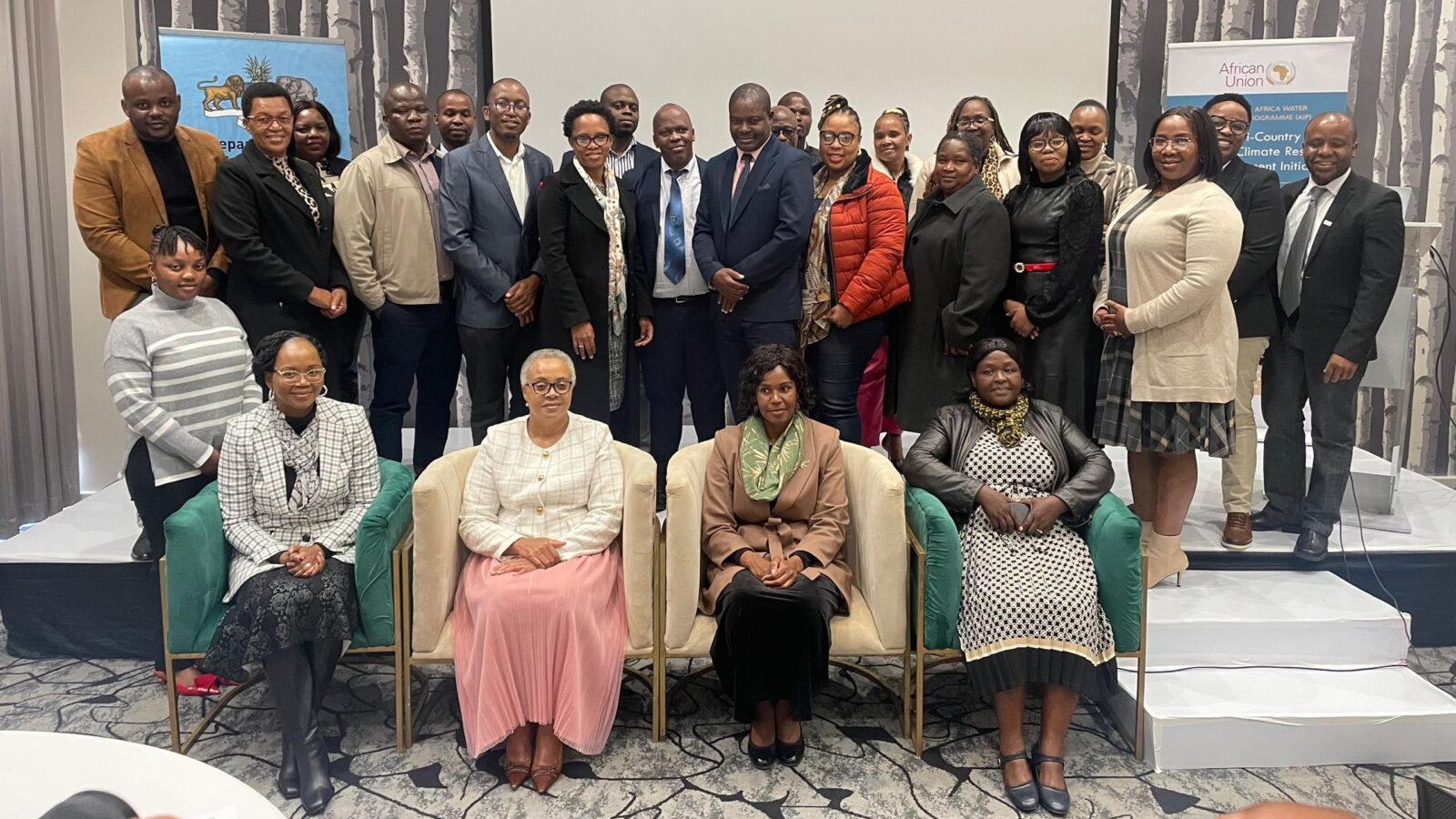
This grim picture was painted by Principal Secretary Lindiwe Mbingo, who delivered the keynote address on behalf of the Minister for Natural Resources and Energy, Prince Lonkhokhela, during the launch of the formulation of the Eswatini Water Investment Plan (EWIP) at the Hilton Garden Inn yesterday. The event aimed at spearheading the formulation of the plan which is proposed to be ready by October 2025. The plan will further be presented at the upcoming G20 Summit, which will be hosted in South Africa.
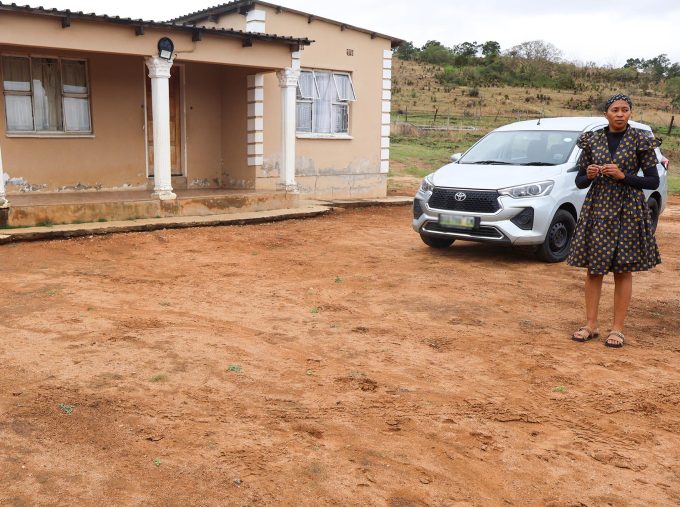
Mbingo said delayed rains, recurring droughts and flash floods have placed immense pressure on water sources, forcing families, particularly women and girls, to travel further to secure water for domestic use. “Eswatini is faced with water scarcity and climate vulnerability. Our rivers are shrinking, our dams are stressed and our communities, especially women and girls, still have to walk each day to fetch water from faraway places,” she said. The EWIP seeks to address the dual challenges of climate-induced water shortages and under-investment in water infrastructure. Government hopes to mobilise more than US$75 million in climate finance by 2030 to roll out projects aimed at improving water access and climate resilience. “Without strategic water planning and investments, we will be helpless against the increasing impacts of climate change, which threaten both our water resources and our economy,” Mbingo added.
The plan aligns with Eswatini’s National Development Plan 2023-2028 and the Water Act of 2003, which amplifies the need to integrate water security into national economic growth strategies. According to studies cited by the ministry, water shortages cost Eswatini up to five per cent of GDP annually through lost harvests and stalled industries.
Mbingo said government is inviting private sector players, development partners and local communities to collaborate in building sustainable water management systems.
“Our investment plan is Eswatini’s shield against scarcity and our passport to prosperity. We must act now,” she said. The launch was attended by senior government officials, water sector experts and representatives of international development organisations.
Full story in today’s paper.
















Leave a comment