

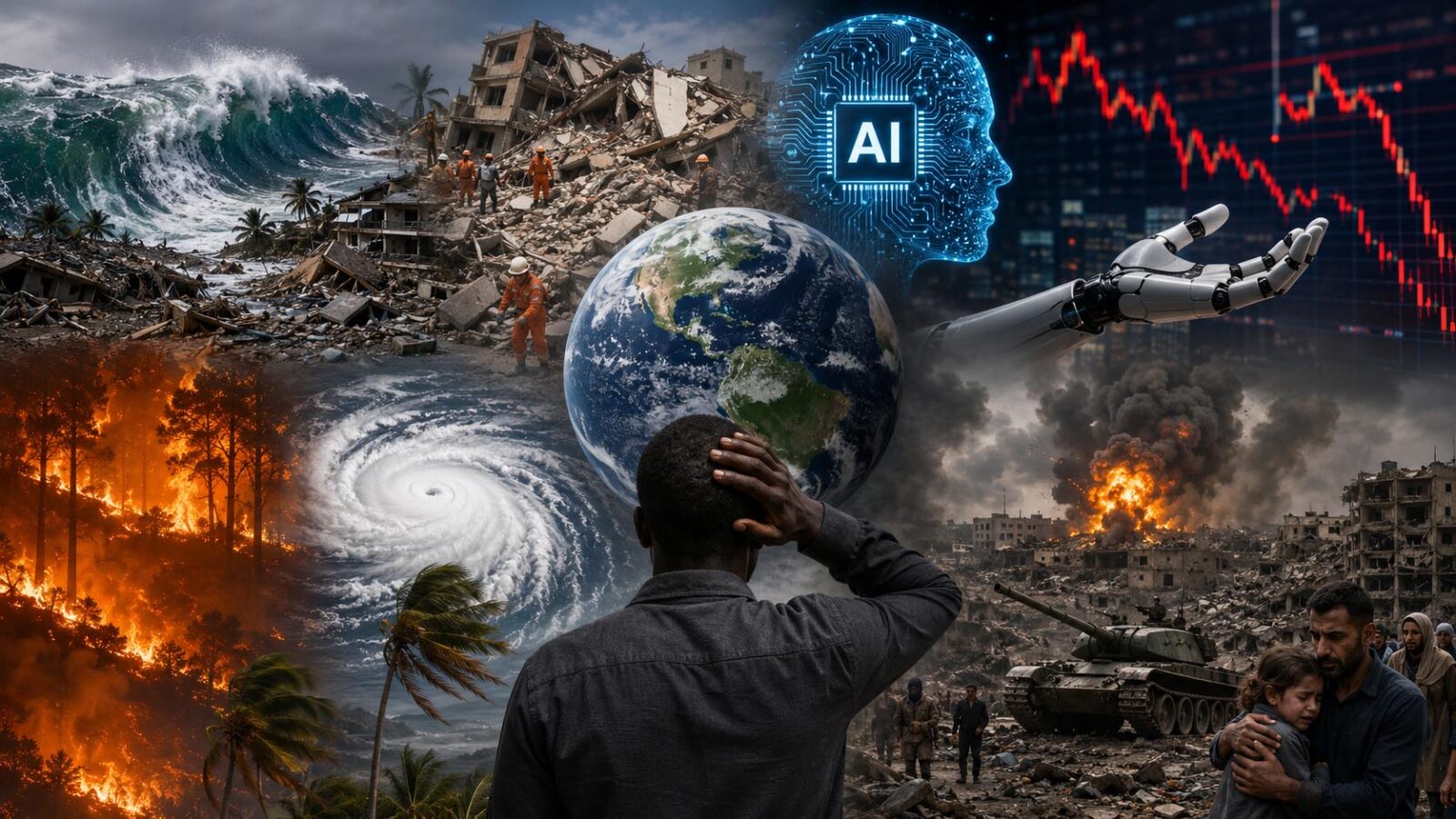
Venezuela and Japan. Then add to those the big hurricanes. The wildfires of France and Spain came out of the blue and into the red. They will generally be viewed as a hybrid; part natural and part man-made through the release of greenhouse gases, causing climate change and longer episodes of extreme fire weather.
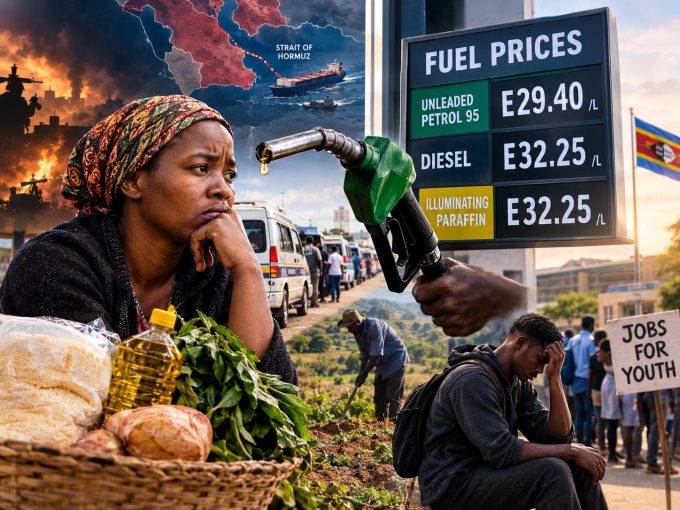
Then you have the fully man-made disasters. It is only 25 years since extensive fatalities from religious extremism culminated in the term ‘9/11’ entering human vocabulary; when 3 000 people in the Twin Towers of New York suffered a terrifying death. We thought trouble was over and then two man-made disasters occurred and, worse still, remained. First came the Russia/Ukraine war in early 2022 and then this year the USA/Iran war. Both disasters affected the whole world; both were entirely avoidable and perfect examples of wild delusional behaviour among leaders, causing thousands of deaths and exacerbating the challenges of the poor. There is currently no end in sight. The Iranians, albeit weaker in a military sense, are not afraid of dying. In their religion, death during warfare means special status in eternity. Quite an incentive when real life is tough.
One wishes that the world was more harshly judgmental of the dreadful political mistakes made by certain politicians. At the same time, one would appreciate a more sustained empathy among those unaffected by disaster. The Venezuelan earthquake of barely six weeks ago caused the death of around 5 500 people, with 16 799 injured and thousands homeless. Even more shocking is that the UN has estimated that more than 50 000 are missing under the rubble and presumed dead by now. That devastating statistic is not a media headline. Similarly, while the wildfires in France and Spain have stabilised a little, the predictions are that due east into the centre of Europe there is a huge risk, as temperatures creep up to 42C. Barely a mention of this in the headlines. When people lose loved ones or their own homes, the damage is life-shattering. Yet there is evidence of a somewhat short-lived empathy at disaster, shown by the rest of society. Perhaps the limited grieving capacity is vital for continued personal peace. Furthermore, there is a compensating global pride generated by the remarkable survival and recovery skills of those directly affected by disaster; never to be forgotten.
The writer regrets the devotion of the entire article to the subject of disaster when there is so much in the world to love and enjoy. But the space available is limited. The successes and improvements will be presented next week; that’s a promise, so please stay with what the football players and managers call ‘the positives’.














Leave a comment