

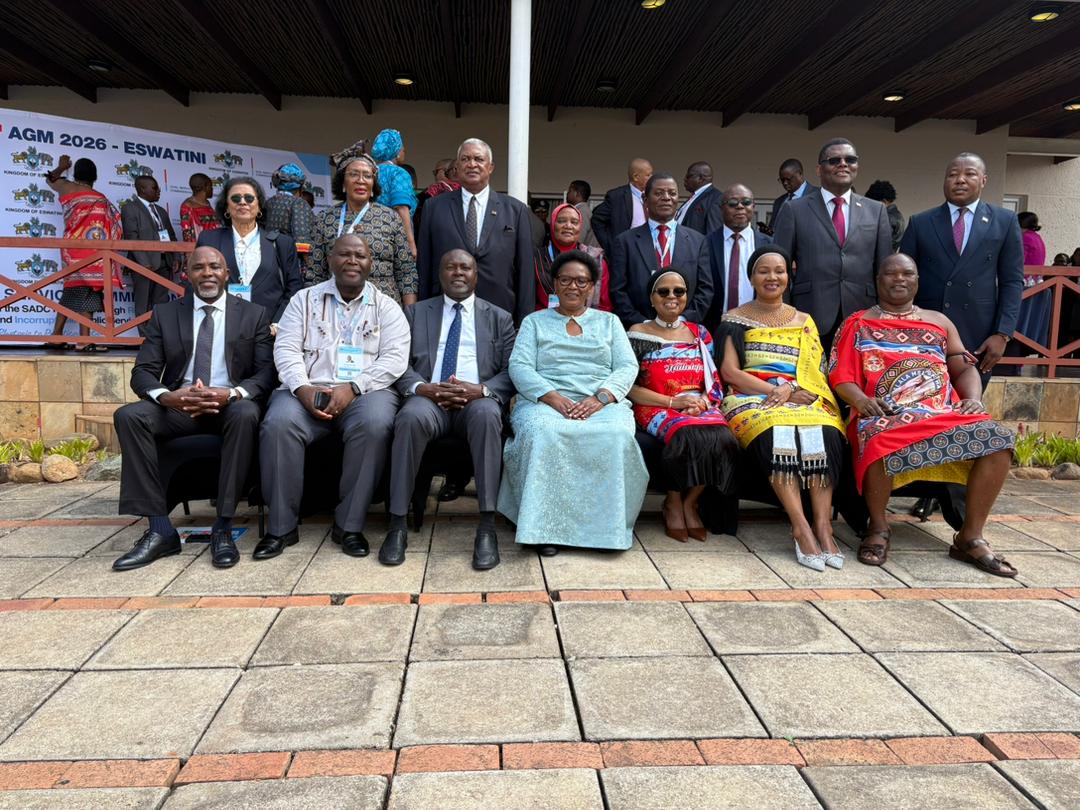
EZULWINI – Deputy Prime Minister Thulisile Dladla has challenged public service commissions across the SADC region to move beyond conferences, declarations and resolutions, warning that the true measure of their effectiveness will be whether they can deliver tangible improvements to citizens’ lives.
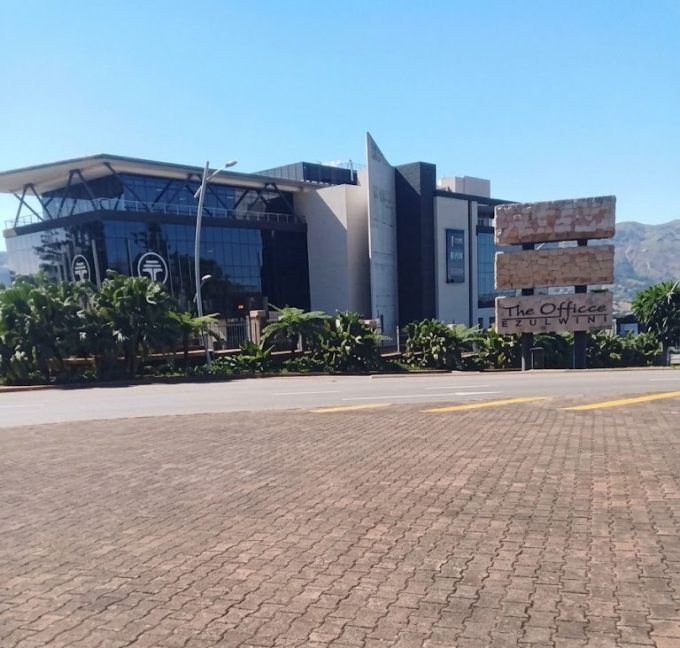
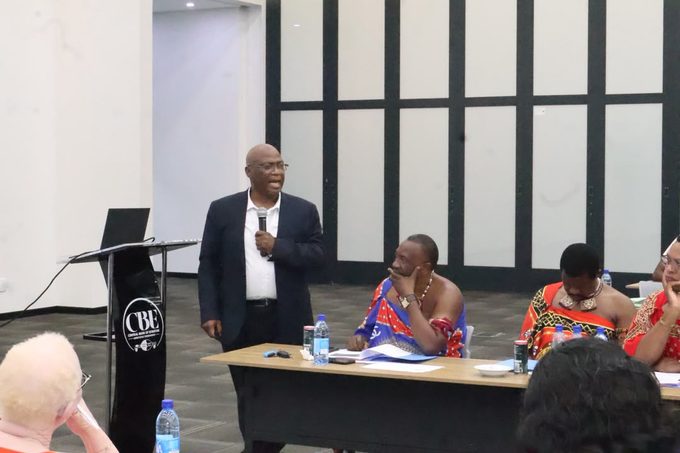
Opening the 3rd Conference and Annual General Meeting of the SADC Public Service Commissions Forum at the Royal Villas Hotel and Conference yesterday, the deputy prime minister delivered a blunt message to public sector leaders: Talk alone will not transform the region.
“If we leave here with only words, we will have failed our citizens. But if we leave here with resolve to uproot corruption, to strengthen institutions, to harmonise our efforts and to deliver tangible change then this forum will stand as a turning point in the history of SADC,” She said.
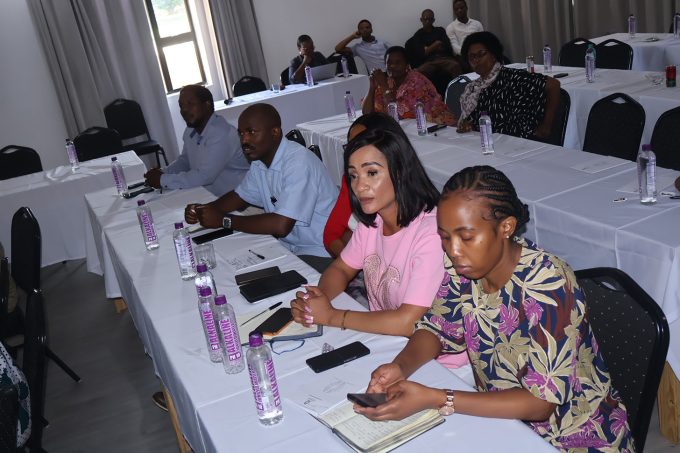
The three-day meeting, held under the theme: ‘Accelerating transformation through resilient, responsive, citizen-centric, innovative, and incorruptible public service institutions’, brings together public service commissions and senior public administration officials from across the region.
The deputy prime minister said the quality of public institutions would ultimately determine whether the ambitious regional development commitments adopted by SADC leaders translated into real benefits for citizens.
She pointed to resolutions from the 46th Ordinary Summit of SADC Heads of State and Government, held in Durban on August 17, including increasing regional agricultural trade, removing non-tariff barriers, harmonising standards, improving cross-border logistics, advancing industrialisation, facilitating seamless travel through the proposed SADC Tourism UNIVISA and accelerating ratification of regional legal instruments.
“These commitments are bold, but they will only succeed if our institutions are capable of translating them into practical action,” she said.
She said public service commissions were central to this process because they were responsible for ensuring that governments had the human capital, integrity and administrative capacity required to implement regional commitments.
The deputy prime minister also placed corruption and accountability at the centre of the transformation agenda, saying the fight against corruption was inseparable from public confidence in government.
She said uprooting corruption, peace and stability were at the heart of His Majesty King Mswati III’s agenda for Eswatini.
“His message is clear: Every Lilangeni must be used for the benefit of our people,” she said.
She stressed that accountability should not be viewed merely as a mechanism for punishing wrongdoing but as a means of rebuilding the relationship between governments and citizens.
“Only through firm accountability can we restore public trust, safeguard public resources and ensure that our institutions serve with integrity and honour,” she said.
The deputy prime minister urged the regional commissions to strengthen cooperation in fighting corruption, promote peer learning and create opportunities for mobility and exchanges between public service institutions.
She further challenged the forum to monitor the implementation of its own resolutions, arguing that regional cooperation would have little value if decisions taken at conferences were not subsequently implemented.
“I urge you to strengthen peer learning across the region; promote mobility and exchange opportunities among commissions and deepen cooperation on integrity and the fight against corruption,” she said.
“Equally, I call on you to monitor the implementation of resolutions, ensuring they are translated into practical national and institutional action.”














Leave a comment