

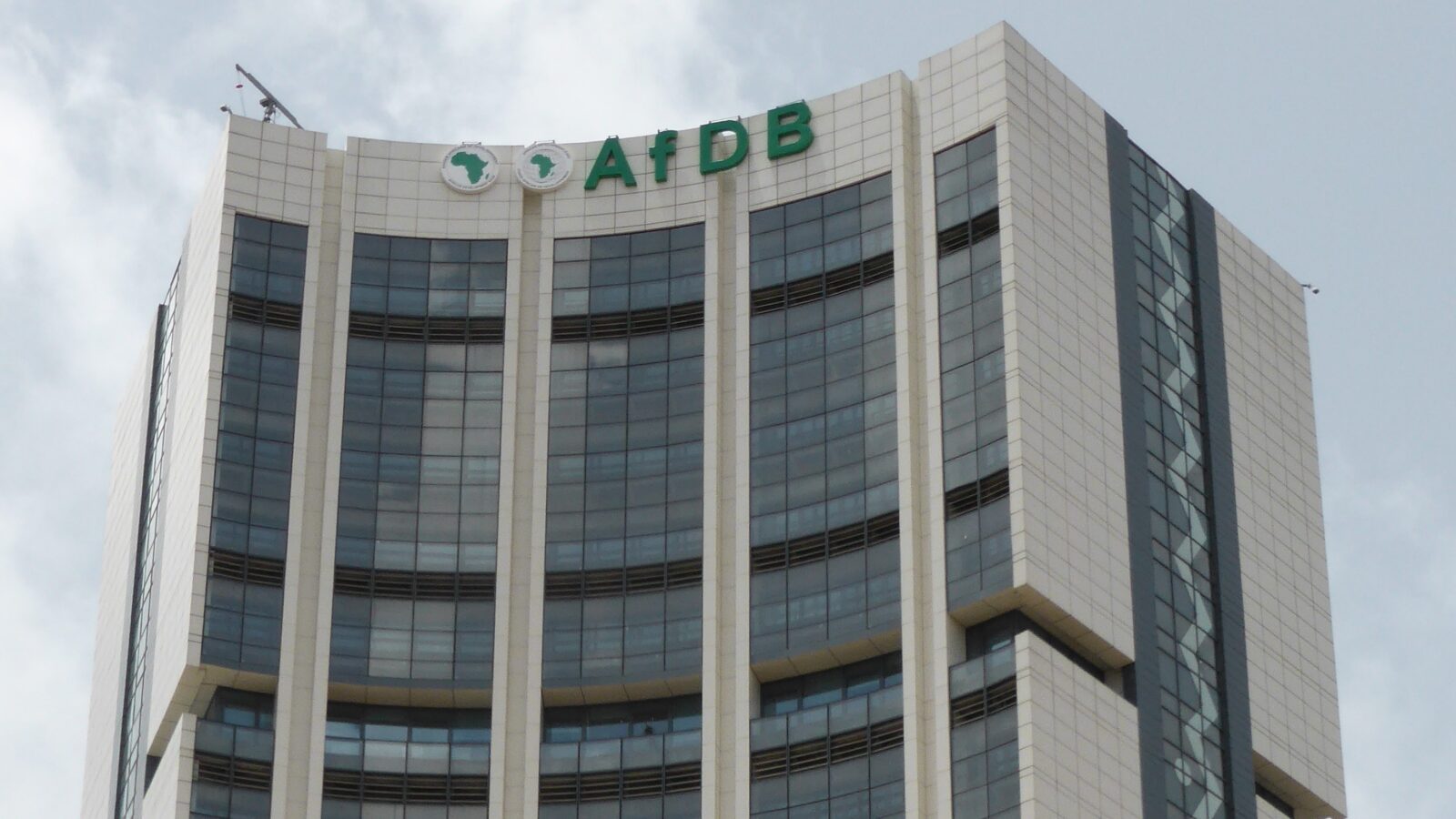
MBABANE – The country has sourced E841.7 million to transform the economy and create about 5 000 jobs as outlined in the national budget.
The loan has been sourced from the African Development Bank (AfDB) and according to the financial institution, it shall assist the country to support government’s efforts to transform the economy, achieve sustainable growth, create jobs, improve service delivery and enhance the livelihoods of its people.
Through a statement released on Friday, July 18, 2025, the bank reported that its Board of Directors has approved a E841.7 million (US$47.5 million) loan to the Kingdom of Eswatini.
It was said the Enhancing Economic Resilience and Competitiveness Programme (EERCP) represents a strategic intervention to support the country’s National Development Plan (2023-2028).
The AfDB reported that the disbursement of the loan marks the first phase of a two-year programme designed to strengthen the economic foundation of the country and foster sustainable growth, economic recovery and sustainable livelihoods for emaSwati, while addressing mounting fiscal pressures from declining Southern African Customs Union (SACU) revenues and economic headwinds.
African Development Bank Deputy Director General for Southern Africa Moono Mupotola said: “This operation comes at a critical juncture for Eswatini as the country navigates challenging economic conditions while implementing ambitious reforms. Our support will help the kingdom build fiscal resilience while creating an enabling environment for private sector-led growth that can generate jobs for young people and women.”
Meanwhile, Finance Minister Neal Rijkenberg said the loan was meant to support the national budget. He said it would assist in achieving all the initiatives government set to achieve in this financial year.
He said this included job creation and settling of debts. According to Rijkenberg’s budget, which mentions jobs five times, there is a quest to create over 5 000 jobs from various initiatives. In the first instance where he introduced jobs, Rijkenberg said: “It is now incumbent on us to continue to put the policies and budgets in place to grow the economy, create jobs, improve service delivery and uplift our people.”
He proceeded to state that if the country does not continue to grow the economy, Eswatini will not be able to create more jobs, provide more services or improve the quality of life.
Rijkenberg said: “The construction of the Johnson Workwear factory shell is on track for completion within six months. Once operational, this facility is expected to create over 2 000 jobs. Additionally, the reconstruction of the previously burnt-down factory shell at Hlatikhulu has been completed, potentially providing employment for 450 individuals. Operations at the Gamula factory shell are set to have commenced in January, while the Ndzevane factory shell has recently been finalised, with an anticipated workforce of slightly over 1 000 employees.”
He also said the development of factory shells at Ngwenya and Pigg’s Peak is being finalised, which are projected to offer employment opportunities for approximately 1 000 and 450 people, respectively.
The minister for Finance said a strategic policy of constructing 10 factory shells annually has been adopted. This initiative is expected to attract investments totalling E1.047 billion and generate approximately 4 000 new employment opportunities each year.
Rijkenberg said the loan would fund these initiatives and bring stability to the national budget such that the administration is capable of funding its daily obligations, as well.
Meanwhile, the AfDB in the statement propagating the approval of the loan said: “Eswatini’s economy faces significant headwinds, with gross domestic product (GDP) growth declining from five per cent in 2023 to an estimated 3.6 per cent in 2024, primarily due to the impact of extreme droughts on agricultural output. The fiscal deficit has widened from 1.5 per cent in 2023 to an estimated 1.7 per cent in 2024, driven by underperformance in customs revenues and increased public spending pressures.”
It was outlined that the country’s youth unemployment reached 48.7 per cent and overall unemployment is at 35.4 per cent, therefore, Eswatini urgently needs structural reforms to unleash the potential of its private sector and create opportunities for its predominantly young population.
The programme focuses on two complementary pillars: Deepening fiscal and public financial management reforms and enhancing competitiveness to promote private sector-led, inclusive and green growth.
More details can be found in today’s paper.

















Leave a comment