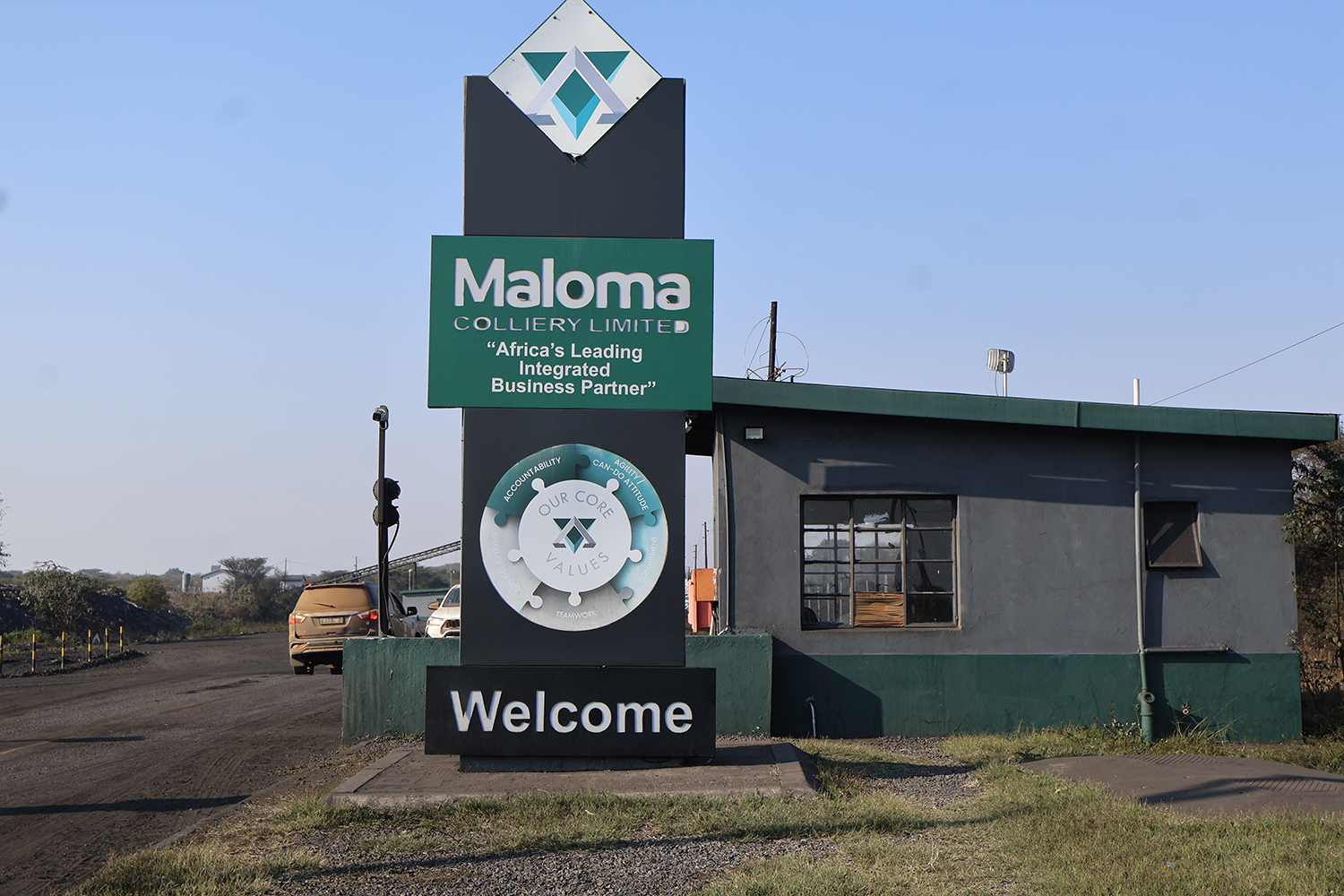
MALOMA – Operations have successfully resumed at Maloma Colliery Limited following a brief work stoppage linked to annual salary negotiations.
Mine management has confirmed that production is back to normal, demonstrating the company’s resilience and unwavering commitment to maintaining stability. Despite facing severe global headwinds, Maloma Colliery has shown remarkable agility in safeguarding its workforce, following the closure of smelters in South Africa last year, resulting in the collapse of most coal mining companies in Eswatini.
Maloma Executive Chairman Michelo Shakantu is said to have embarked on a global quest to look for new markets to avoid the closure of Maloma. The company has established an overseas market, a strategic milestone specifically designed to keep mining operations viable and preserve vital jobs for emaSwati.
Beyond securing employment, the company remains deeply invested in the overall well-being of its workforce.
It is said that Maloma Colliery employees are entitled to a comprehensive variety of benefits that go beyond basic pay, including ration allowances, housing provisions, safety allowances and underground allowances. This robust benefits package highlights the company’s holistic approach to employee welfare.
Regarding the ongoing salary discussions, which have been facilitated through recognised industrial relations structures for nearly two months, it is reported that management has demonstrated genuine flexibility. The company’s initial proposal offered a four per cent increase for 2026 and another four per cent for 2027.
While employees sought an eight per cent increase for both years, management actively listened and improved its offer to five per cent for 2026, maintaining four per cent for 2027. This revised proposal brings the cumulative salary adjustment to nine per cent over the two-year period.
Chief Executive Officer Jabu Shabangu noted that this enhanced offer reflects the company’s willingness to meet employees halfway, carefully calibrated against inflation and the mine’s ongoing financial recovery. “The company improved its offer to demonstrate our willingness to compromise despite the financial pressures facing the business,” Shabangu said. “We considered inflation, prevailing market conditions and the financial position of the mine. Any salary increase has to be sustainable.”
It is said that although the company chairman agreed to make time to meet directly with employees to hear their concerns, a faction of the workforce chose an unlawful path.
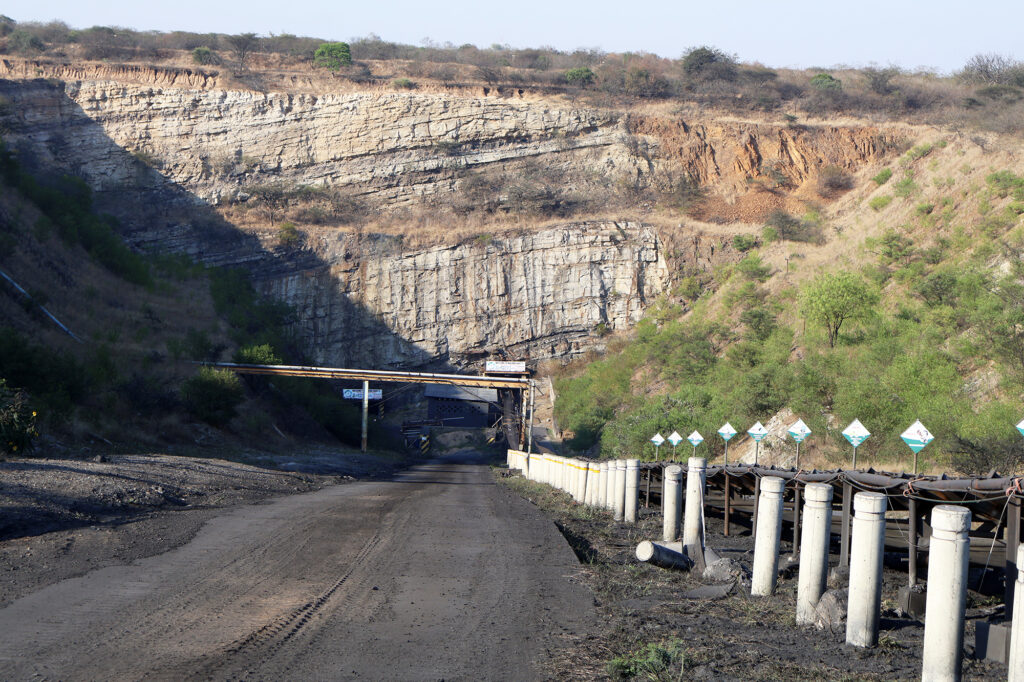
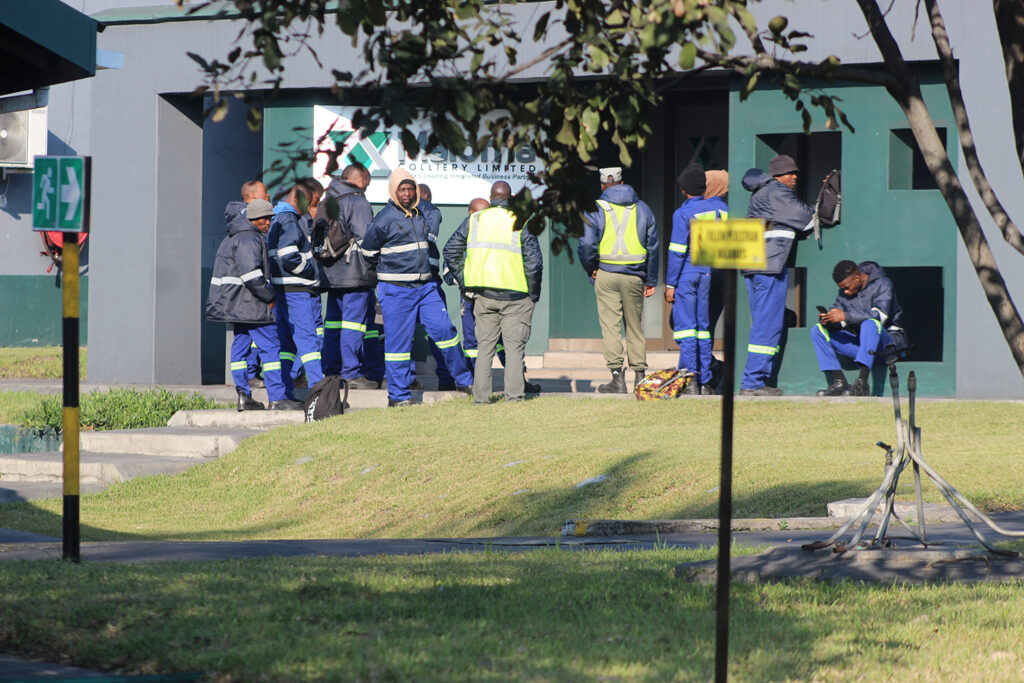
On Thursday, 114 night-shift employees entered Shaft Three at about 6pm, but refused to begin work, remaining underground and insisting they would not depart until their demands were met.
The action constitutes an illegal sit-in inside the mine, violating established safety protocols designed to protect workers, maintain and secure mining operations.
By occupying the shaft, the group created safety risks and management indicated it would review the event to assess impacts on productivity, safety and compliance and to determine next steps under industrial relations frameworks.
It is further said management maintained constant communication with the employees throughout the night, urging them to return to work and reminding them of the proper legal channels available to them. The Industrial Court subsequently declared the work stoppage unlawful, citing the employees’ failure to follow the dispute resolution procedures provided for under the Industrial Relations Act.
The court order highlighted those continued disruptions would expose the mine to severe financial losses, contractual penalties and reputational damage with its key customers. Following the court’s directive, the 114 employees safely emerged from the shaft at approximately 4am, allowing operations to swiftly resume.
To uphold the rule of law and protect the business, the company has identified 47 individuals believed to have played leading roles in organising the unlawful action. The matter has been referred to the Human Resources Department to determine the extent of each employee’s involvement through a fair, due-process-driven review before any disciplinary action is taken.
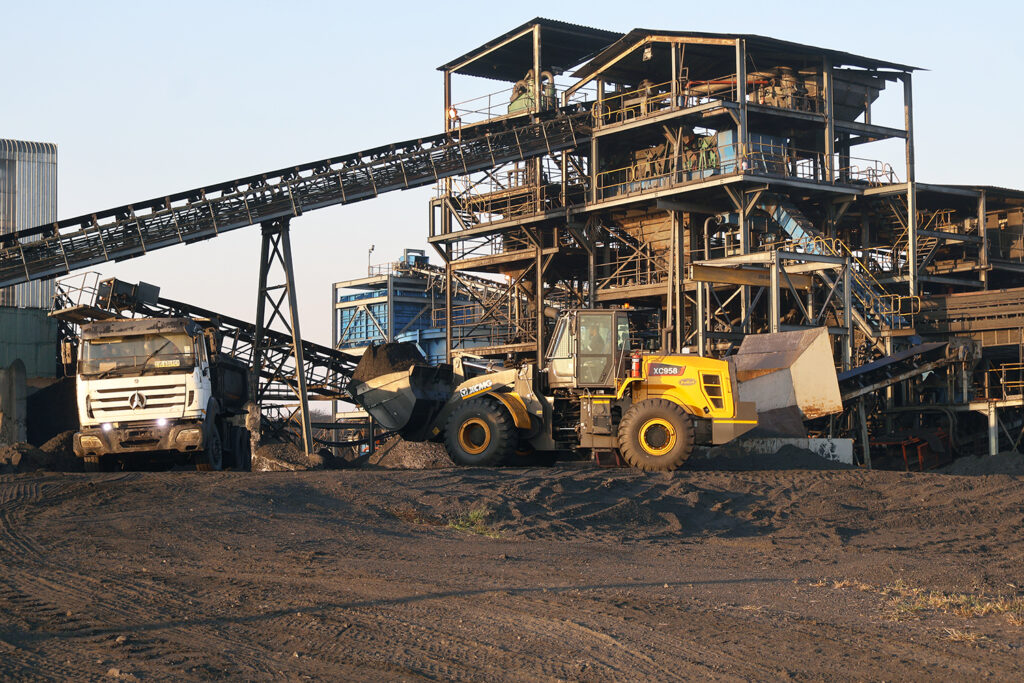
Management’s cautious financial approach is rooted in the harsh economic realities of the recent past. In 2025, a devastating market decline driven by the closure of approximately 14 South African smelters due to soaring electricity tariffs and a proposed chrome ore export tax drastically reduced anthracite demand.
This forced Maloma Colliery into a difficult restructuring phase, which unfortunately resulted in the retrenchment of over 200 workers and the closure of Shaft One.
Today, the remaining 689 livelihoods depend directly on the mine’s continued existence. Shabangu emphasised that prolonged disruptions or unsustainable financial commitments could threaten these remaining jobs.
“The stability of this company is important because it supports 689 employees and their families. We have to ensure the business remains sustainable while balancing employee expectations,” Shabangu said.
The company’s measured approach has resonated with many of the miners. Several employees, speaking on condition of anonymity, expressed their preference for continued dialogue over disruptive action.
“We all want better salaries because the cost of living keeps going up, but stopping production is not the best solution,” one employee noted. “If the company is not operating, it becomes difficult for everyone. We believe management and employees should continue negotiating until they reach common ground.”
Another employee added: “The improved offer showed that management was listening to employees. Negotiations are about compromise. We would rather see both parties remain at the table than have operations disrupted, because at the end of the day, all of us depend on this mine. The company has just started recovering after last year’s challenges and nobody wants to see a repeat of the retrenchments.”
Maloma Colliery is actively bouncing back from the 2025 downturn. Improved market conditions and the strategic pivot to overseas markets have stabilised operations, allowing the mine to carefully manage costs while continuing production.
“We are recovering, the company is going strong and we remain committed to working with our employees through the recognised bargaining structures,” Shabangu concluded. “Our objective is to ensure the long-term sustainability of Maloma Colliery, protect jobs for emaSwati and continue contributing meaningfully to the country’s economy.”