SIPHOFANENI – Claims have emerged that unskilled foreign nationals are taking over simple jobs that could be performed by emaSwati at the Strategic Oil Reserve Facility at Phuzamoya.
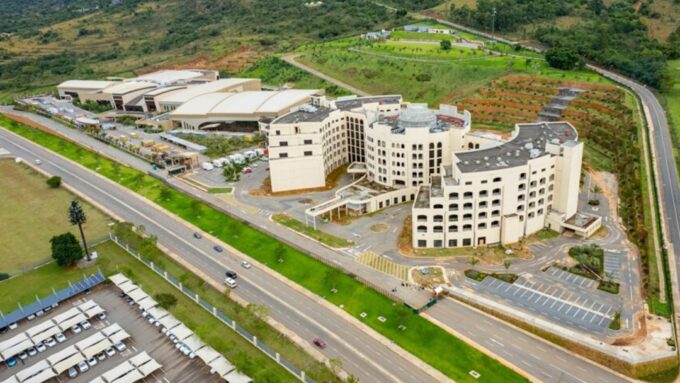
The facility is a E5.2 billion infrastructure project designed to safeguard the nation against fuel shortages and price shocks.
Managed by the Eswatini National Petroleum Company (ENPC), the facility aims to store 80 million litres of fuel, diesel and unleaded petrol, equivalent to approximately 60 days of national consumption.
The tender for the project was awarded to WBHO Construction, one of the largest construction and engineering groups in Southern Africa, founded in 1970. The project is expected to create jobs for emaSwati over the next 30 months.
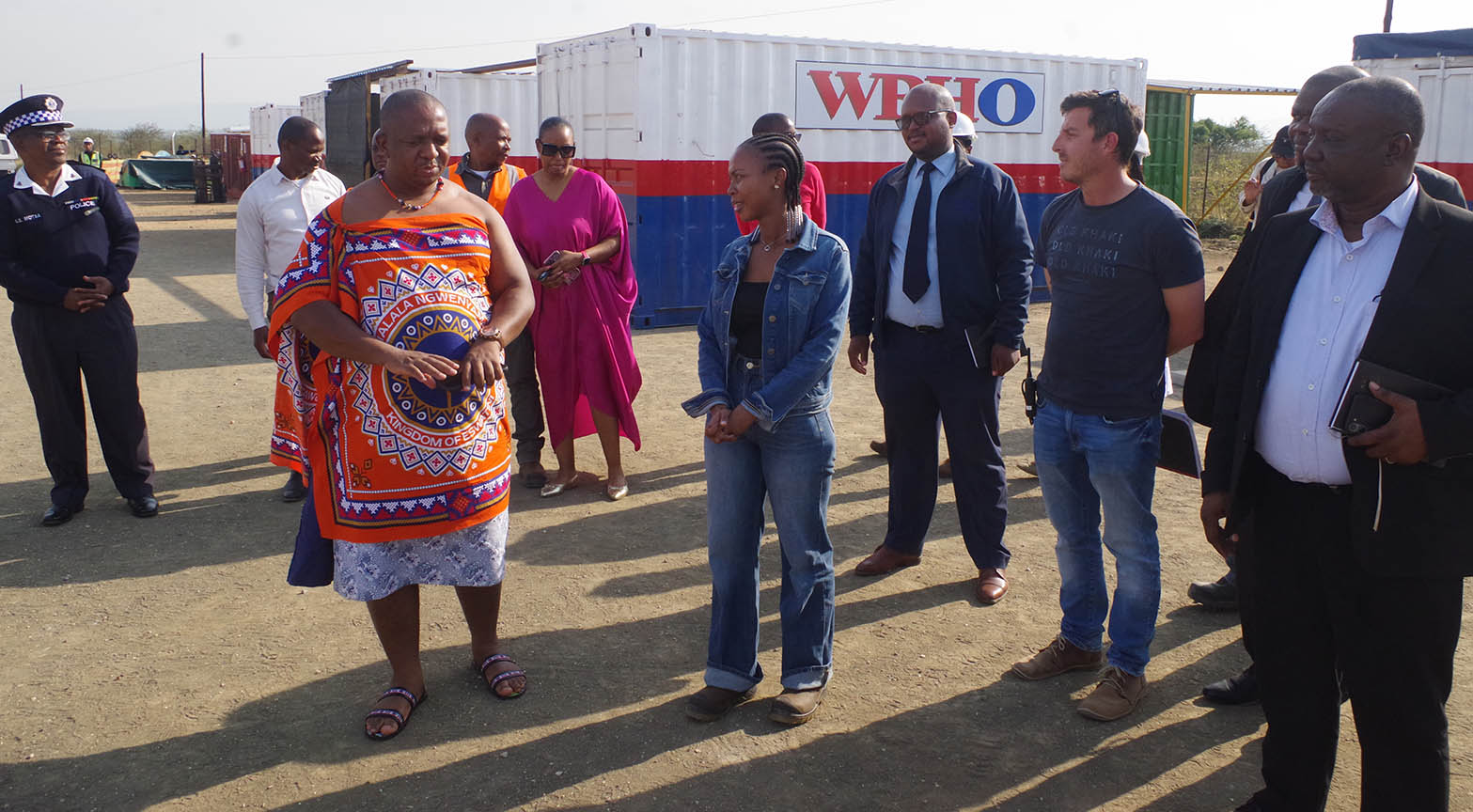
The claims were confirmed by workers in the presence of the Minister for Labour and Social Security, Phila Buthelezi, Principal Secretary Makhosini Mndawe, Chief Immigration Officer Mthokozisi Dlamini and Labour Commissioner Kingdom Mamba.
The senior government officials were also accompanied by inspectors from the Ministry of Labour and Social Security during the surprise visit to the construction site yesterday.
The visit was said to have been aimed to verify allegations that had reached the ministry’s office a few weeks prior.
One such claim was that emaSwati from nearby chiefdoms were being excluded, with general labour jobs being awarded to foreign nationals.
The workers indicated that there are jobs that do not require specialised skills, which they perform alongside foreign nationals at the site.
An employee cited concrete work as an example, stating that they carry out such tasks under the supervision of a foreman without requiring additional expertise.
“We have been working with concrete even before the foreign nationals joined us. They only joined us for manpower; there has been nothing required from them except their physical presence,” they said.
However, the employees said there were about five to six foreign nationals known to them in their departments.
The employee further explained that jobs such as working on scaffolding, directing vehicles and shutter hand work are also simple tasks that do not require skilled labour if overseen by foremen.
They expressed concerns that foreign nationals not only occupy these basic roles but are also suspected of being paid better than local workers.
“We are often told that salary details are confidential, but foreign nationals always wonder how someone can be paid what we are earning when we discuss our daily rates. They ask if we can afford to build homes, buy cattle and marry wives from our wages,” the worker said.
The workers claimed that, based on the information they received, foreign nationals are paid four times more than locals, an hourly rate of E68 compared to E21 and E15 paid to local employees.
Additionally, workers reported that foreign nationals are provided with transport and accommodation, such as rent, whereas locals are left to walk long distances to work and pay their own transport fares.
They also said when the project commenced, they were made to believe that the local imiphakatsi had a memorandum of understanding (MoU) which stipulated that transport would be provided for local employees.
The employee further suggested that the management consider paying them according to the minimum wage provided for in the government gazette.
The allegations surfaced weeks after Natural Resources and Energy Minister Prince Lonkhokhela questioned the level of local participation in the E5.2 billion Strategic Oil Reserve Facility during a site tour led by Prime Minister Russell Mmiso Dlamini.
He sought answers over reports that some work had been awarded to foreign companies despite government’s push to increase local participation in major infrastructure projects.
The project agreement requires at least 30 per cent of the work to be subcontracted to local suppliers and service providers while also creating employment opportunities for emaSwati.
Although some specialised work was reportedly allocated to South African construction firm WBHO because local companies lacked the required capacity, concerns have persisted that jobs and business opportunities that could be undertaken locally are instead going to foreign firms.
During yesterday’s inspection, Labour Minister Phila Buthelezi’s delegation established that the foreign workers at the site, including South Africans, were legally documented and employed.