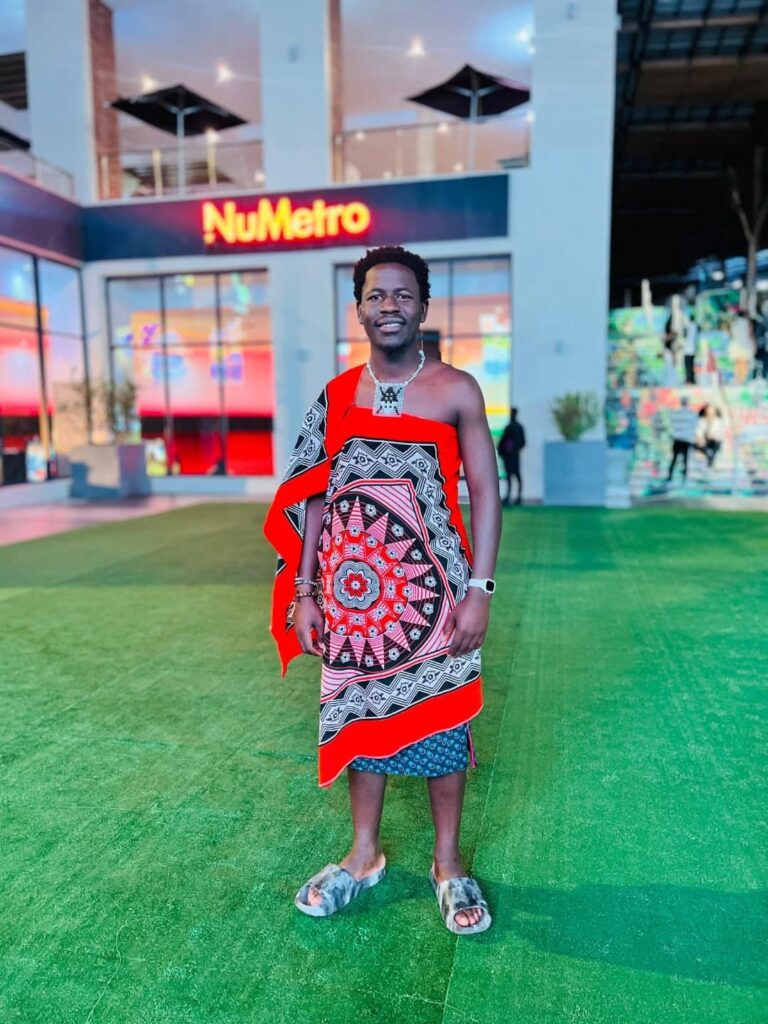
For award-winning filmmaker and storyteller Siphosethu Sibandze, the path to the screen began in the warmth of his grandmother’s kitchen.
Raised by his mother between Mbabane and Manzini, his childhood was a vibrant tapestry of church hymns, radio dramas and late-night storytelling.
“My fondest memories are of gogo’s (grand mother’s) kitchen on Sundays, food on the stove, old cassettes playing and all the cousins trying to outsing each other. That’s where I first learned that stories hold a family together,” Sibandze recalls.
Seeing productions like ‘Tsotsi’, ‘Sgudi ‘Snaysi’ and church dramas made him realise that film could feel like home. However, the true creative spark came after high school. After watching movies, he and his friends would freestyle.
“We used to do church drama and skits after high school. ‘What if we shot this?’ I picked up a phone, filmed it, edited on a cracked laptop and watched.” That single moment of seeing their work on screen hooked him for life.
Growing up in Eswatini, Sibandze noticed a glaring void on the screens. He wanted to see his people portrayed not merely as background characters, but as leads. He envisioned films about the actual lives of local youth: their daily struggles, their culture, students navigating data and dreams, families and legacy.
“The small, everyday Eswatini stories that are funny, messy and full of heart. We have those. We just haven’t filmed them enough,” he explains.
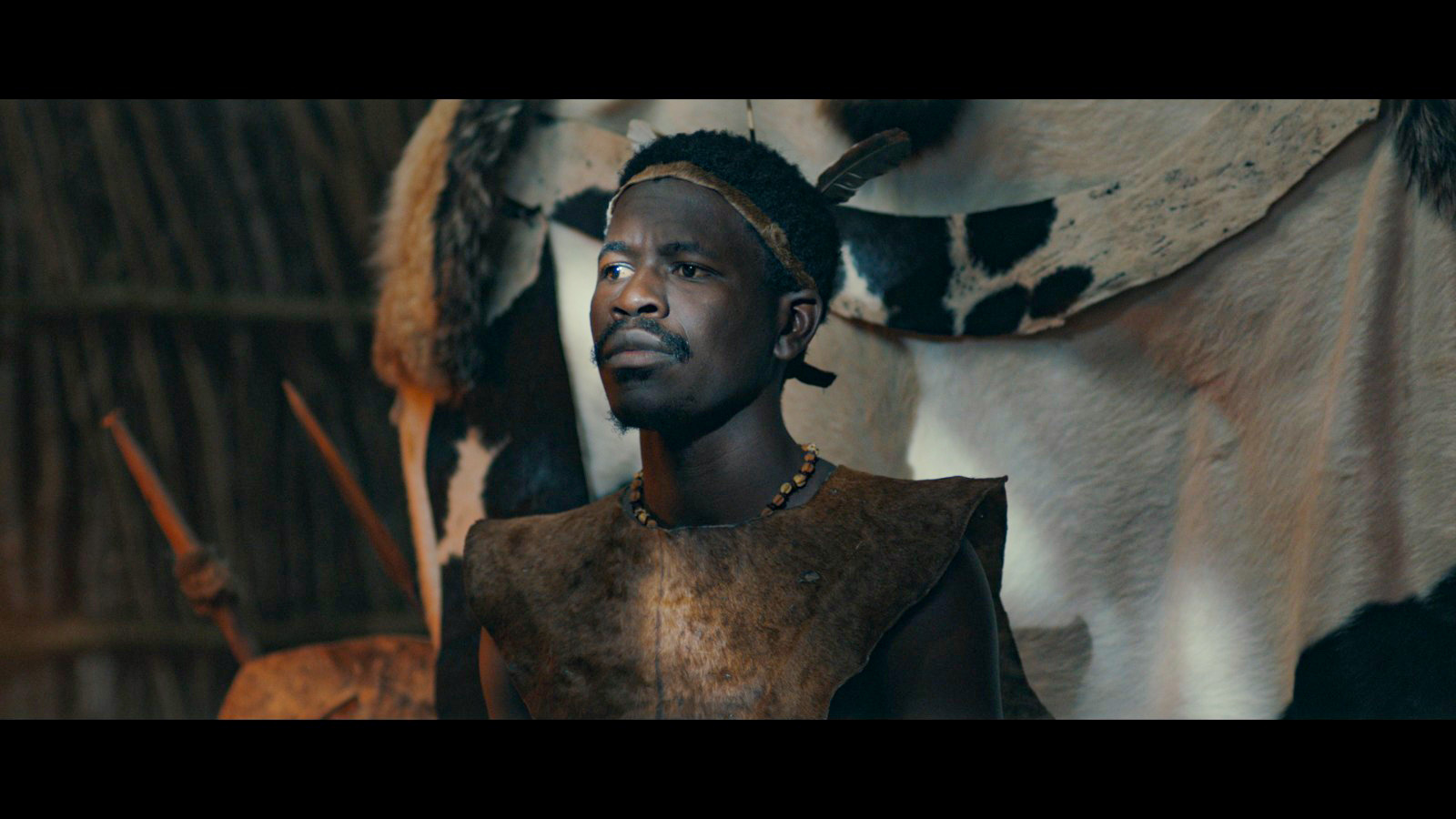
This determination birthed his breakout film, ‘A Dream (Liphupho)’. The project proved that the world would eagerly listen to an authentic Eswatini narrative.
The film has gathered eight international festival screenings, with upcoming selections at the Mpumalanga International Film Festival on August 3 and the Waterloo Film Festival in Durban on October 30.
“I’m most proud because it started with nothing, just a story, a crew that believed, and the belief that our dreams deserve cinema. It proved to me and to other young filmmakers here, that it’s possible,” Sibandze says.


Hard Lessons and Practical Realities
The film industry is a demanding teacher and Sibandze has learned its lessons well. The hardest of these is that passion alone does not pay bills, structural systems do.
He stresses that talent must be paired with business acumen, emphasising the importance of registration, contracts and protecting one’s intellectual property. “The second lesson, finish the film. A good film that’s done beats a perfect film that’s stuck on your hard drive,” he adds.
If he could sum up his cinematic vision in a single image, it would be set at Sibebe Rock during the golden hour. A young producer plays a fresh beat on a speaker while his grandmother sings an old hymn over it, joined by local children. With no dialogue, the scene relies entirely on music, wind and the towering rock. For Sibandze, such a scene proves that the old and new can live in one song.
This duality extends to language. He views both siSwati and English as essential, though they serve different purposes. SiSwati represents emotional truth, humour and prayer, while English governs contracts and distribution.
Honouring Heritage and Looking Ahead
Deeply rooted in Swati culture, Sibandze is guided by kuhlonipha (respect for elders, knowledge and work) and emahubo (traditional songs used to archive history, protest and heal). He wants to shift international perceptions of Africa away from flat narratives of pain or wildlife.
His daily routine is grounded and structured. Mornings are spent with coffee, a notebook and helping in the yard. Afternoons involve studying reference films and coordinating with his crew, followed by evenings of music and movies. He is quick to dispel the common misconception that the industry is solely about glamour.
“It is not just cameras and clout. It is 80 per cent admin, contracts and problem solving. It’s also not expensive to start. Your phone, a story is enough. The industry part comes later,” he reveals.
Over the next five years, Sibandze plans to direct international feature films while continuing to shoot at home. He envisions Eswatini developing a thriving pipeline of training, funding and distribution, with local crews working on global sets.
“I’m not just making films, I’m building an archive for the next generation.”
His cast and crew describe him in three simple words: intentional, calm and talented. When asked what keeps him grounded outside of his work, his answer is immediate: family, food, church and walking through Eswatini without headphones, simply listening to the sounds of home.
For Sibandze, filmmaking is more than a career, it is a mission to ensure that Eswatini stories have a permanent place on the global screen. “If 10 years from now a kid chooses a filmmaking career because they saw my film, that’s the legacy.”