
LOBAMBA – Government, through the Ministry of Commerce, Industry and Trade has been called upon to turn back investors who will pay emaSwati less than E700.
This happened yesterday during the portfolio committee debate of the ministry’s first quarter performance report for the financial year 2026/2027.
During the debate, Minister Manqoba Khumalo was urged to strengthen the vetting of investors seeking to establish operations in Eswatini, particularly in the textile sector, amid growing concerns over low wages, poor labour practices and the emergence of so-called ‘fly-by-night’ companies.
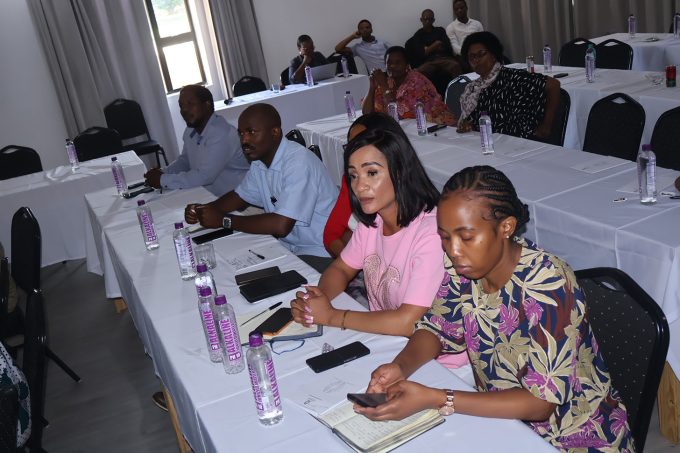
The concerns were raised during the Portfolio Committee on Commerce, Industry and Trade’s debate on the ministry’s first quarter performance report for the 2026/27 financial year.
Kwaluseni MP Sifiso Shongwe questioned the effectiveness of the Eswatini Investment Promotion Authority’s (EIPA) investor screening process, saying some investors repeatedly entered the country under different company names after previous businesses had collapsed.
“We are seeing an increase in fly-by-night investors, particularly in Matsapha. It appears to be the same people who simply change their company names, operate for a while, then close down, leaving emaSwati without jobs,” said Shongwe, who called for more rigorous due diligence before investment licences are granted.
Portfolio Committee Chairperson and Kubuta MP Masiphula Mamba welcomed the ministry’s efforts to attract investment but stressed that the quality of jobs created should take precedence over headline employment figures.
Referring to the planned Taiwan Innovation Industrial Park, which is expected to create about 4 850 jobs, Mamba said the project should deliver sustainable and meaningful employment rather than low-paying jobs that offer little benefit to workers or the country’s economy.
He further proposed that the ministry establish a monitoring and evaluation office dedicated to assessing the impact of textile companies operating in Eswatini, arguing that investors should be measured not only by the number of jobs they create but also by the quality of those jobs and their contribution to national development.
“Stop this cheap labour in Eswatini. Investors come here believing they will find cheap labour. If someone comes here and pays emaSwati E700 or less, those are not investors but thugs. Commerce must do proper due diligence and turn away investors who are not good for the country,” Mamba said.
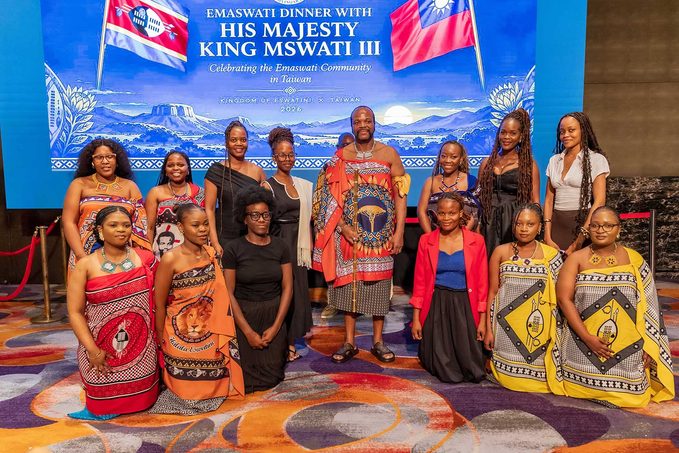
He also questioned whether the jobs expected from the Taiwan Innovation Industrial Park would offer wages that enable employees to support their families and contribute to the tax base.
Mamba further challenged Taiwan to attract higher-quality investors, saying companies should benchmark themselves against major employers such as Kellogg Tolaram, which he described as offering better remuneration and making a stronger contribution to the economy.
He argued that wages below the taxable threshold provided little benefit to workers or government revenue, as employees earning less than E3 000 per month were often unable to access credit or improve their livelihoods.
The MP also criticised the continued reliance on statutory minimum wages, arguing that investors should pay salaries that reflect decent living standards rather than simply complying with the legal minimum. He remarked that some workers employed on illegal cannabis farms reportedly earned more than employees in certain textile factories, describing the situation as unacceptable. Zombodze Emuva MP Ntando Mkhonta sought clarity on when the regulations would come into force and whether the Liquor Board had been appointed.
He said prospective and existing operators required certainty on how to comply with the law.
Mkhonta further raised concerns over the quality of alcoholic beverages being sold in the country, saying consumers had complained that some wholesalers were distributing counterfeit or substandard products.
He questioned whether the relevant authorities were adequately monitoring product standards and ensuring only genuine beverages reached the market.