
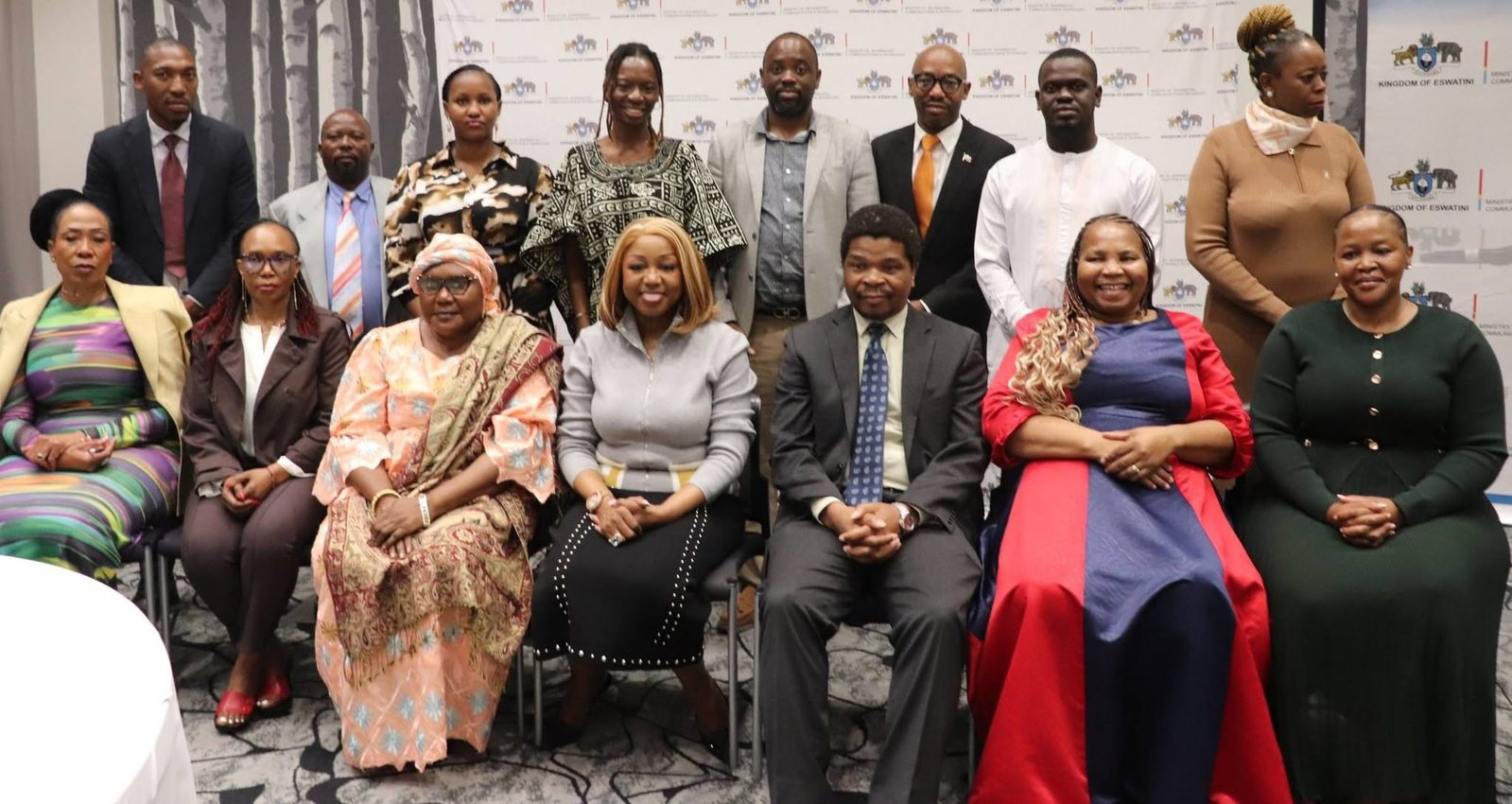
MBABANE- Government wants gender impact assessments built into digital policies and programmes before they are implemented to prevent women and girls from being left behind.
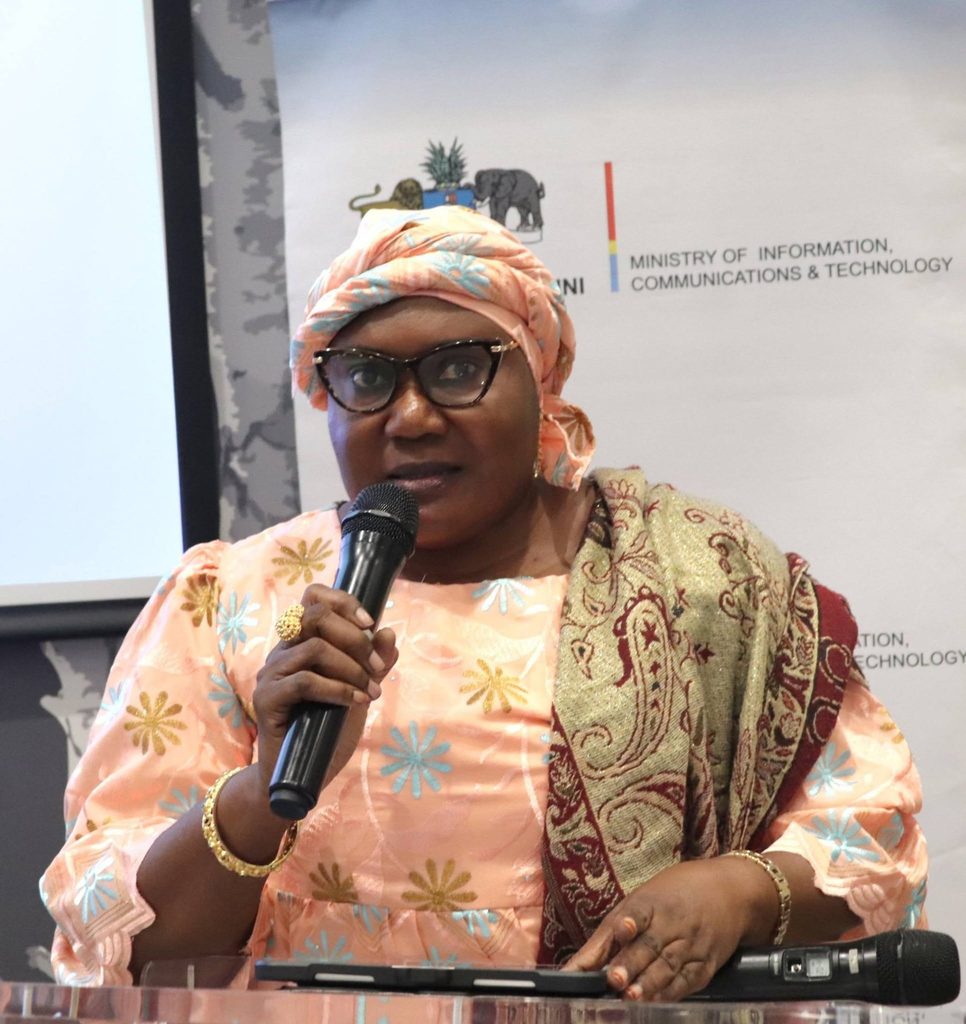
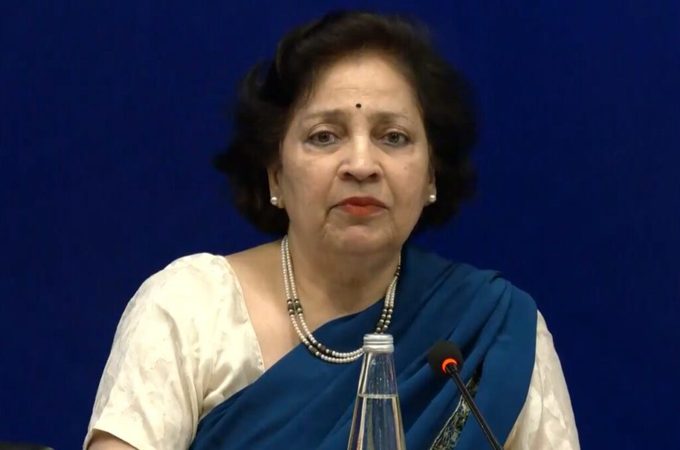
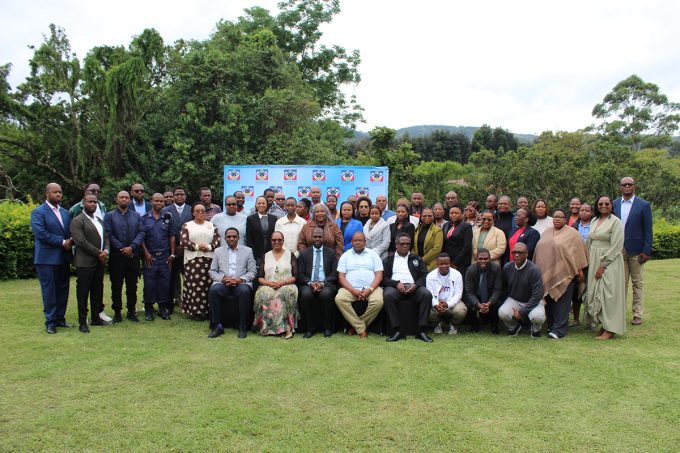
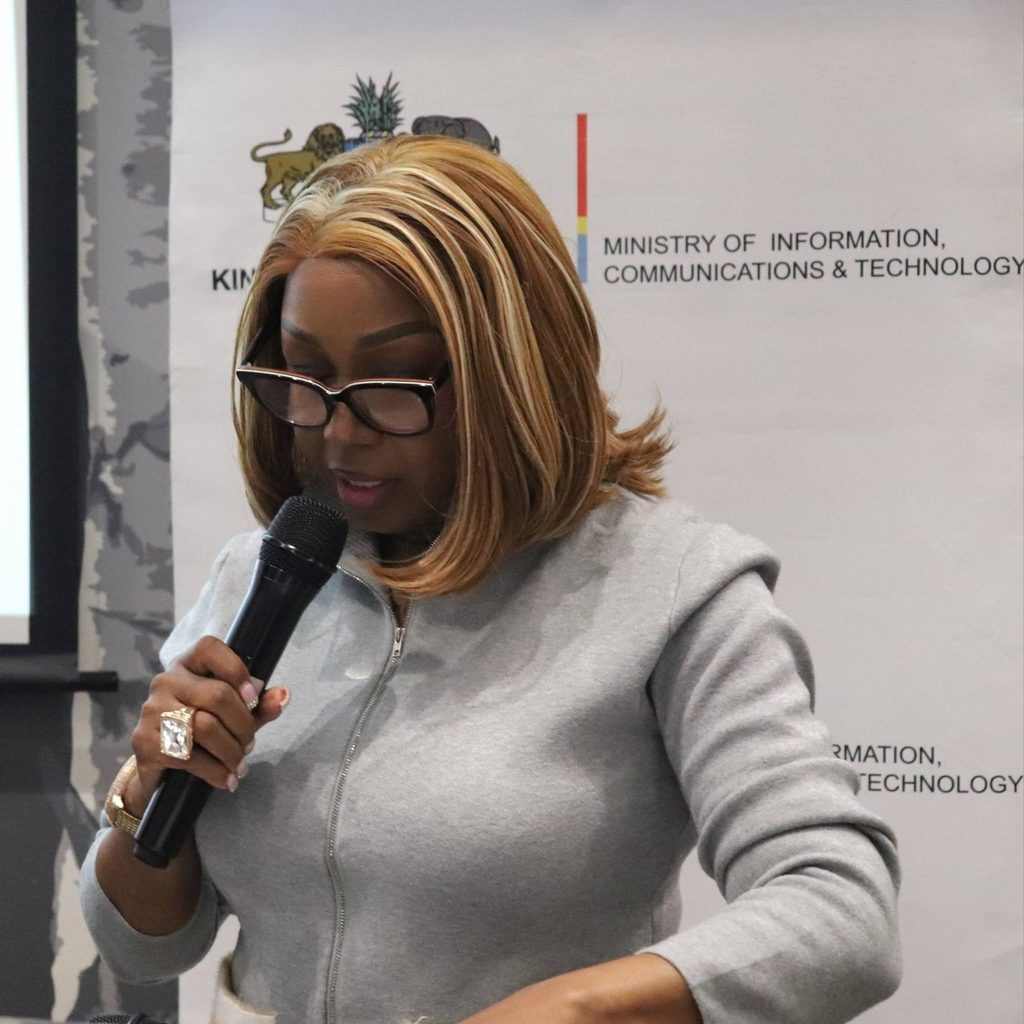
Minister for Information, Communications and Technology Savannah Maziya said this during the opening of the Gender Impact Assessment (GIA) Co-Creation Workshop at the Hilton Garden Inn in Mbabane.
Maziya said digital transformation was changing how people accessed information, education, employment, financial services and government services, but women and girls could face different barriers to accessing and benefiting from these opportunities. She said inclusion could not be treated as an afterthought as Eswatini accelerated its Digital Eswatini programme. She said women, men, rural communities, young women and persons with disabilities could experience different barriers to digital access, affordability, skills, participation in STEM, entrepreneurship, leadership and online safety.
The minister said government needed evidence to determine whether its interventions were closing existing gaps or unintentionally reinforcing them. Maziya said the workshop was therefore intended to move gender equality from a policy commitment into institutional practice and measurable results.
Three tools are being considered through the initiative; the Gender Impact Assessment Tool, Gender Monitoring Tool and Gender Audit Tool. She said the tools would help embed gender considerations into digital policies, programmes, monitoring and institutional accountability.
The Gender Impact Assessment Tool is intended to assess the potential gender effects of digital policies and programmes before they are implemented. The Gender Monitoring Tool will support the tracking of gender-related indicators, while the Gender Audit Tool will assess institutional practices and accountability.
Maziya said Eswatini was the first Smart Africa member state to request support to pilot the tools. The tools are being co-developed by Eswatini and The Gambia, with support from Smart Africa and the Norwegian Agency for Development Cooperation (NORAD). “This is not the application of a continental framework unchanged. It is genuine co-creation, in which our two countries and Smart Africa shape the tools together,” she said.
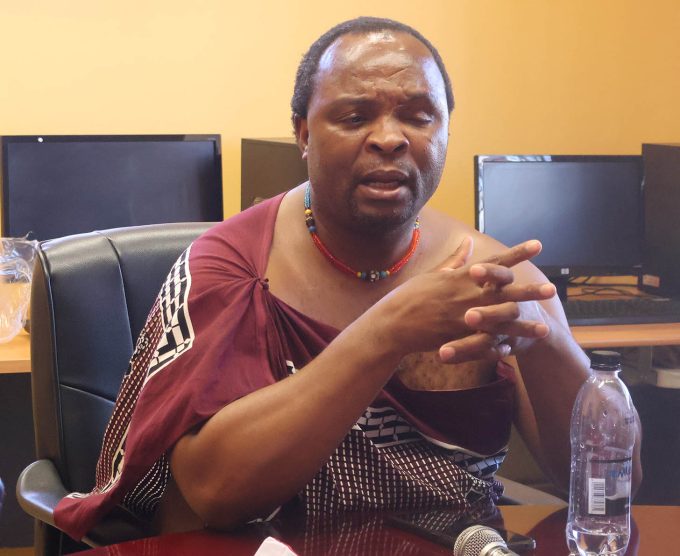
Head of the Gambian delegation and Principal Assistant Secretary in the Ministry of Communications and Digital Economy, Awa Senghore, said digital transformation risked entrenching existing inequalities if gender responsiveness was not incorporated into decision-making.
She said The Gambia had already incorporated gender considerations into its ICT policies, including its National ICT for Development Policy Statement 2018–2028. Senghore said the policy identified the empowerment of youth and women through ICT as a strategic pillar.
She said the country’s Digital Economy Master Plan 2024–2034 also included digital inclusion, with targets around female digital literacy, women-led technology enterprises and connectivity.
Senghore said The Gambia wanted the three tools to become practical governance mechanisms rather than documents that remained on shelves. She said the GIA tool should allow governments to screen digital sector policies, investment projects and legislative bills before approval.
The monitoring tool, she said, should support the collection of sex and intersectionally disaggregated data, while the audit tool should assess institutional readiness, workplace culture, leadership representation and procurement equity.
Maziya said Eswatini’s existing initiatives, including the STEM Future Pioneers Mentorship Programme and the She Powers Africa partnership, demonstrated the country’s commitment to increasing women’s participation in technology. She said Eswatini had also been selected as the African pilot country for the She Powers Africa Digital Academy in 2026.
The minister said lessons from Eswatini and The Gambia could eventually strengthen a wider Smart Africa regional toolkit and provide other member states with tools that could be adapted to their own circumstances.