There are some truths we prefer to whisper in Eswatini, until an outsider says them loudly enough for everyone to hear. The latest warning from the International Monetary Fund (IMF) about the financial troubles at the Eswatini Electricity Company (EEC) is one of them.
The IMF has essentially told us something taxpayers have every right to worry about: If EEC’s financial position continues to deteriorate, government could eventually be called upon to provide subsidies, guarantees, transfers or even a recapitalisation. In plain language, the taxpayer could end up picking up the bill.
Now, before anyone accuses me of attacking EEC, let us be fair. EEC is facing genuine pressures. Its 2025 annual report shows an operating loss of E247 million and a net loss of E80 million. The company says the cost of imported electricity rose sharply, with power purchases and wheeling charges accounting for 72 per cent of its cost of sales. Regional drought and electricity supply constraints also made it more difficult to source cheaper power.
Fine. We understand. But here is where I become uncomfortable and the question becomes: How many times must the same emaSwati pay for the same problem?
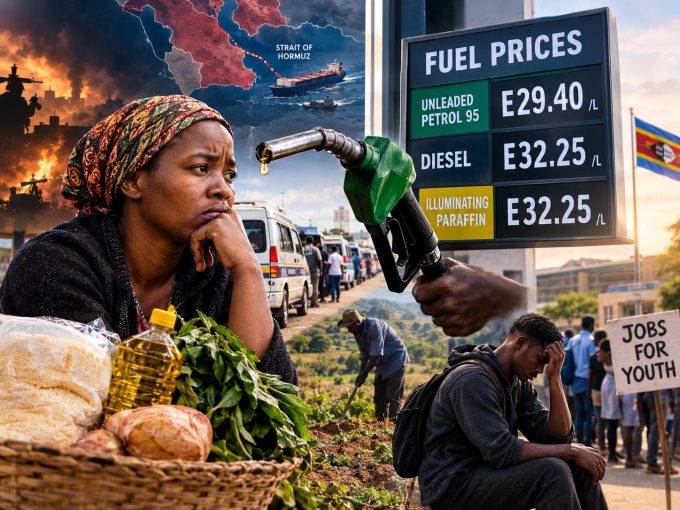
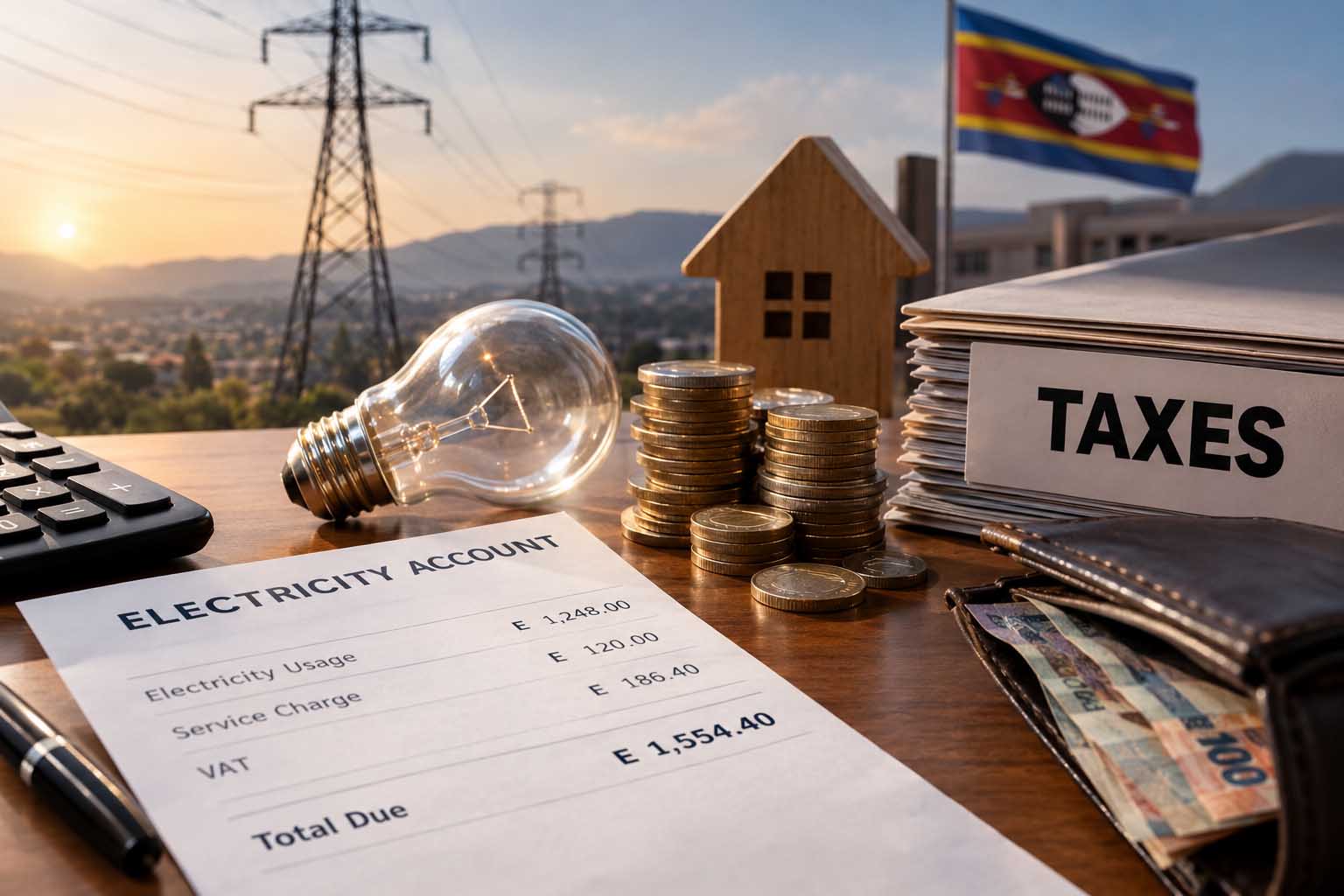
We are already paying for electricity. In fact, many households are struggling to afford it. The cost of living is not exactly waiting for salaries to catch up. Food, transport, school fees, healthcare and electricity cost money. Everything seems to have its hand in the taxpayer’s pocket.
Now we are being told that if EEC’s financial problems worsen, government may have to step in.
But let us get real; who is government? It is us. The taxpayer. So, the person struggling to pay an electricity bill could eventually be expected to pay again through taxes to keep the electricity company afloat.
Pay once at the meter and pay again at the Treasury. Surely, something is wrong with that picture.
And this is where the country’s economic growth figures become important.
Eswatini’s economy grew by 4.8 per cent in 2025, up from three per cent in 2024. The IMF projects growth of around four per cent in 2026, although the World Bank puts the 2026 projection at 3.8 per cent.
That is good and it deserves to be celebrated. But growth must mean more than producing impressive numbers in an economic report. It must strengthen government’s ability to provide services, create jobs, invest in infrastructure and, importantly, withstand financial shocks.
It cannot mean that because GDP is growing, we suddenly have permission to borrow more money and rescue every struggling parastatal. Our debt position should keep us awake.
The IMF’s latest warning puts public debt at close to 45 per cent of GDP by the end of the 2025/26 financial year, with debt projected to remain elevated. The World Bank similarly reports that government debt had risen to about 44 per cent of GDP.
That is not a number we should panic about, but neither is it a number we should casually ignore.
After all, GDP is not money sitting in government’s bank account. GDP is the value of economic activity in the country. Government still has to collect revenue from that economy before it can spend. And when government borrows, somebody eventually has to repay the money.
That somebody is the taxpayer.
This is why the EEC debate should be bigger than another discussion about tariffs. If electricity tariffs are kept lower to protect households from the full cost of electricity, somebody must absorb the difference. If EEC absorbs it, its finances deteriorate. If government absorbs it, taxpayers carry the burden. If EEC borrows to cover it, the problem is simply pushed further down the road. There is no magic money tree hiding behind the power lines.
The IMF has also warned that Eswatini needs public enterprise reforms, stronger public financial management and limits on transfers to State-owned enterprises. That is the part we should take seriously.
Government should not wait until a parastatal is on its knees before asking difficult questions. What went wrong? What can be fixed? What must change? How much can consumers reasonably afford? How much can EEC realistically recover through tariffs? And how much can the taxpayer afford before the national purse itself becomes the next casualty?
We need electricity. We need EEC. We need investment in the energy sector.
But we also need discipline. A government guarantee, loan or bailout is not free money.
They are simply different ways of moving the bill from one pocket to another. And the pocket at the end of the queue belongs to the taxpayer.
So, yes, let us support EEC where support is genuinely necessary. Let us recognise the external pressures it has faced. But let us also demand a proper recovery plan, transparency, financial discipline and measurable accountability.
And we do not have to reinvent the wheel. Other SADC countries are restructuring troubled State-owned enterprises through tighter governance, performance targets, audits, cost controls and private-sector participation. Eswatini can learn from these efforts. EEC needs to go back to the drawing board, identify where the leakages are, rebuild its financial cushion and set clear targets for becoming self-sustaining. Rescue money should not become a permanent business model. It is no longer about learning. Implement!
The taxpayer is not a bottomless wallet.