MANZINI – The Ministry of Education and Training needs to review its school uniform policy to determine whether female pupils should be allowed to wear trousers.
Minister for Education and Training Owen Nxumalo has indicated, amid concerns, that the restriction could contradict constitutional provisions relating to individual clothing choices.
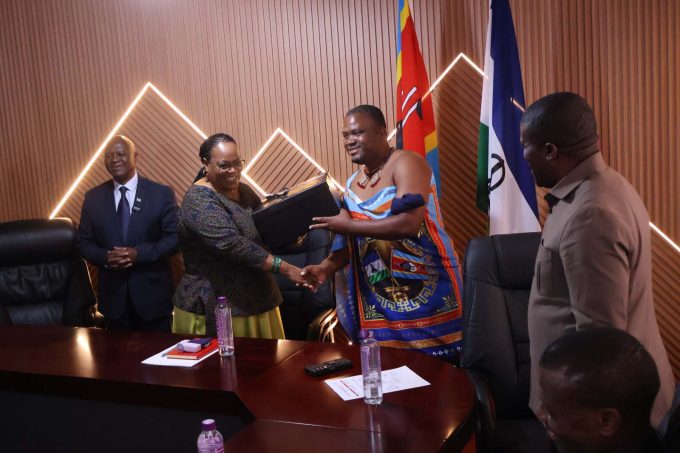
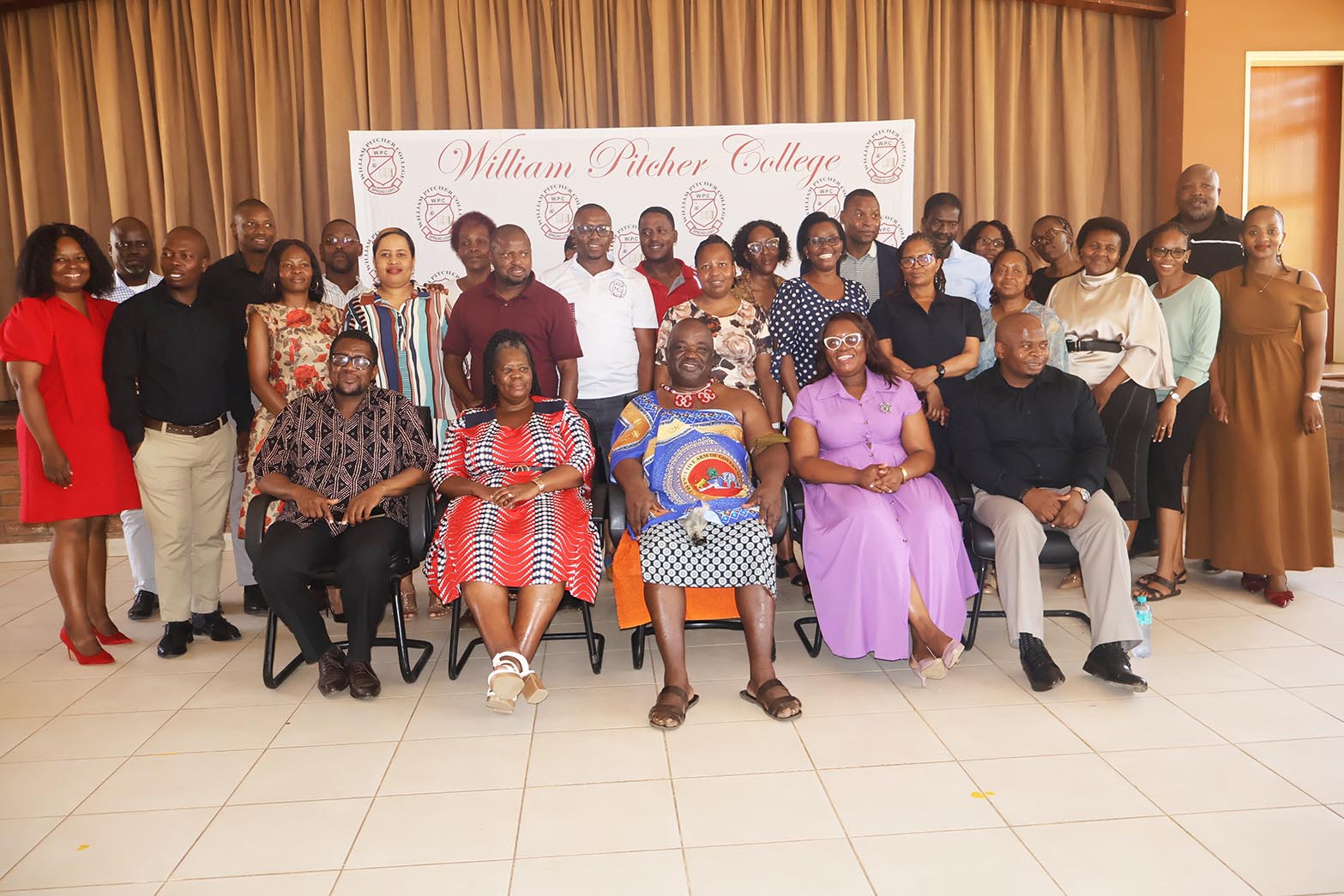
Nxumalo made the remarks at William Pitcher College yesterday while touring the institution, meeting with the school management and engaging the students’ representative council (SRC) on challenges affecting the college.
The debate centres on whether female pupils should be allowed to wear trousers as part of their regular school uniform, with questions being raised about constitutional rights, cultural expectations and the practical needs of learners.
The argument that the restriction could conflict with constitutional rights has added another dimension to the debate, particularly regarding whether female pupils should have the freedom to choose suitable clothing within the school environment.
The issue has also been discussed with Members of Parliament (MPs), some of whom supported maintaining the existing policy, arguing that schools should continue implementing it until government formally approves any changes.
The ministry’s Principal Secretary, Nanikie Mnisi, recently sought guidance from MPs on whether the policy introduced in 2017 should be reviewed or maintained in its current form.
She raised the matter during the second day of the legislators’ three-day retreat at Sibebe Resort on October 14. Mnisi acknowledged that emaSwati enjoy constitutional rights, including freedom of expression, but maintained that these rights should be exercised responsibly and in a manner that respected the country’s traditions and way of life.
Mnisi clarified that the restriction was not her personal position, but a government policy approved by Cabinet in 2017 following consultations with education stakeholders. She said the ministry needs guidance from Parliament before determining whether the policy should be amended.
Some MPs backed her position, arguing that the ministry was implementing an existing government policy and that any changes required formal approval. They also maintained that individual schools could not independently introduce alternative uniform arrangements while the policy remained in force.
The debate centres on Circular No. 10 of 2017, which was introduced to address the rising cost of education by requiring schools to maintain one basic uniform for everyday wear.
Under the existing arrangements, female pupils are expected to wear skirts or tunics on ordinary school days, while tracksuits are permitted on sports days. Mnisi has also warned head teachers against introducing trousers as part of the regular school uniform without following the prescribed procedures.
However, the policy continues to attract differing views among education stakeholders and members of the public, particularly regarding the suitability of skirts during cold weather and whether girls should have alternative clothing options.
The issue gained further prominence in September after Duze High School attracted attention on social media for introducing trousers for female pupils.
Beyond the uniform policy, Nxumalo also addressed the challenges facing William Pitcher College, including student protests that resulted in the institution being closed.
Nxumalo urged students to resolve their grievances through dialogue rather than protests, saying his office was available to assist with challenges that could not be resolved by the college administration.
The protests reportedly included a strike over delayed government allowances, during which students blocked the road in front of the college.
During his engagement with the SRC, the minister encouraged student representatives to approach the Ministry of Education and Training when faced with challenges requiring intervention beyond the authority of college management.
He specifically pointed to scholarships and allowances as matters handled at ministry level, explaining that college management might not always have the authority to resolve such concerns.
Nxumalo said his office was willing to intervene and help find solutions rather than have students resort to protests.
He also reminded the SRC of its responsibility to represent students while helping maintain order and ensuring that grievances were raised through appropriate channels.
The minister disclosed that he had been tasked with addressing the matter and establishing the circumstances that led to the protests. This included identifying those responsible, amid calls for the students considered to have led the protests to face suspension.
However, Nxumalo said he had opted to engage the students first because he believed dialogue was an appropriate way to resolve disputes.
He indicated that he would set aside a day to address the entire student body on the issues affecting the institution.
During the visit, Nxumalo also toured the college’s newly constructed hall, which remains unfinished, and pledged to assist in securing funding to complete the facility.
He noted that infrastructure of this nature could help the institution generate revenue and support its operations once completed.