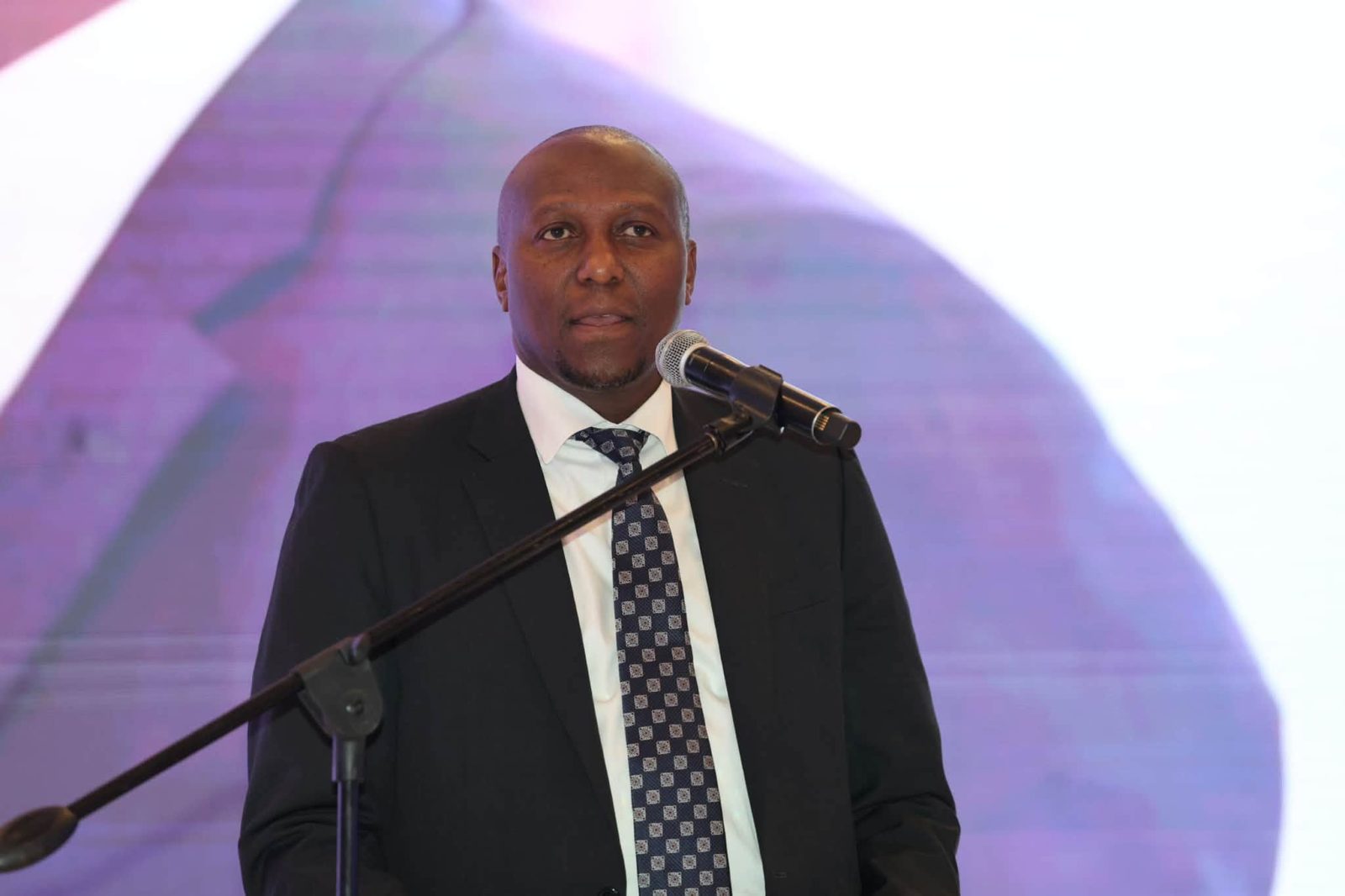
MBABANE – The Prime Minister (PM), Russell Mmiso Dlamini, has weighed in on the controversy surrounding foreign-owned businesses operating illegally on Swazi Nation Land (SNL), declaring that no individual, institution or business entity, whether local or foreign, is above the law.
Dlamini has also called on emaSwati to take primary responsibility for building and developing their country, warning that foreign investment should complement, rather than displace, the economic aspirations and participation of the local population.
He made his position known through five key messages centred on the rule of law, economic sovereignty, patriotism, national responsibility and the need to ensure that economic growth benefits the country.
His remarks come amid growing debate over the operations of foreign-owned businesses, particularly those allegedly operating in non-compliance with the country’s laws on SNL.
The matter has attracted attention following concerns raised in Parliament, where Members of Parliament (MPs) adopted a recommendation giving foreign-owned businesses found to be non-compliant with the country’s laws 12 months to regularise their operations or close shop.
In his first point, Dlamini stressed that the rule of law was sacrosanct and non-negotiable, emphasising that everyone who chooses to live, work or invest in Eswatini must respect the country’s laws and institutions.
He maintained that government had a constitutional responsibility to uphold and enforce the law without fear, favour or prejudice.
According to the PM, allowing individuals or businesses to operate outside the law could lead to lawlessness, disorder and, ultimately, the erosion of national sovereignty.
He cautioned that once a country descended into lawlessness, restoring order, public confidence and institutional authority could become exceedingly difficult.
On the question of economic participation, Dlamini reminded national leaders and MPs that the primary responsibility for building Eswatini rested with emaSwati themselves.
While acknowledging the importance of foreign investment and international partnerships, he argued that these should support local aspirations and enterprise rather than take the place of emaSwati in developing their own country.
He questioned the wisdom of surrendering responsibility for the country’s future to outsiders and subsequently complaining when national interests were neglected.
“Live lakhiwa banikati balo. Asakheni live lakitsi,” he said, loosely translated to mean that a country is built by its own people and that emaSwati should work together to build their own country.
The PM further raised concerns about individuals who might be prepared to compromise national interests in exchange for personal financial benefits.
He said allegations of bribery, improper inducements and corrupt influence should be thoroughly investigated, adding that those found to have engaged in wrongdoing must be exposed through lawful processes and held accountable.
Dlamini warned that no amount of money could justify compromising the economic future of an entire nation.
He described public leadership as a sacred trust, insisting that those entrusted with national responsibilities should not place personal enrichment above the welfare of the people.
The fourth issue raised by the PM was the need to ensure that economic growth translated into tangible benefits for emaSwati.
He said Eswatini’s economic challenge was not simply achieving growth, but ensuring that economic activities taking place within the country contributed meaningfully to domestic investment, employment, financial-sector development and national prosperity.
In this regard, Dlamini questioned the extent to which certain businesses retained, reinvested and circulated their earnings within the domestic economy.
He expressed concern that businesses could generate substantial revenue locally, but transfer most of their earnings abroad, with limited domestic banking, reinvestment or participation in local value chains.
However, he emphasised the need to distinguish legitimate international transactions from unlawful financial practices.
He said government should objectively examine these issues, enforce applicable laws and develop policies that encouraged greater retention of economic value within the country.
The PM’s fifth message was a call for patriotism and national service, urging leaders in Parliament, government, business and society to reject selfishness, greed and the pursuit of personal advantage at the expense of the collective good.
He said the actions of those in positions of responsibility should be guided by whether they were advancing the interests of Eswatini or merely serving themselves.
Dlamini maintained that patriotism should be demonstrated through integrity, responsible leadership, respect for the law and a genuine commitment to national development.
He concluded by reiterating that Eswatini remained open to investment and international partnerships, but insisted that these must operate within the country’s legal framework, while respecting its sovereignty and the legitimate economic interests of emaSwati.