LOBAMBA – Foreign-owned businesses found operating in violation of the country’s laws and regulations have been given 12 months to regularise their operations or close shop.
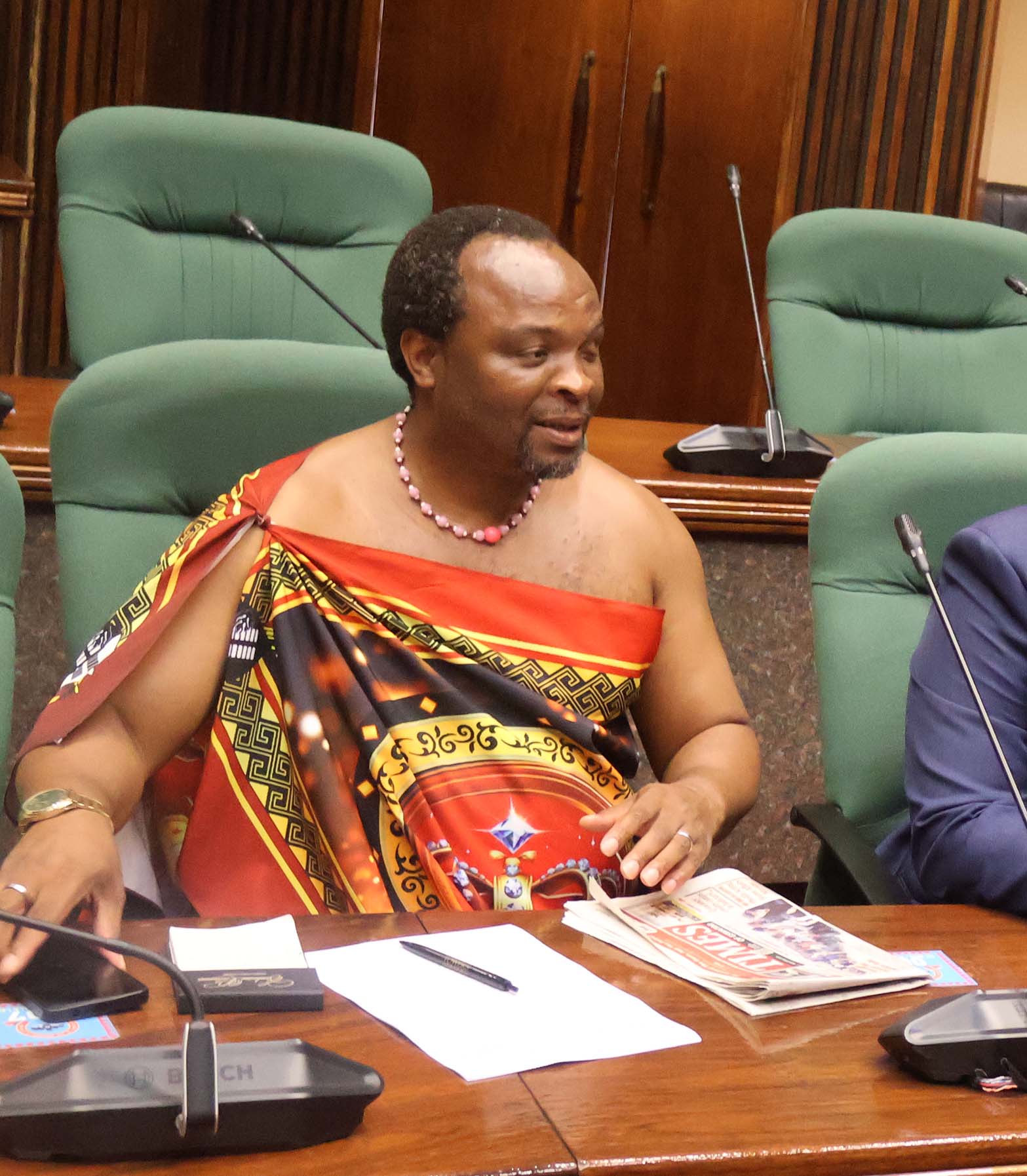
The recommendation was adopted by Members of Parliament (MPs) during the portfolio committee debate on the Ministry of Commerce, Industry and Trade’s second quarter performance report at the House of Assembly yesterday. The debate exposed divisions among MPs over the ongoing inspections and closure of businesses owned by foreign nationals, particularly Asian business operators.
While some supported the exercise, arguing that businesses operating on Swazi Nation Land (SNL) should primarily benefit emaSwati, others cautioned against an abrupt crackdown that could disrupt livelihoods, affect consumers and leave communities without essential services.
Some MPs proposed a three-year transition period, while others suggested six months. Mbabane East MP Welcome Dlamini raised concern over the manner in which the inspections were being conducted, saying officers from the Ministry of Commerce were going around closing shops operated by Asian businesspeople.
He said the exercise had created an impression among members of the public that government was intent on driving foreign business operators out of the country, with some referring to it as South Africa’s ‘Phakelumthakathi’ operation. Dlamini said the ministry’s report acknowledged that a crackdown was underway and that it had reportedly been sanctioned by Cabinet.
He warned that the closures were resulting in goods being left to rot, while emaSwati employed by the affected businesses were losing their jobs at a time when unemployment remained a major challenge. The MP also questioned whether government had a clear plan on who would take over the businesses once they were closed.
He recommended that the crackdown be temporarily suspended to allow for a proper transition, proposing that foreign-owned businesses be given three years to make the necessary arrangements.
Nhlambeni MP Manzi Zwane supported the call for a longer transition period, arguing that government should give the affected Asian business operators three years, considering that they had previously been allowed to operate in the country for that period.
However, Mafutseni MP Sabelo Mtetwa felt that three years would be unnecessarily long and proposed a six-month period.
He argued that government should use the six months to ensure that emaSwati are adequately financed to enable them to take over the businesses.
Mtetwa maintained that supermarkets in communities should ideally be owned by emaSwati, while Asian business operators should concentrate on larger retail establishments rather than competing with small local businesspeople. He also raised concern about the potential influence of foreign business operators in local politics, arguing that their growing economic presence in communities could eventually translate into political influence.
Meanwhile, Minister for Agriculture Mandla Tshawuka sought clarity on the nature of the businesses being closed, questioning whether the inspections were targeting operators who had complied with all the required procedures.
Lugongolweni MP Joseph Souza also questioned whether the closures were being undertaken because businesses had invalid licences or simply because government wanted foreign nationals out of the country.
He argued that where a business licence was valid and had been renewed annually, the nationality of the person operating the business should not automatically become an issue.
Souza further questioned how businesses that were now considered non-compliant had initially obtained licences from the relevant authorities.
He said the country is a kingdom and that everyone should be treated with respect, maintaining that a liSwati renting out business premises to an Asian operator should not automatically constitute wrongdoing where the necessary licences and authorisations are in place.
Lobamba Lomdzala MP Marwick Khumalo also cautioned against what he described as discriminatory treatment of foreign business operators.
He argued that government should not allow foreign nationals into the country, grant them the necessary documentation and subsequently subject them to conditions that could render their businesses unviable.
Khumalo said the interests of consumers appeared to have been overlooked in the exercise, pointing out that Asian-owned shops play an important role in providing goods and services in communities.
He challenged MPs to consider the plight of consumers who depend on these businesses, particularly in areas where locally-owned shops had struggled to maintain adequate stock of goods.
The MP said some communities had become accustomed to the availability of fresh bread and other essential commodities supplied by the foreign-owned shops. He therefore supported a gradual approach, proposing that affected businesses be given 12 months to make the necessary adjustments.
In response to the concerns raised by MPs, Mamba, who moved the motion, clarified that the Ministry of Commerce was implementing legislation governing the issuing of business licences.
He said the committee had established that some businesses were operating unlawfully on SNL and agreed that government needed to address the situation.
However, he emphasised that the process should not be abrupt, proposing a 12-month period to allow affected businesses to comply with the relevant requirements.
The ministry’s report also reflects concerns previously raised by Khumalo regarding the potential impact of the inspections on consumers, particularly the possibility that closures could make it difficult for communities to access essential goods.
Khumalo had also questioned the role of immigration authorities in allowing foreign nationals into the country to engage in business activities, arguing that government should take a gradual and measured approach instead of implementing what could be perceived as a blanket removal of foreign-owned businesses. He further emphasised that all businesses, regardless of ownership, should meet their tax obligations.
In its response, the ministry clarified that the objective of the inspections is not to remove all foreign-owned businesses from the country, but to ensure that every business operates in compliance with prevailing laws and regulations.
It stated that the exercise was intended to identify and address instances of non-compliance while ensuring that businesses operating legally were not unfairly affected.
The ministry also acknowledged the importance of protecting consumers and avoiding unnecessary disruptions to the supply and distribution of goods.
It said the inspections would be guided by the applicable legal framework, with the circumstances of individual businesses considered rather than adopting a blanket approach. On immigration concerns, the ministry acknowledged the need for closer coordination with relevant authorities to ensure that foreign nationals engaging in business activities meet the applicable immigration and business requirements.
It further reiterated that all businesses were expected to fulfil their tax obligations in accordance with the country’s tax laws.
The report also records concerns raised by another MP over the possibility that some business operators, including refugees, could be unfairly targeted during the inspections.
The MP allegedly questioned whether the chairperson of the CEE Council Board had a conflict of interest and called on the ministry to develop a clear and coordinated strategy to guide the exercise and prevent it from escalating.
The concerns were also informed by reports that some foreign-owned businesses had been allocated land by local authorities for business operations.
The MP therefore wanted clarity on how such businesses would be treated, particularly where they had obtained the necessary land allocation and authorisation from the relevant authorities.
Responding, the ministry maintained that business inspections were a regular part of its mandate and were not a new exercise.
It stressed that the inspections were not intended to target any particular individual, group or category of business owners.
Instead, the ministry said all businesses operating in the country were expected to comply with the prevailing laws and regulations, including operating within the specific categories and conditions of the business licences issued to them.
It added that where businesses had been duly authorised by the relevant authorities, such authorisations would be taken into consideration when assessing their compliance.