

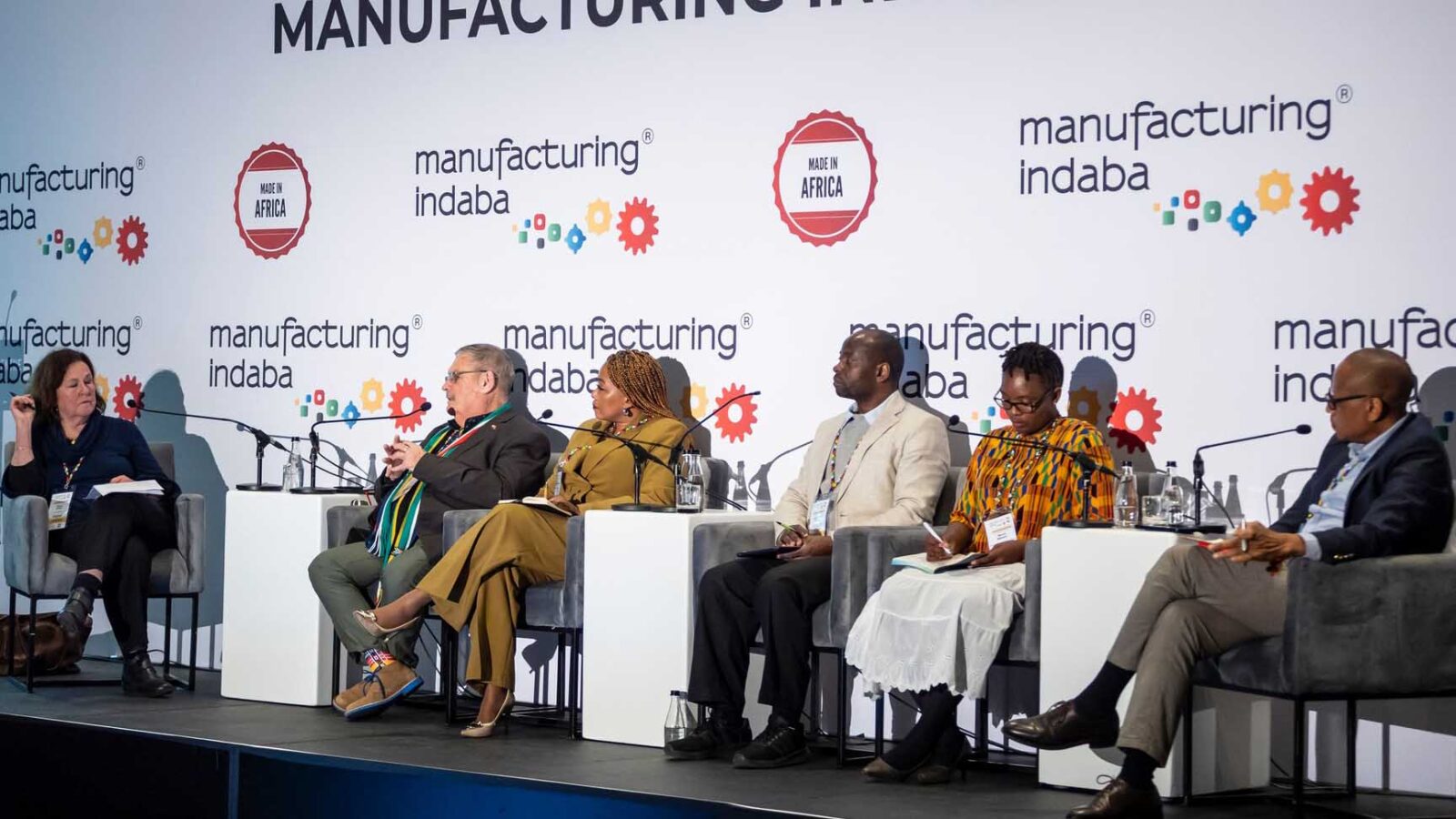
MBABANE – The role of the AfCFTA in unlocking regional value chains and expanding market access for African-made products is set to take centre stage at the upcoming Manufacturing Indaba 2026.
This indaba is set to take place as Africa intensifies efforts to build a stronger, more competitive industrial base.
The 2026 edition of the Manufacturing Indaba will be held in Johannesburg from July 14 to 15, 2026, convening government leaders, manufacturers, investors, development finance institutions and technology providers from across the continent.
The gathering will take place under the theme ‘Building Competitive, Resilient & Sustainable African Manufacturing,’ reflecting Africa’s growing urgency to strengthen industrial capacity, enhance competitiveness and build resilience in an increasingly volatile global economy.
Against the backdrop of global supply chain disruptions, geopolitical tensions and rising sustainability requirements, the indaba is expected to provide a critical platform for translating Africa’s industrial ambitions into practical, investment-ready outcomes. Central to these discussions will be the African Continental Free Trade Area (AfCFTA), widely regarded as a transformative framework for boosting intra-African trade, deepening regional integration and accelerating industrialisation.
The AfCFTA, which seeks to create a single continental market for goods and services, offers African manufacturers access to a combined market of over 1.3 billion people with a collective gross domestic product (GDP) exceeding US$3 trillion.
By reducing tariffs, harmonising standards and addressing non-tariff barriers, the agreement is designed to enable African firms to scale production, participate in regional value chains and compete more effectively both within Africa and globally.
Manufacturing Indaba 2026 will examine how AfCFTA can be operationalised to support industrial growth, particularly by strengthening cross-border supply chains, promoting localisation and reducing Africa’s dependence on imported manufactured goods.
Discussions are expected to focus on how manufacturers can leverage the trade agreement to source inputs regionally, add value locally and export finished products across the continent.
*Full article available in our publication
















Leave a comment