

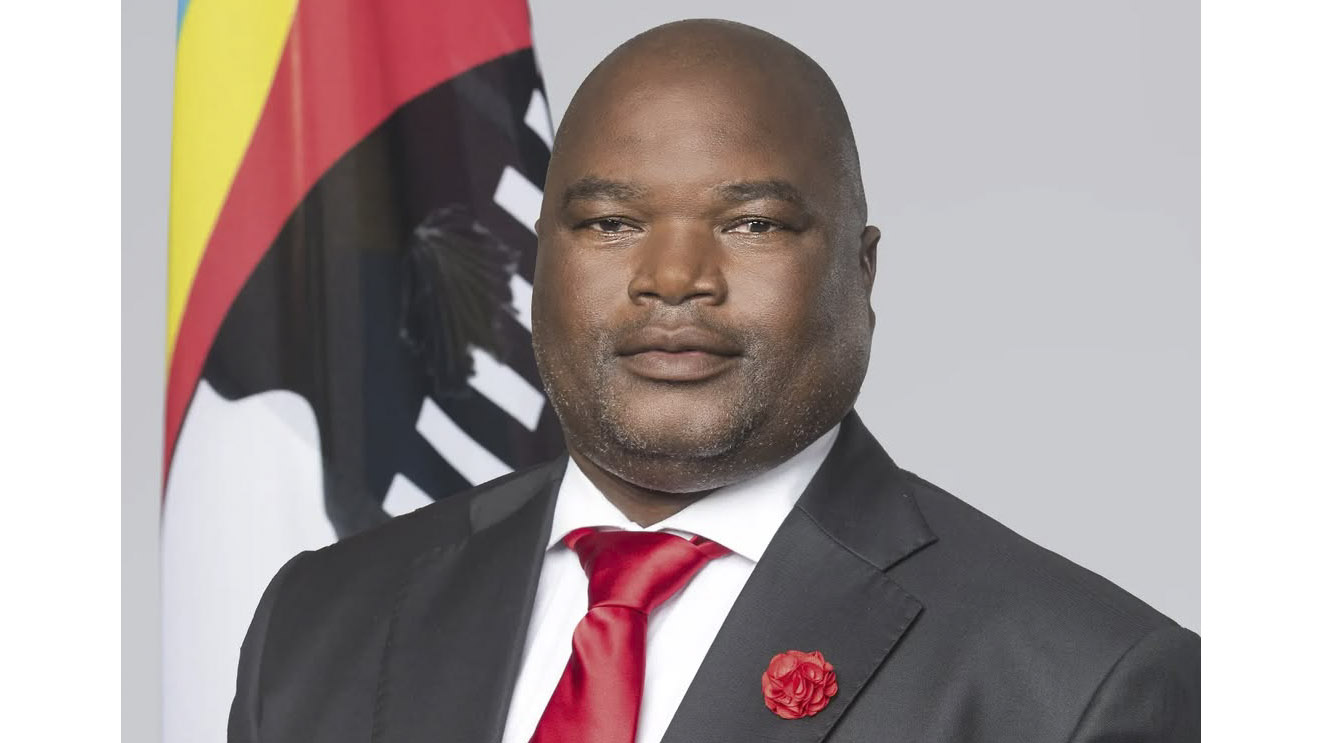
MBABANE – Government is stuck with its 43 959 bloated civil service because it cannot raise E1.3 billion to send excess workers home.
This reality has beset government as efforts are being channelled towards polishing a national budget, which, in the past, has allocated a sizable chunk just for public servants’ salaries.
Worth noting, the World Bank and the International Monetary Fund (IMF) have urged Eswatini to significantly reduce its civil service wage bill to avoid a fiscal crisis, citing that the country has one of the highest public wage-to-GDP ratios globally.
Government has recently engaged the World Bank for technical assistance to contain this, with plans to potentially reduce the workforce as the wage bill has ballooned following recent salary reviews.
Minister for Public Service Mabulala Maseko said yesterday that at least 5 000 workers who were found to be eligible for the Enhanced Voluntary Early Retirement Scheme (EVERS), are still in the public service because there is no money to pay them off.
“In order for us to remove the human resource through EVERS, we must have E1.3 billion. Moreover, you will recall that EVERS needs to dangle a carrot for the workers to accept it, which means we must have a lot of money,” he said during an interview.
He said besides the EVERS, government must also set money aside to pay for the workers’ pension.
“There is an agreement that workers will leave the service at such a time, but if we have to remove them before the stipulated time, then we will attract penalties. Hence, you need a healthy budget to implement all that,” he said.
He said the number of workers in the respective ministries have been gathered, but audits are still being done by the Management Services Division (MSD), a government internal consultancy unit on service delivery.
Maseko said currently, government is concerned with implementing the salary review, which substantially increased the wage bill from E10.4 to E12.4 billion across government, including politicians’ salaries.
He said if government implements the EVERS, the implication is that it should have at least E13.7 billion.
“Where can we get such huge sums of money? We are saying first things first, which means we need to finish implementing the salary review first, then we can speak about other projects such as EVERS,” he said.
He also said government is considering its many other priorities when implementing policies.
*Full article available on Pressreader*
















Leave a comment