

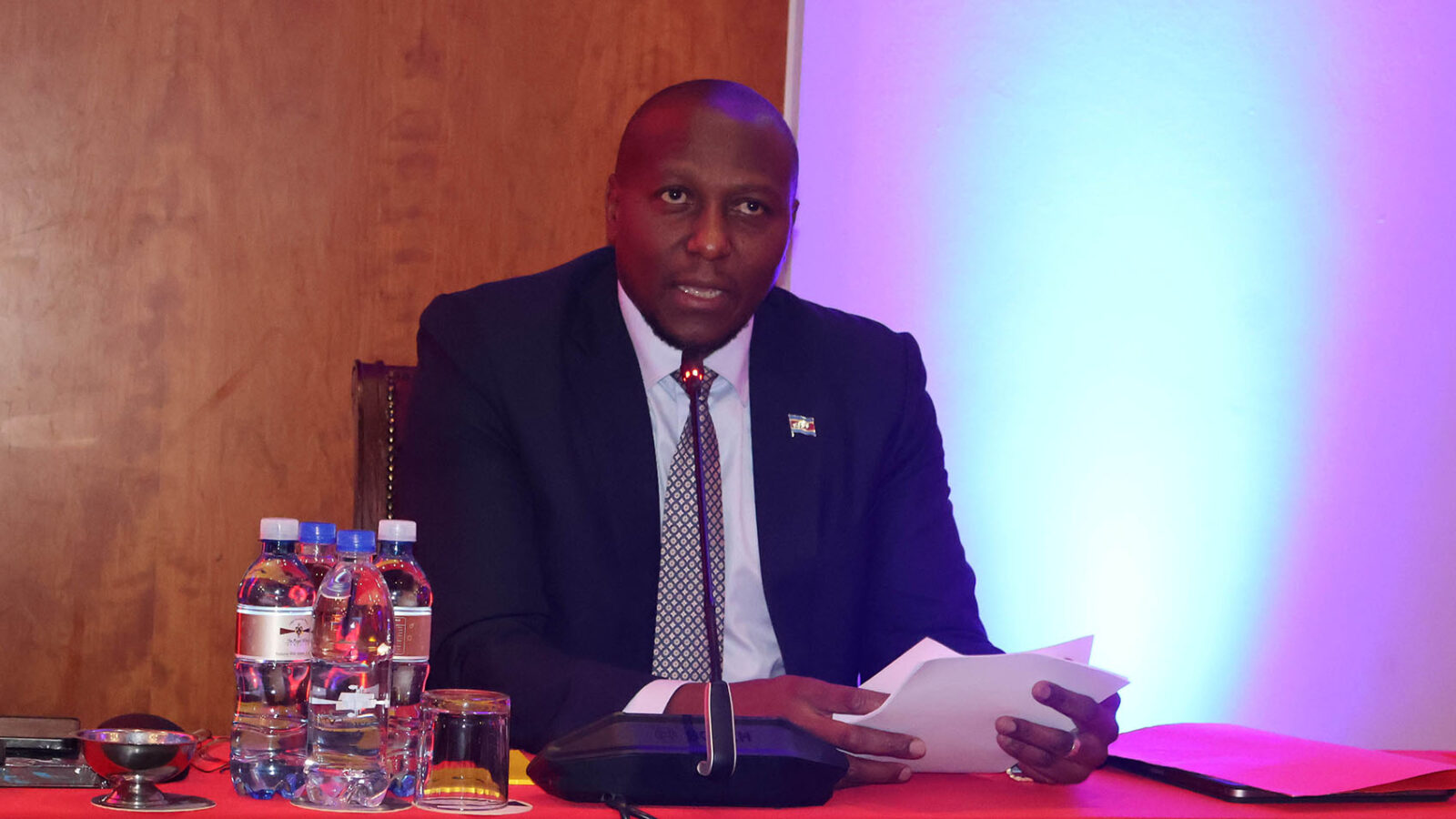
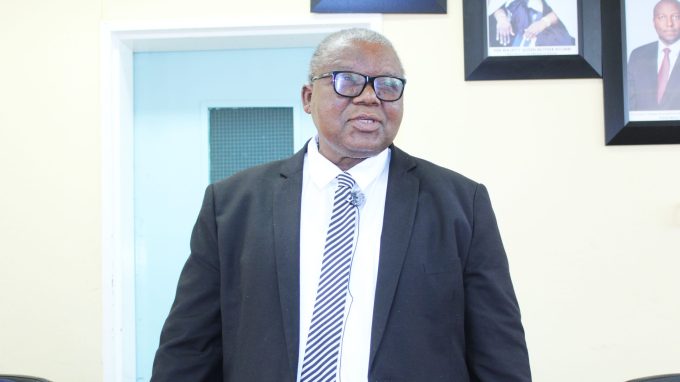
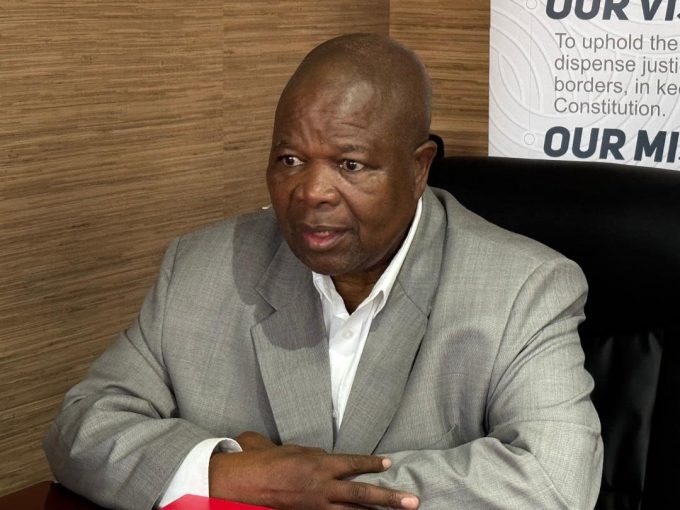
MBABANE – Prime Minister (PM) Russell Dlamini has challenged Cabinet to move beyond policies, plans and paperwork.
The PM went on to declare that 2026 must be the year government translates strategy into measurable, tangible impact in the lives of emaSwati.
Officially opening the Kingdom’s Annual Cabinet Strategic Review Meeting, commonly known as the Cabinet Retreat, the premier set a decisive tone, warning that the country’s greatest challenge was no longer the absence of plans, but weaknesses in execution. “Our challenge today is no longer the absence of plans, but the quality, speed and discipline of execution,” he said. Drawing from an early leadership lesson, the premier cautioned against hesitation in decision-making.
“A good decision taken late is no different from a bad decision. Indecision itself is a decision. In 2026, this government will take timely, firm and deliberate decisions. This is my first and clearest call to Cabinet.” Anchored on the ‘nkwe’ mandate bestowed by His Majesty the King at Sibaya – People’s Parliament, the prime minister said while progress had been made, the gap between policy intent and lived reality remained too wide.
“Government must now shift decisively from activity to impact,” he stressed.
He outlined key areas requiring urgent attention, including strengthening execution discipline, aligning planning, budgeting and implementation, reforming procurement systems to enable delivery, taking ownership of staffing decisions and deliberately deregulating sectors where red tape stifles progress. On health, the PM called for urgent improvement in access to quality care through the operationalisation of the Medical Supplies Agency and the expedited rollout of National Health Insurance. In education, he pressed for full implementation of the UNESWA Inquiry Report and the Comprehensive Education Reform agenda, with success measured not by policy adoption, but by relevance and employability outcomes.
Corruption, he said, must be confronted decisively through a national anti-corruption strategy, stronger enforcement mechanisms and serious consideration of a national inquiry. Energy security must be secured within two years through strengthened governance, improved leadership and stabilisation of electricity costs.
He further urged the transformation of the business environment by removing regulatory barriers, enabling investment and accelerating enterprise and job creation. Strengthening State-owned enterprise governance, finalising a White Paper on alternative financing, responsibly concluding Sovereign Wealth Fund legislation and reducing over-reliance on Southern African Customs Union (SACU) revenues were also identified as priorities. “These are not technical issues. They are leadership issues,” he emphasised. The retreat, he said, offered Cabinet a vital opportunity for honest reflection on the year behind, acknowledging both achievements and shortcomings while charting a clearer, more decisive way forward.
Despite fiscal constraints and differing perspectives within Cabinet, the premier said government recorded notable achievements across sectors.
According to Dlamini, the Deputy Prime Minister’s Office remained central to social protection and humanitarian response, constructing houses for poor and vulnerable households and restoring dignity to families nationwide. “Through the National Disaster Management Agency (NDMA), disaster preparedness and response were strengthened, with coordinated interventions during floods, droughts and other shocks enhancing national resilience,” he said.
*Full article available on Pressreader*











Leave a comment