

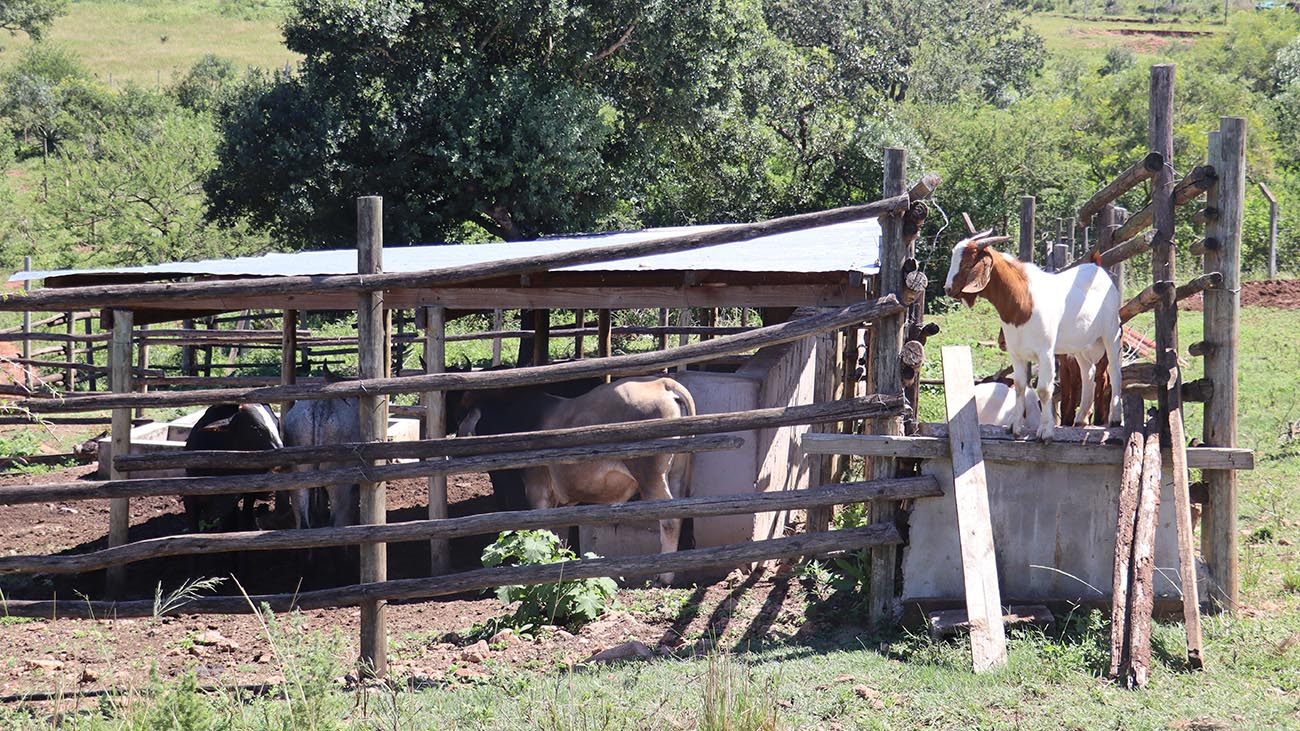
MBABANE – Stakeholders across Eswatini’s livestock value chain are set to converge in Manzini from today until tomorrow for a high-level engagement.
This engagement is aimed at unlocking growth, strengthening resilience and enhancing the competitiveness of micro, small and medium enterprises (MSMEs) operating within the country’s feedlot sector.
The two-day National Feedlot Indaba, taking place from March 25–26 at the The George Hotel, is being convened by the European Union and the International Trade Centre in partnership with the Government of Eswatini through the Ministry of Agriculture.
The platform is expected to bring together a diverse mix of industry players, including feedlot operators, livestock farmers, feed manufacturers, processors, financial institutions, researchers, and policymakers.
At its core, the indaba seeks to address persistent bottlenecks within the sector, while identifying practical solutions to stimulate sustainable growth.
The indaba forms part of the Eswatini Livestock Value Chain Development Programme (ELVCDP), an initiative implemented by the International Trade Centre with financial and technical backing from the European Union.
It is further anchored under the broader ‘Eswatini: Promoting Growth Through Competitive Alliances’ programme, which aims to unlock constraints affecting key value chains and foster inclusive economic development.
Minister for Agriculture Mandla Tshawuka, who is expected to officially open the indaba, emphasised the strategic importance of strengthening the feedlot sector as part of the country’s broader agricultural transformation agenda.
“The livestock sector remains a key driver of rural livelihoods, food security and economic development,” Tshawuka said. “The Feedlot Indaba provides an important platform to bring together farmers, industry stakeholders and policymakers to develop practical solutions that will strengthen the resilience and competitiveness of our feedlot sector.”
Among the most pressing issues are the high cost of animal feed, limited availability of quality feeder stock, restricted access to affordable finance and recurring disease outbreaks.
Notably, outbreaks of foot-and-mouth-disease (FMD) have had a profound impact on the industry, often resulting in trade restrictions and limited access to lucrative export markets.
These disruptions not only affect large-scale producers, but also disproportionately impact MSMEs, which typically lack the financial buffers to absorb such shocks.
The indaba is, therefore, expected to serve as a platform for open dialogue and collaborative problem-solving, with stakeholders, examining ways to mitigate these challenges while building a more resilient and competitive sector.
Under the theme ‘Building Resilient and Competitive MSMEs in the Feedlot Sector,’ discussions during the Indaba will centre on actionable interventions rather than theoretical approaches.
*Full article available on Pressreader*

















Leave a comment