MBABANE – Eswatini can recover from the Foot and Mouth Disease (FMD) outbreak that cost it lucrative export markets, but only through stronger regional cooperation and investment in animal health systems.
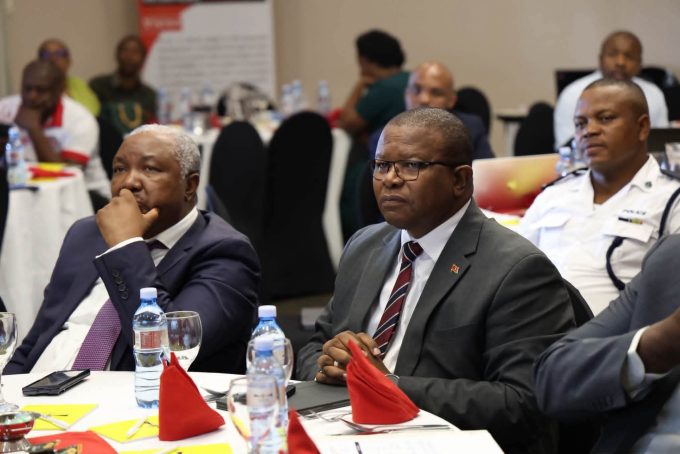
This emerged during the opening of the Southern African Sub-Regional Workshop on Foot and Mouth Disease Prevention and Control, where government, the World Organisation for Animal Health (WOAH) and the Food and Agriculture Organisation (FAO) warned that coordinated action was essential to restore the livestock sector.
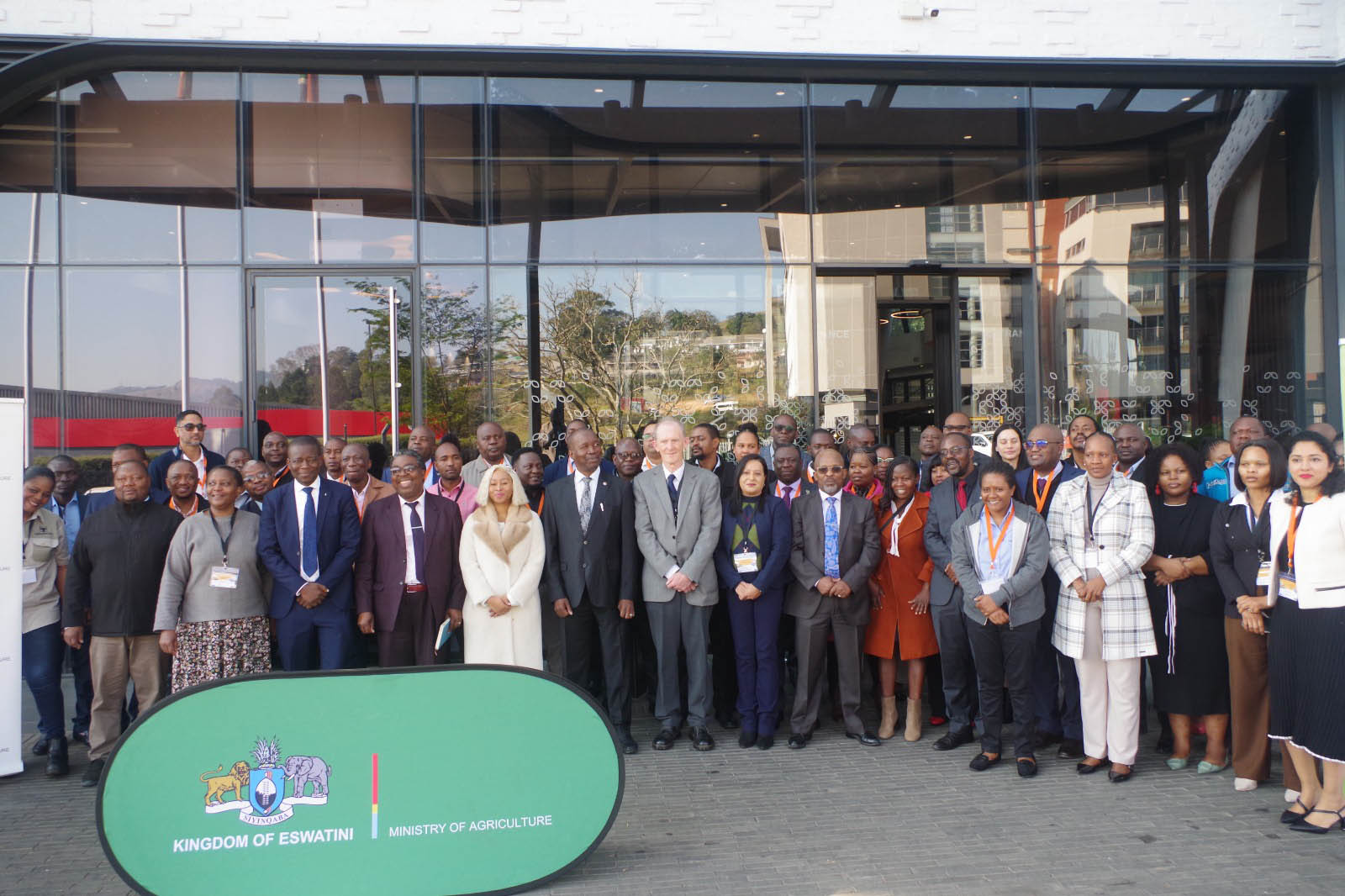
The workshop has brought together three delegates from each of the 16 Southern African Development Community (SADC) member states for a training-of-trainers programme aimed at strengthening regional capacity to prevent and control FMD.
Speaking at the opening, WOAH Sub-Regional Representative for Southern Africa Dr Moetapele Letshwenyo said southern Africa was facing one of its most serious animal health crises in recent years.
By June 2026, seven SADC countries — Eswatini, Botswana, Lesotho, Mozambique, South Africa, Zambia and Zimbabwe — had reported outbreaks.
He said the disease had led to the suspension of livestock exports to key international markets, reduced activity at abattoirs and feedlots, business closures and job losses throughout the livestock value chain.
Despite the setbacks, Letshwenyo said recovery remained possible.
“No country can fight Foot and Mouth Disease alone,” he said, noting that livestock diseases easily cross national borders.
He said the livestock sector supports more than 100 million people in southern Africa, contributing significantly to agricultural gross domestic product while sustaining rural livelihoods and regional trade.
Acting Minister of Agriculture Bongani Nzima, representing Minister Mandla Tshawuka, said the 2025 FMD outbreak was Eswatini’s fourth after previous outbreaks in 1965, 1969 and 2000, but the most difficult to contain.
“The 2025 outbreak disrupted livestock productivity, affected domestic trade and cost the Kingdom major international markets, including the European Union beef market,” he said.
Nzima thanked WOAH for supporting Eswatini after the country sought assistance to strengthen its response to the disease.
He said controlling FMD required more than emergency interventions.
“It demands a well-trained workforce, strong surveillance systems, rapid detection and reporting, coordinated disease control measures and close collaboration between government, farmers, veterinary professionals, the private sector and development partners.”
He added that regional cooperation remained indispensable because animal diseases do not recognise national borders.
Nzima said the knowledge gained during the workshop would be shared with veterinary personnel, extension officers and livestock producers to strengthen Eswatini’s animal health system.
He reaffirmed government’s commitment to implementing WOAH standards to restore confidence in the country’s livestock industry and regain access to regional and international markets.
FAO Sub-Regional Representative Dr Elma Zanamwe said the outbreak threatened not only animal health but also food security, trade and economic resilience.
“The cost of inaction far exceeds the cost of coordination,” she said.
Zanamwe said FAO was working with WOAH, the SADC Secretariat and the European Union to strengthen surveillance, laboratory diagnostics, vaccination strategies, outbreak investigations, biosecurity and regional coordination under the STOSAR II Programme.
She urged member states to share information, identify common risks and harmonise disease control measures to curb future outbreaks.
The workshop is expected to strengthen regional preparedness by equipping participants with the latest approaches to FMD surveillance, prevention and outbreak response, with the knowledge to be cascaded throughout their respective countries.