

Blaming others can offer temporary relief after disappointment, trauma or failure, but constantly shifting responsibility can keep people trapped in the past and prevent meaningful growth.
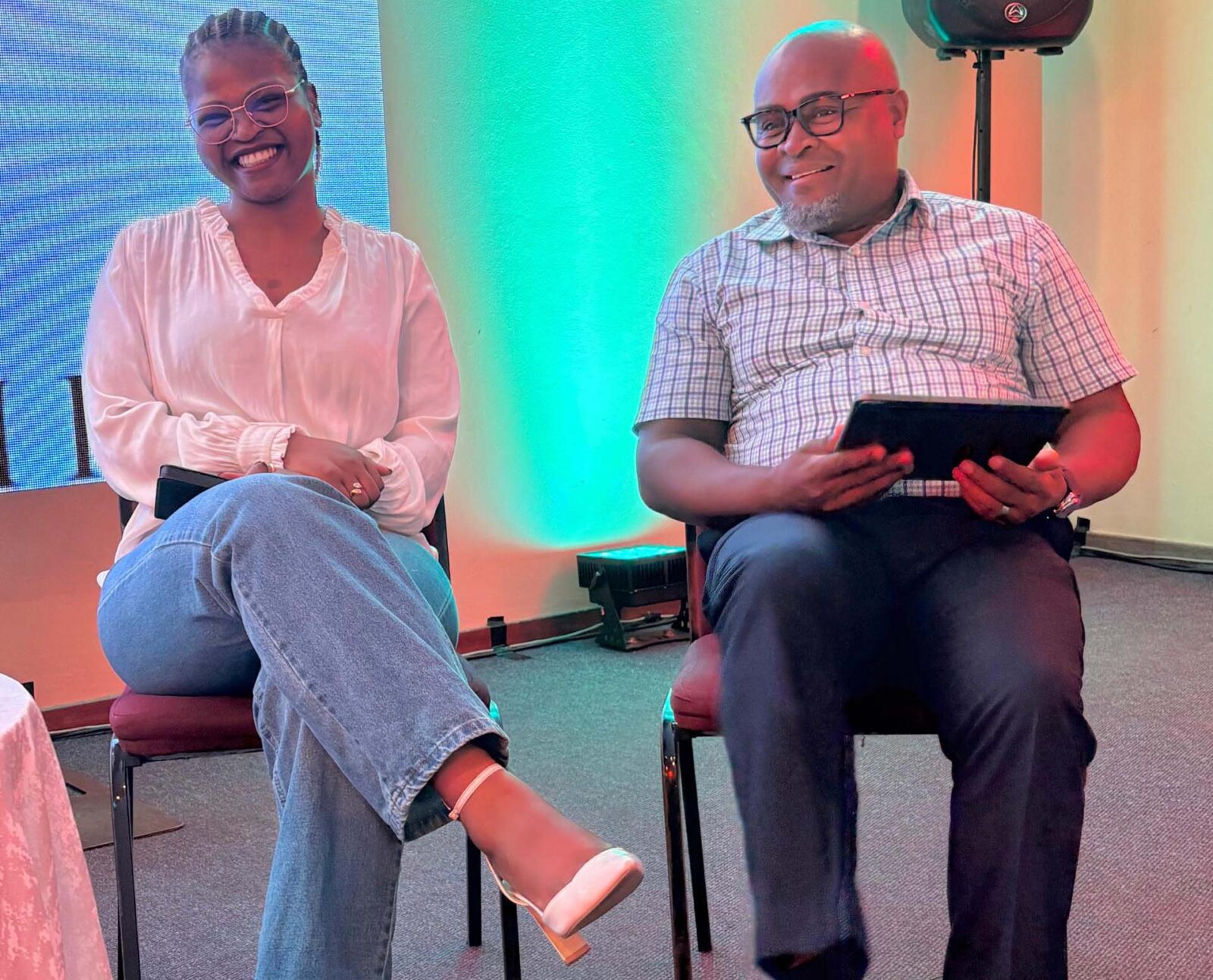
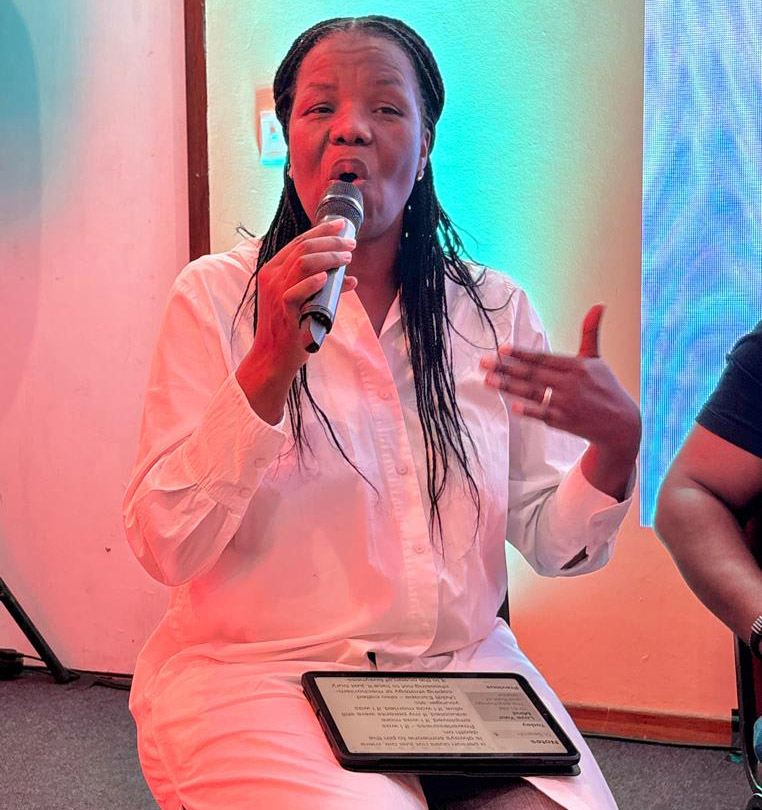
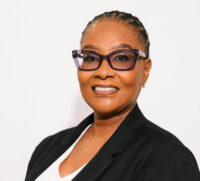
This was the focus of a Love Your Mind panel discussion, which brought together Tanele Zwane, Pastor and University of Eswatini (UNESWA) Social Work And Sociology Lecturer Clement Dlamini, Journalist Bheki Makhubu and Pastor Rejoice Ndzinisa of Jesus Calls Worship Centre, who also works for the Elections and Boundaries Commission and the public.
The panellists explored how blame affects individuals, families, workplaces and society and questioned when self-protection becomes self-deception.
Trauma should not become an identity
Dlamini acknowledged that trauma can have lasting effects but warned against allowing painful experiences to become a permanent identity.
encouraged
“Once you get into your shell, you can’t move forward,” he said.
He encouraged people to acknowledge what happened to them while continuing to work towards their goals.
Reflecting on his own childhood, Dlamini shared that he was raised by a single mother and that his father did not fulfil his responsibilities. However, he refused to allow his circumstances to determine his future.
He also distinguished between guilt and shame, explaining that guilt recognises wrongdoing while shame can make someone believe they are fundamentally flawed.
“Trauma is something that is there, but don’t eternally wear the garment of trauma,” he said.
What is really underneath the blame?
Ndzinisa said blame often hides deeper emotions such as grief, shame, helplessness and powerlessness.
She explained that following the death of a loved one, for example, families may blame doctors or nurses because confronting grief can be more painful.
“There is grief and shame underneath that you still need to deal with,” she said.
Ndzinisa also stressed that accountability starts at home. Children learn how to handle conflict by watching adults. If parents never apologise or admit mistakes, children may struggle to develop those skills themselves.
She encouraged people to recognise their weaknesses, build on their strengths and seek help when necessary.
The system cannot carry all the blame
Makhubu questioned when blaming the system is justified and when it becomes an excuse for avoiding personal responsibility.
He argued that while governments have a responsibility to create opportunities, citizens must also understand their own role in finding solutions.
He particularly challenged young people to remain curious and learn from older generations, stressing that qualifications and positions should never end the pursuit of knowledge.
“People who have knowledge always enjoy feedback,” he said.
Zwane added that blame can become a cycle, affecting relationships and workplaces long after the original problem has passed.
Ultimately, the panel’s message was clear: People can acknowledge trauma, injustice and circumstances beyond their control without surrendering responsibility for what they do next. Blame may explain the past, but accountability creates the possibility of a different future.
















Leave a comment