

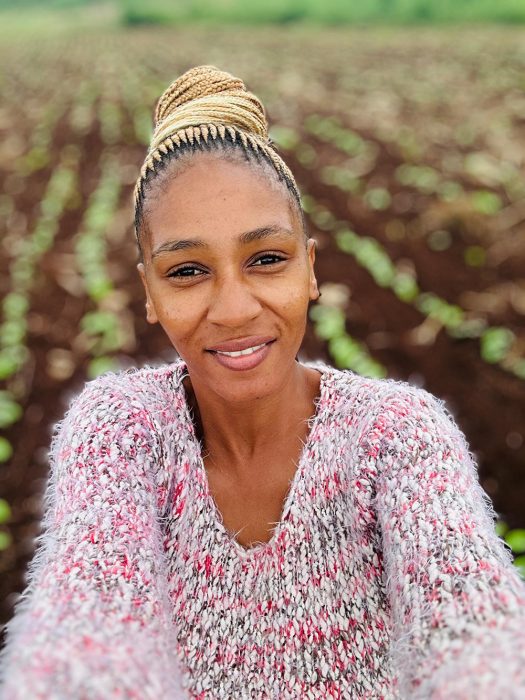
This week, we sit down with Patricia Groening, a young commercial farmer who is turning her agricultural knowledge into a business.
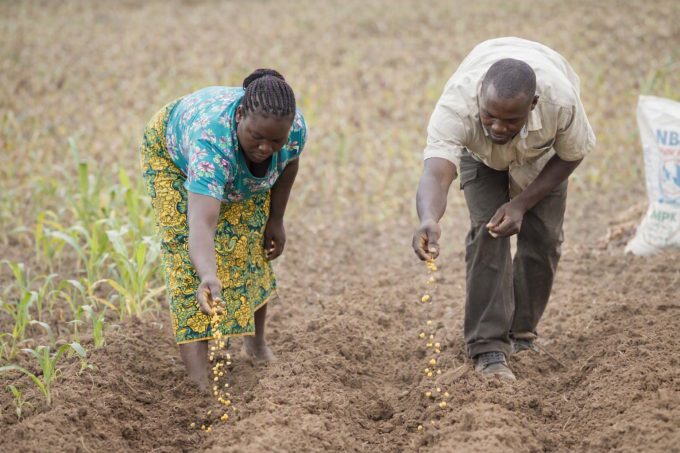
Groening practises commercial crop farming, mainly focusing on dry maize and beans. This season, she plans to diversify into horticultural crops such as baby marrow and beetroot, as well as broiler poultry production.
Born into a farming family, agriculture has been part of Groening’s life from an early age. She was involved in subsistence farming while pursuing a career in agriculture. She holds a Bachelor of Science in Agricultural Economics and Agribusiness Management from the University of Eswatini-Luyengo, which strengthened her understanding of agriculture as a business.
TRANSITIONING
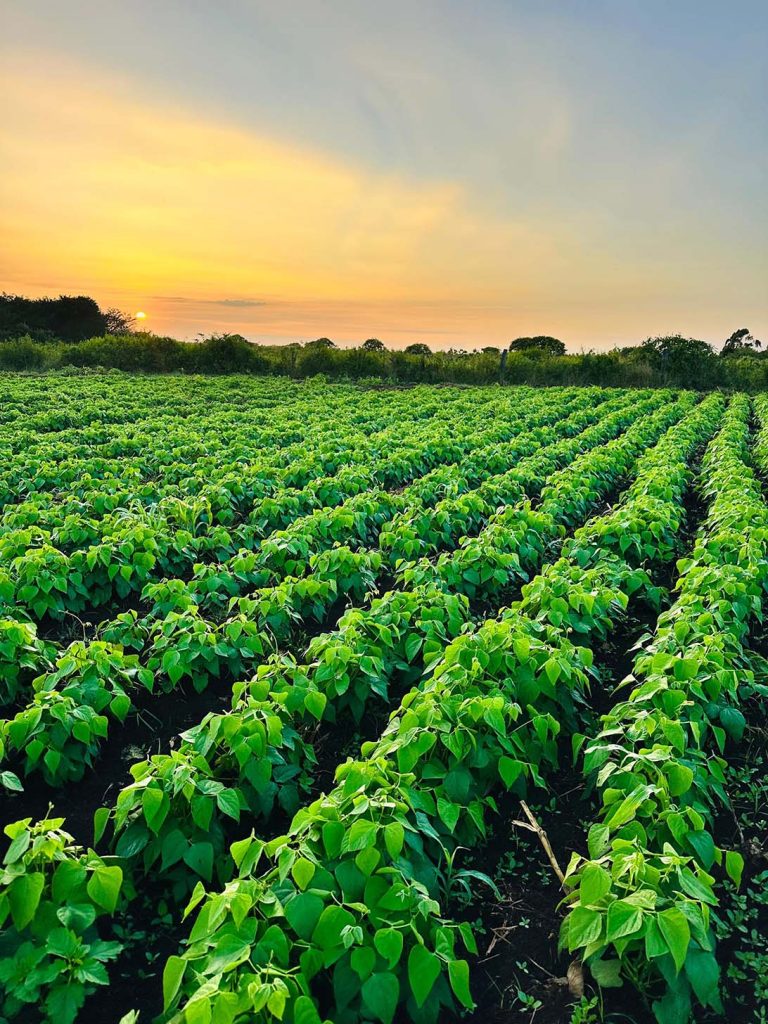
“In 2024, I took a significant step by establishing my own farm and transitioning from mainly subsistence farming to commercial production on a larger scale. While farming has been part of my life for many years, 2024 marked the beginning of my journey as a commercial farmer in my own right,” she said.
Like many young graduates, Groening faced limited employment opportunities and found herself working between contracts. This experience ultimately pushed her to create her own opportunity.
“I realised that agricultural graduates are not only trained to seek employment; we are also equipped to create opportunities for ourselves and others. I decided to take the knowledge and skills I had acquired and start my own farm. I wanted to become my own manager, build something of my own and demonstrate that young people can turn agriculture into a viable business and a source of employment,” she said.
For Groening, farming is also about purpose. She identifies strongly with the Sustainable Development Goals, particularly SDG 1: No Poverty and SDG 2: Zero Hunger.
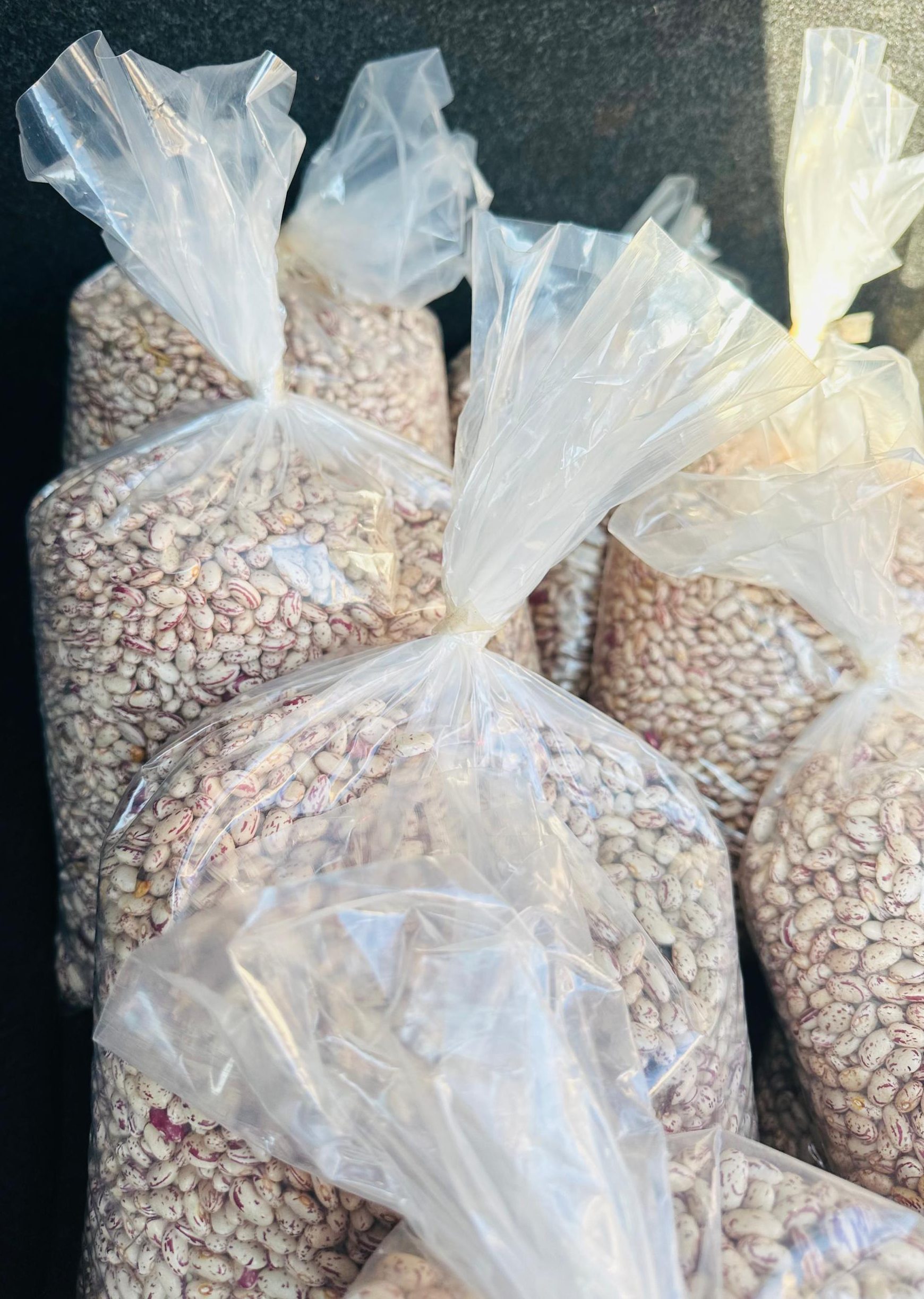
“My main crops are grains, particularly dry maize and beans. These are important for food security and also have the potential to generate income for farmers,” she said.
One of her biggest achievements has been starting her own farm despite not owning land. She began with a one-hectare pilot plot for beans, and achieving her targeted yields gave her the confidence to pursue her vision.
Despite challenges such as limited access to reliable water and the high cost of agricultural inputs, farming has taught her patience, resilience, discipline and the importance of planning.
Her message to young people is simple: Start. “Do not say, ‘I don’t have land’ or ‘I don’t have funding.’ There are opportunities and support systems available in Eswatini. Start small, gain experience and grow gradually.” She also encourages young farmers to make use of agricultural extension officers and engage with bobabe tikhulu in their communities. They know the local systems and can guide young people on how to navigate opportunities within their communities.
“Don’t wait for everything to be perfect. The idea you have today can become a reality if you are willing to start, learn and remain committed. It is never too late to start.”














If every graduate could think out of the box and not wait on employment, our financial situation as a country wouldn’t be this bad. Big up Miss Groening