Madam,
Part I
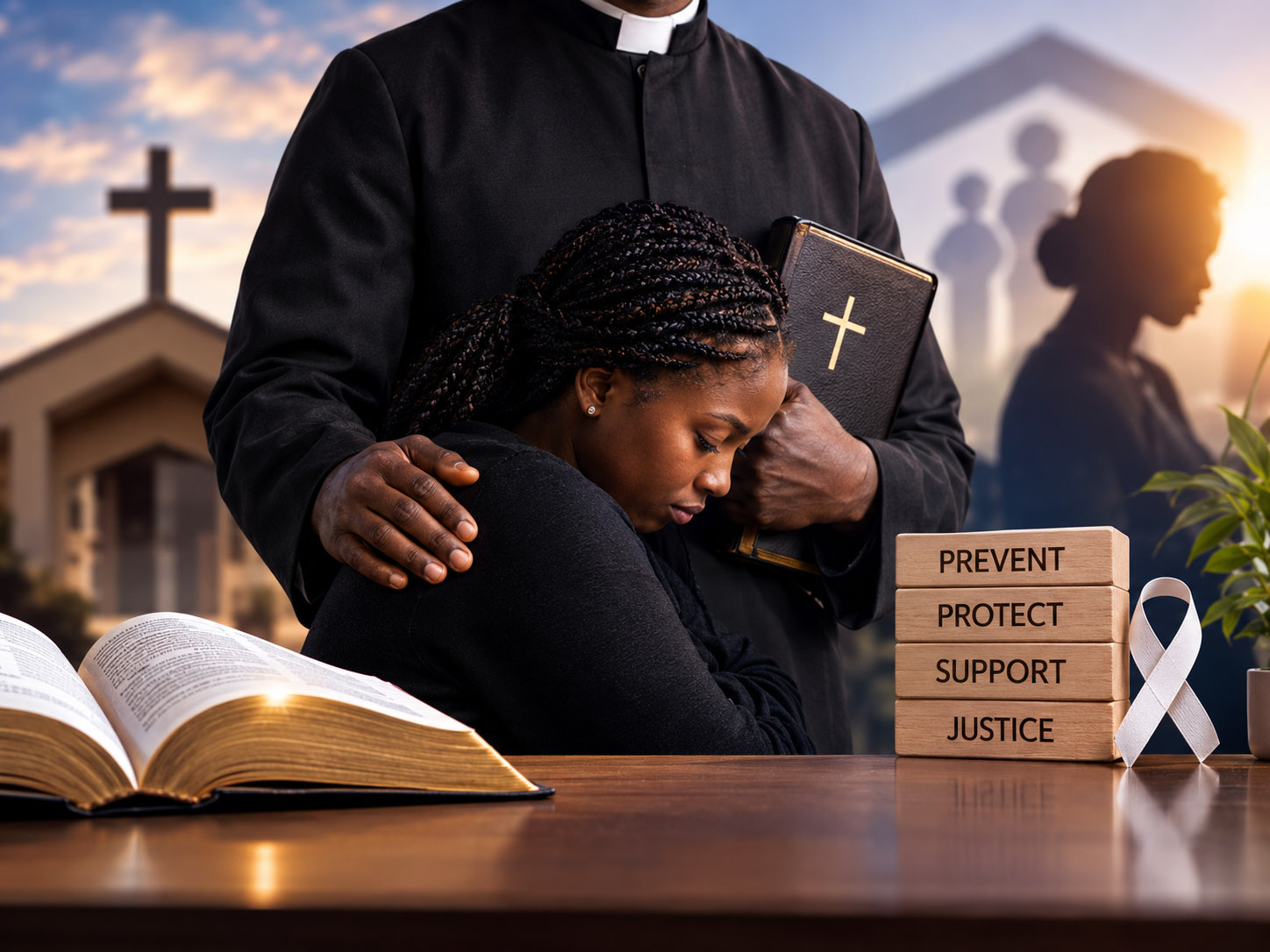
For generations, the Church in Eswatini has stood as the moral compass of our nation, a beacon of hope, a sanctuary for the weary, and the primary custodian of our collective conscience. Yet, we must now confront a haunting paradox: The very altars where we seek refuge from a broken world are, in some instances, failing to protect the most vulnerable among us from the scourge of gender-based violence (GBV). To remain silent on this matter is not merely a lapse in judgment; it is a betrayal of the Gospel’s mandate to protect the oppressed.
I write this not as an antagonist to the institution I serve, but as a devoted shepherd who refuses to see the sanctity of our mission tarnished by the shadows of abuse.
My name is Apostle Mbongeni Khoza and my perspective is forged at the intersection of two vital callings. As a veteran Law Enforcement Officer in Eswatini for the past decade, I have witnessed the raw impact of crime at its most brutal levels. Simultaneously, as an Apostle and marriage officer at The Love of God Assembly, I have presided over covenants of love and provided counsel in spaces of profound brokenness. These dual roles are not in conflict; they are two sides of the same ‘threshold of safety’, demanding both justice and spiritual restoration.
The evidence of our failure is found in the statistics that plague our nation and the whispers that echo in our vestries. When we prioritise the reputation of a leader or the perceived ‘harmony’ of a congregation over the safety of a battered woman or a vulnerable child, we abandon the heart of Christ. Abuse is not a private matter to be ‘prayed away’ behind closed doors; it is a violation of human dignity and, in many cases, a criminal act that requires a robust, systemic response.
Threshold of safety
We must bridge the gap between our theological ideals and our daily practices. A church that preaches love while harbouring, ignoring or silencing reports of violence is a church that has lost its way. If we are to lead Eswatini towards a safer future, we must first demonstrate that the
Church is a place where secrets are brought to the light, where survivors are believed and where justice is not an afterthought, that the foundation.
We stand at a critical juncture. We can choose to continue the tradition of silence or we can choose to become the primary catalysts for a national transformation. This letter serves as a formal invitation to my fellow clergy, church Boards and congregants to acknowledge that our sanctuaries are not exempt from the national crisis of GBV. The time for passive observation has ended; the era of active protection must begin.
Transitioning from a passive observer to an active protector requires more than good intentions; it demands the implementation of a rigorous, institutional architecture designed to shield the vulnerable. The Church must evolve from a place of theoretical safety into a fortress of accountability. We propose a three-pronged framework that every denomination and parish in Eswatini can adopt to ensure that no victim of abuse falls through the cracks of our ministries.
Mandatory trauma-informed governance
The first layer of protection is knowledge. Abuse is often mishandled in the church not out of malice, but out of a profound lack of training. Every church leadership Board must implement the following policies: All clergy, deacons and youth leaders must undergo periodic, trauma-informed training. This training focuses on identifying the signs of domestic violence, understanding the psychology of abuse and unlearning dangerous theological misinterpretations that encourage survivors to ‘submit’ to violence.
‘Duty to protect’ charter
Every congregation should adopt a written charter that explicitly defines abuse- physical, emotional, sexual and financial, and outlines the mandatory disciplinary consequences for perpetrators within the Church hierarchy.
Establishment of ‘sanctuary teams’
Confidentiality is the bedrock of safety. When a survivor decides to disclose their experience, they must be met with trained professionals, not judgmental bystanders.
The non-negotiable referral pathway
The Church’s primary role is spiritual care, not legal adjudication. When a crime has been committed, the Church’s duty is to serve as a bridge to professional justice. We must adopt an ‘always-refer’ policy that mandates immediate escalation in cases of criminal conduct.
By formalising these pathways, we remove the burden of ‘decision-making’ from the clergy, which often leads to bias or cover-ups. We provide a clear, objective and compassionate system that protects the vulnerable while upholding the integrity of the law. A fortress is only as strong as its protocols; it is time for the Eswatini Church to build, document and enforce
these life-saving structures.
Apostle Mbongeni Khoza
Minister of the Gospel,
Marriage Officer & Veteran
Law Enforcement Officer