


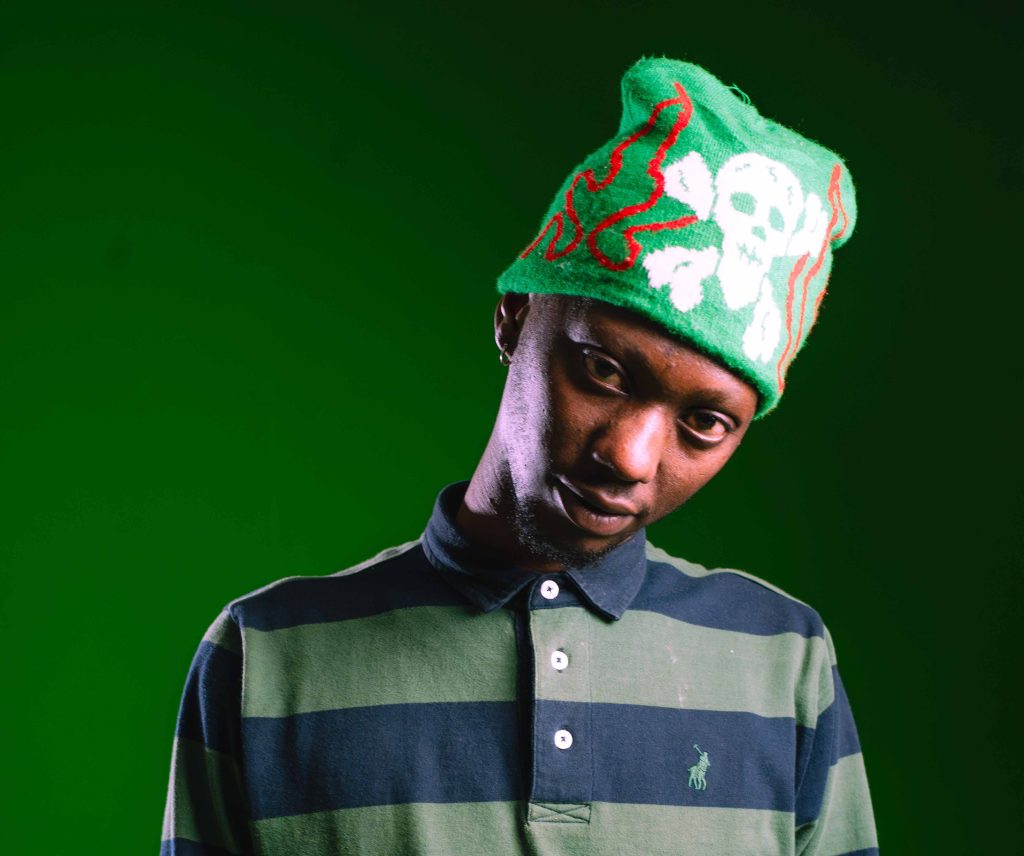
SonkheDlamini, known to most as Bab’ Dlamini, is a DJ, music producer and podcaster hailing from the 404 in Mbabane. While his musical path was initially carved out by Hip Hop, his affinity for sound exceeds any single genre. He remains deeply invested in the broader movement, the sonic textures, the narratives, the individuals and the varied avenues through which artists express themselves.
Over time, he has assumed several roles, transitioning seamlessly between producing records, spinning tracks behind the decks and hosting insightful conversations on his podcast.
What connects these distinct creative pursuits is a fundamental passion for innovation and community. Whether working in the studio, performing live or presenting, Dlamini constantly seeks to deliver meaningful contributions. He views his career as an ongoing journey of learning and discovery, driven by the desire to construct a legacy that reflects his roots while resonating globally.
One of his greatest assets is his capacity to connect with people and spot the concealed potential in raw concepts. He thrives on bringing individuals together through music, discourse and creative partnerships. Outspoken by nature, he maintains a firm commitment to his artistic convictions.
However, navigating these diverse artistic identities presents distinct challenges. Deejaying and production demand a specific focus and energy. Podcasting requires an engaging, conversational demeanor to drive dialogue. Music production, by contrast, often demands an observational stance where the art speaks for itself.
Balancing these artistic demands with the rigours of being a full-time university student requires continuous adaptation. Rather than abandoning one field for another, Dlamini is determined to build an integrated career where all these interests complement each other.
His relationship with music began as an avid listener long before he envisioned himself contributing to the industry. His earliest Hip Hop memory involves hearing Kanye West’s ‘808s & Heartbreak’, specifically the track ‘Heartless’. He fell in love with the composition and visual aesthetic well before grasping the lyrical depth. Discovering local old-school Kwaito proved equally transformative, demonstrating that artists could create compelling music in his native tongue.
As his musical palate expanded, Dlamini began dissecting production elements beyond the vocals. He developed a deep fascination with beats, samples, arrangements and the intricate ways producers build an emotional landscape around a performer’s voice. This curiosity naturally evolved into a desire to compose his own tracks.
Three pivotal moments defined his development. First, his initial exposure to the local Hip Hop scene via radio broadcasts, such as hearing Makhulu Bas by YnV and subsequently spotting artist Young Zii near the shops at Sidvwashini. Events like Headcounts highlighted a thriving local ecosystem of artists and DJs, actively building a domestic culture rather than merely consuming foreign media.
Second, attending He-adcounts allowed him to experience Hip Hop dancers and live performers firsthand, shaping his vision of the creative he wished to become. Third, the decision to take his craft seriously taught him to bridge the gap between loving music and accepting the discipline required to pursue it professionally.
These experiences instilled a desire to look beyond individual success. Dlamini aims to enrich the broader community, foster opportunities for emerging artists and advance the local movement.
Away from the microphone, he remains an approachable university student who enjoys witty conversation and spending time with close companions.
He possesses an outspoken personality and often shares strong opinions on a wide array of topics.
Friends describe him as charismatic, humorous and fun-loving, though he maintains a serious commitment to his work and personal relationships. Occasionally, his ‘Ntate’ side emerges, an elder like inclination to offer guidance and advice, even while navigating his own personal growth.
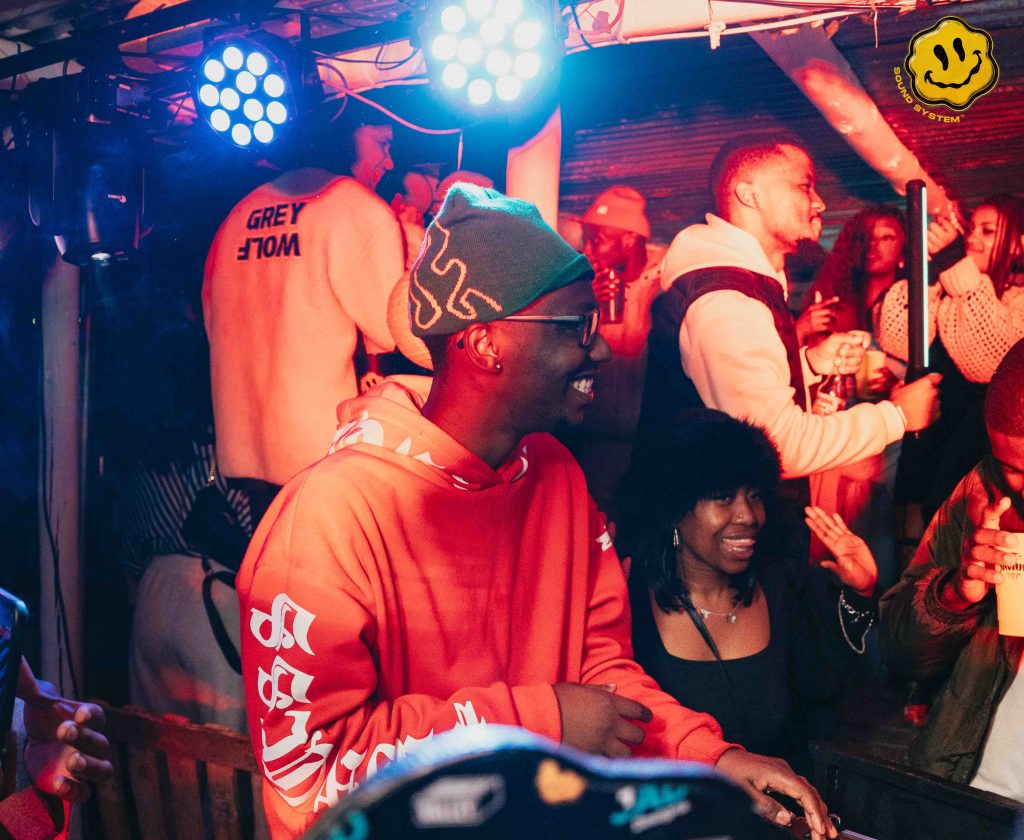
A major highlight of his career was his debut at the Standard Bank Luju Food & Lifestyle Festival. Luju offers an immersive blend of music, culinary arts, fashion and culture. Performing on such a massive platform, representing his signature sound before a vast audience, marked a major milestone.
The event highlighted the DJ’s responsibility to gauge the crowd, build energy and guide listeners on an immersive auditory journey. It also signalled a new chapter, confirming that his dedication could reach broader audiences.
Dlamini draws strong inspiration from the siSwati proverb ‘Sihlahla asonelwa’, which emphasises the importance of remembering one’s roots and honouring those who offered support along the way. In a collaborative creative industry, maintaining humility and preserving relationships remains crucial to sustained success.
His track ‘Shimpilika’ originated when collaborator Sean Cast sent him a demo with an existing chorus. Rejecting the initial placeholder title, the team selected ‘Shimpilika’ because it felt natural, authentic and fitting for the sonic universe they were building. The title eventually expanded to reflect the collective energy of the diverse artists featured on the record.
Behind the scenes, producing ‘Shi-mpilika’ involved navigating creative adjustments. A verse from Since2easy was ultimately omitted from the final mix, while ThaifoSon’s verse underwent significant revisions. For Dlamini, these behind-the-scenes dynamics demonstrate the human element involved in music production.
The track intentionally integrates local cultural references. Lines like Origiinelle’s ‘Keep your 2 cents angeke ize ikhiphe ne loose’ mix English with local slang, whilst Mco Jamrock’s line ‘Ligusha liphekwe lavutfwa, lana siyashimpilika’ uses authentic cultural imagery. Dlamini believes music serves as an ideal medium to introduce listeners worldwide to the language, humour and daily life of Eswatini.
Ultimately, ‘Shimpilika’ represents the strength of creative collaboration. By bringing together artists with distinct styles on a seven-feature remix, Dlamini demonstrated that creators do not need to diminish each other to stand out. Managing seven different schedules, artistic approaches and creative personalities required patience, strong communication and overcoming moments of imposter syndrome.
Looking ahead, Dlamini wants listeners to view this era as a demonstration to initiative and unity. Whether behind the decks, in the studio or hosting conversations on his podcast, he remains dedicated to providing platforms for artists to tell their stories, showcase their talents and drive the culture forward.
BY NELISWA SIBIYA















Leave a comment