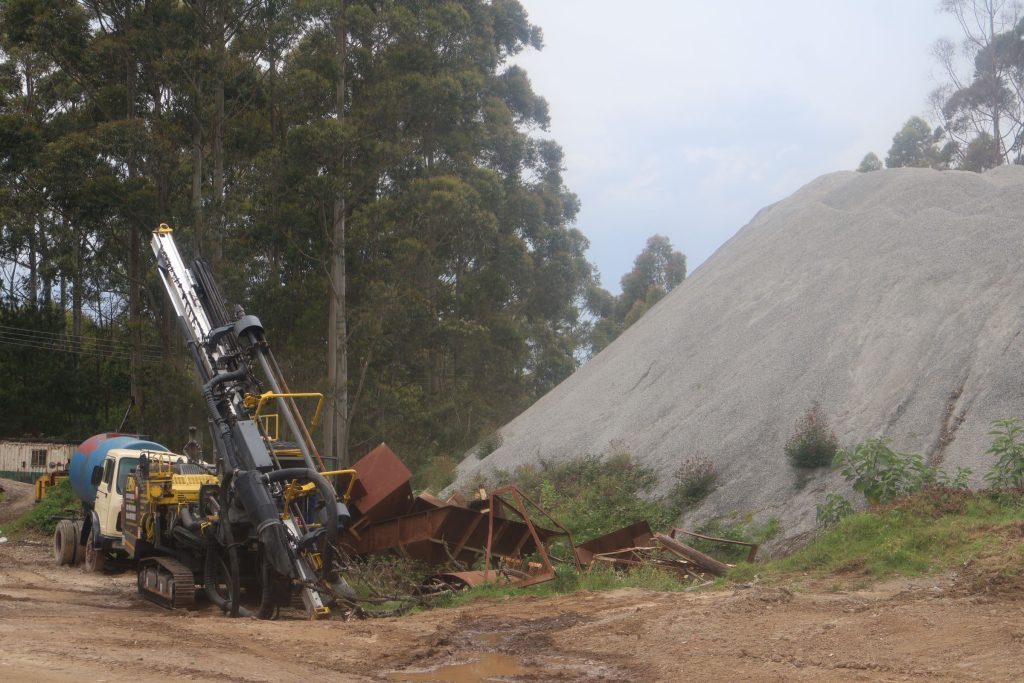
MPOLONJENI – Frustration is mounting among families at Mpolonjeni, in Mbabane, as repeated quarry blasting has left a trail of damage to homes.
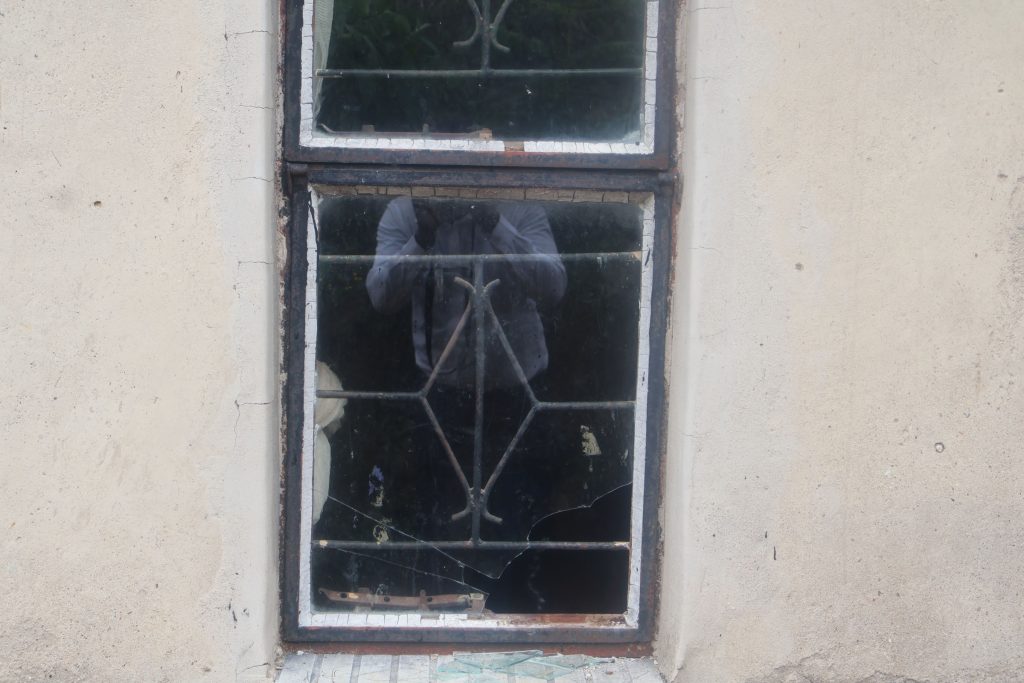
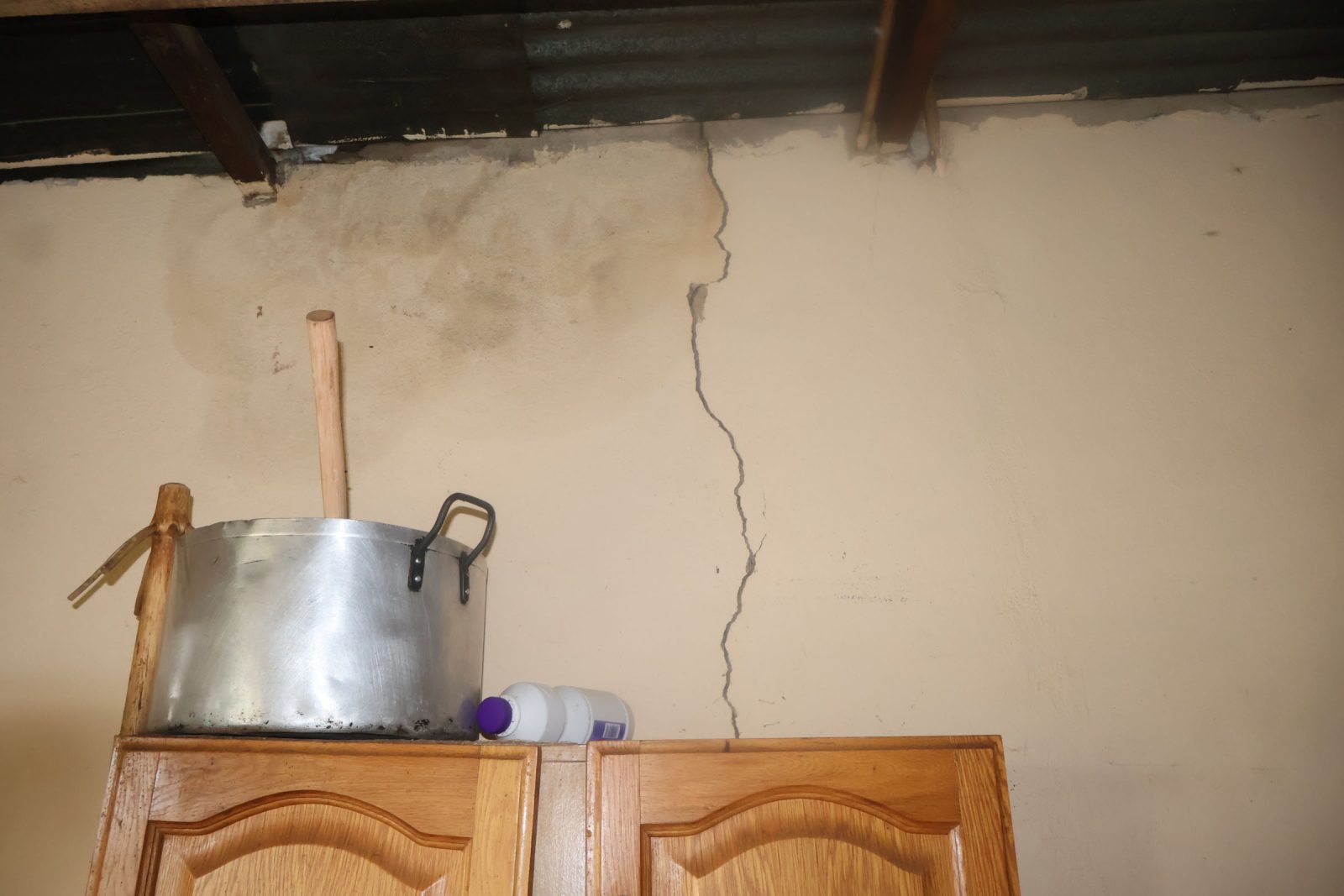
It has emerged that, as the blasting shook the ground, 250 homes developed cracks in their walls and had windows broken. Some parts of Mahwalala have also been affected.
The loudest and most disturbing blast occurred on September 30, shaking the ground like a tremor. Those responsible for the blasting have since visited affected homes to collect data and record the extent of the damage.
Residents interviewed by Eswatini News this week described the blasts as increasingly intense, saying the ground beneath their homes shook violently each time explosives were detonated.
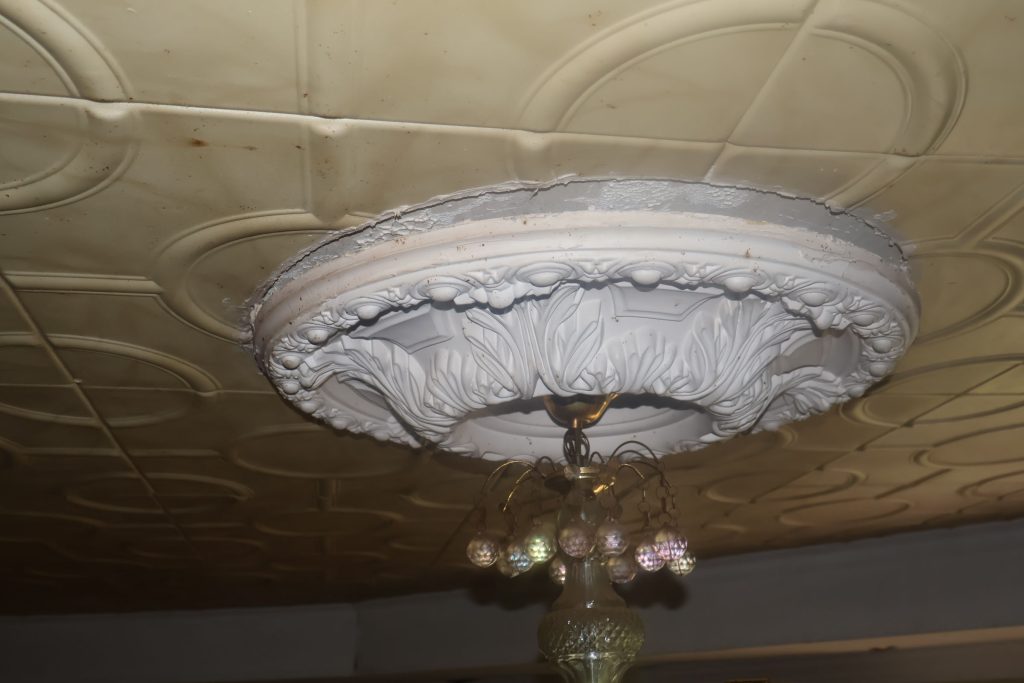
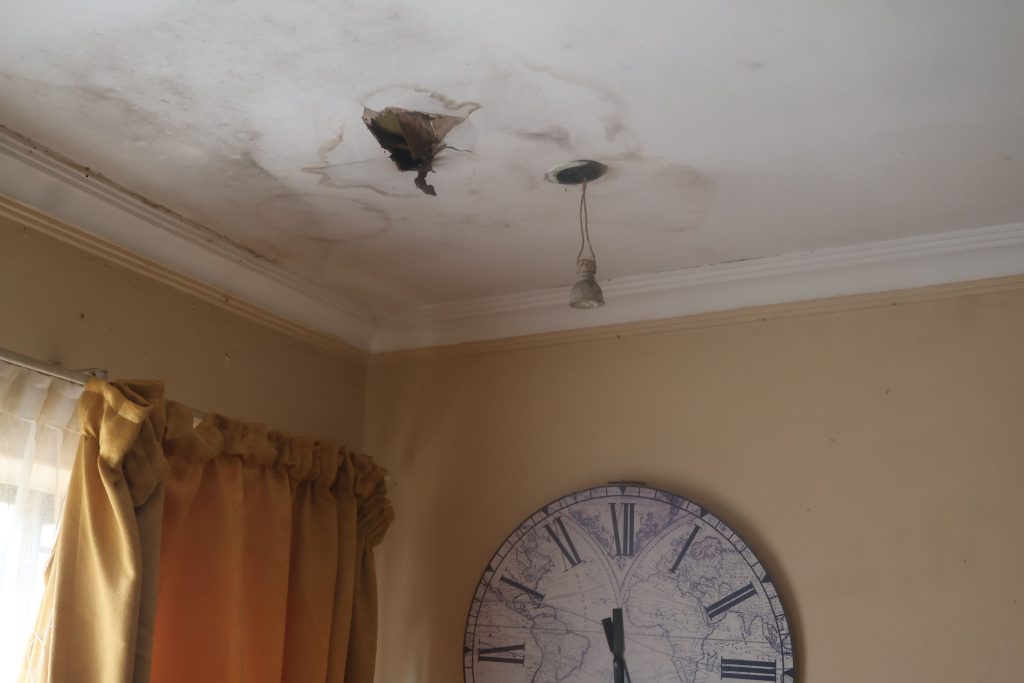
The affected families said the vibrations were causing continuous damage, including cracks in walls, falling ceilings and broken windows, while some reported stones landing on their properties. They said quarrying had been taking place in the area for close to 20 years, but the scale of the damage had increased significantly since the new company took over operations in January.
Several houses visited by this publication had visible cracks running from roof to floor in different sections of the buildings.
One resident said plans to extend his house had been abandoned after construction work was repeatedly compromised by vibrations that caused sections under construction to collapse.
Another homeowner took the publication’s reporter to her garage, where part of the ceiling had fallen. The residents, speaking with one voice, attributed the worsening damage to what they believed were more powerful explosives being used at the quarry, although the cause of the structural damage has not been independently established.
The complaints extend beyond structural damage. Residents said crushing, drilling and other quarry activities were generating significant dust and noise, making it difficult for families to sleep and for pupils preparing for examinations to concentrate.
They said the disturbance was particularly concerning at night, adding another layer of frustration, as families claimed they could no longer keep their windows open during the week for fear of dust entering their homes.
According to the residents, they were generally only able to open their windows freely at weekends, when blasting did not take place. They also complained about a road used by residents that passes close to the quarry, saying it was always closed after 4.30pm, affecting their ability to move around and attend to daily errands.
Moreover, children have become increasingly frightened by the blasts, particularly following the Wednesday incident, when a loud explosion sent intense vibrations through surrounding homes. “We have been left wondering whether new ways of blasting are being used, or new explosives, because we have never experienced anything like this before,” said one resident who was with her youngest son.
The residents described the Wednesday blast as particularly severe, saying it caused broken window panes and damaged household fittings. They questioned whether a different blasting method or explosives had been used.
Following the incident, affected residents said they began visiting homesteads at Mpolonjeni and surrounding areas to document the damage and gather information on the number of homes affected. They said the exercise had identified about 250 affected homesteads, and expressed fear over what they termed the cumulative effect of repeated blasting on homes located close to the quarry.
They also questioned the vibration monitoring conducted by the quarry, arguing that the equipment used to measure the impact was positioned near the mining operation rather than at the homes where the effects were being felt. They called for independent measurements to be taken at affected homesteads.
The residents said their main demand was for an independent investigation into the damage and the effects of the blasting, rather than simply an immediate closure of the quarry. They want the condition of affected homes documented and the cause of the cracks, broken windows and damaged ceilings established. They also want the blasting practices reviewed to determine whether the damage is linked to the current operation or whether some of it may have resulted from pre-existing conditions.
Residents said they had previously been informed that a process would be established to visit affected homes, assess the damage and determine an appropriate response.
However, they said the process had not materialised as expected and that no official from the proposed committee had visited their homesteads. Furthermore, some residents acknowledged that the quarry provided employment opportunities, but said the jobs could not outweigh the cost of the damage to their homes.
They said they wanted the quarry and surrounding communities to coexist, provided blasting was conducted safely and residents were properly consulted.
Meanwhile, Motshane MP Wilton Nkambule said he was also concerned about the recent blasting. Nkambule said his home was about two kilometres from the quarry and that he had felt the tremors and vibrations from the Wednesday blast. “It is really a cause for concern. I will speak to the Mangwana (community council) so that we can convene a meeting and speak with one voice on the issue,” he said.
The MP also raised concerns about noise from quarry activities, saying it travelled as far as his residence and made sleeping difficult for him and other residents. He assured the affected communities that a meeting would be convened to discuss the concerns, including the potential impact of continued blasting on nearby homes.