EZULWINI – Some aspiring young entrepreneurs are being charged up to E3 000 for umphakatsi stamps, a cost that the Youth Enterprise Revolving Fund (YERF) says is stalling hundreds of business loan applications.
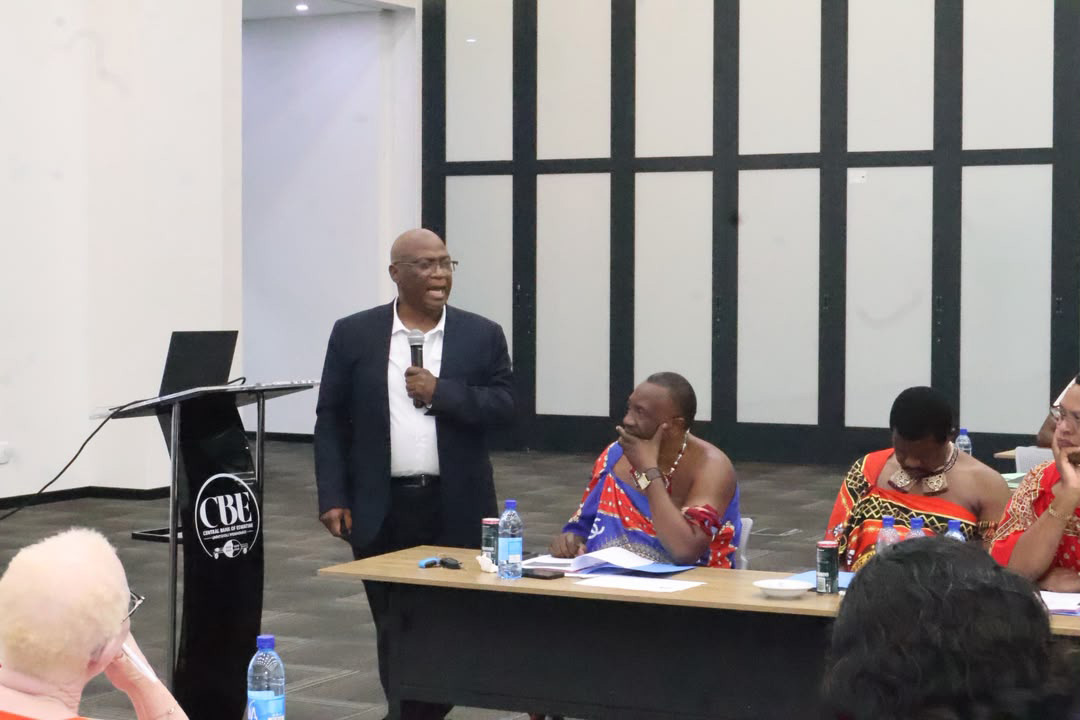
The issue dominated discussions when YERF presented the Youth Enterprise Revolving Fund (Amendment) Regulations, 2026, to members of the Senate Finance Committee at the Central Bank in Ezulwini.
Senators raised concerns that the charges imposed by some chiefs were placing an additional financial burden on young people seeking funding to establish or grow businesses, with some already struggling to access land and other resources.
The committee heard that while some traditional authorities charge as much as E3 000 for an umphakatsi stamp, chiefs in the Shiselweni Region had agreed on a standard fee of E50. However, it was reported that some chiefs were not complying with the agreed amount.
YERF Chief Executive Officer Mandla Nkambule said the stamp fees were undermining the fund’s efforts to finance young entrepreneurs, with hundreds of applications currently stalled because applicants could not afford the charges. “Hundreds of applications are currently stalled because of this issue. Some families do not have the money to pay for the stamp. They are applying for the loan because they need the money; as a result, the burden then falls on the parents and some of them are destitute. Their children starting businesses is sometimes the only way out,” he said.
Nkambule clarified that the concern was not about discouraging young people from respecting traditional authorities, but about establishing a uniform fee that would make the process predictable and affordable.
He said the stamp was also a way for young people to demonstrate their allegiance to their chiefs through kuhlehla, but argued that the amount payable should be standardised nationwide. “We want them to be known in their communities. Our request is that the fees be standardised so that we know how much they have to pay nationwide,” he said.
Nkambule also questioned why young entrepreneurs should bear the consequences of disputes or problems involving their parents. “Can those sins be carried by the parents and not pass down to their children? We cannot punish them for their parents’ sins,” he said.
The concerns followed testimonies by three young entrepreneurs who outlined the difficulties they faced while trying to establish and sustain their businesses.
Njabulo Dlamini from Ntondozi told the committee that high stamp charges were among the obstacles preventing young people from accessing opportunities, including land in their communities. He proposed that government make land available in all four regions for young entrepreneurs, particularly those interested in farming. Dlamini said land in his area had been taken away, leaving him struggling to repay his YERF loan.
Sicelo Mnisi, a vegetable farmer from Shewula, said young people had the ability to establish viable businesses if given opportunities and access to markets. “The issue of umphakatsi stamp is a major contributor to our failure as the youth,” he said. Mnisi said family disputes had also affected his business after he lost access to land he had been using to grow crops. He said he was now without land for production.
The testimony prompted Senator Chief Zabeni to question whether YERF accompanied applicants to traditional authorities when land was allocated, particularly given reports of land being taken away from entrepreneurs. “I do not think anyone has a right to grab land that was allocated by a chief as that one belongs to the King,” he said. In response, Nkambule acknowledged gaps in the existing system and said YERF currently used a land rights form when processing applications. He proposed that the fund should engage traditional authorities directly in communities to help secure land allocated to young entrepreneurs and prevent it from being taken away.
The issue of stamp fees also prompted explanations from senators who are traditional leaders. Senator Chief Zabeni said an umphakatsi stamp would ordinarily cost E50, explaining that traditional authorities were not provided with stationery, including ink and paper, by government.
He said the charges were intended to help traditional offices raise funds to cover these expenses. Senator Chief Ngangabani also said chiefs in the Shiselweni Region had unanimously agreed that the stamp fee should be E50, although some were not adhering to the arrangement. He said measures were needed to address those who charged amounts above the agreed fee.
Senator Chief Ngome acknowledged that imiphakatsi needed public contributions to purchase stationery but said young entrepreneurs were already disadvantaged because many lacked land and money. “The struggles begin back home most of the time,” he said. Senator Stukie Motsa questioned whether chiefs charging excessive fees and allowing young people’s land to be taken away were acting in line with the country’s development aspirations.
She said His Majesty King Mswati III had called on chiefs to work towards the betterment of the country. “His Majesty implored all of us to work for the betterment of the country. It is disheartening to learn that some youths have their land taken and such steep charges imposed on them. My question is, isn’t this a way of fighting against His Majesty by not complying with his directive?” she asked. The discussion highlighted concerns about the financial and administrative barriers facing young entrepreneurs before they can access business financing, with senators and YERF calling for greater consistency in the charges imposed by traditional authorities.