EZULWINI – Eswatini has been evaluated to be 52 per cent ready for a potential Ebola outbreak, reflecting a moderate level of national health security preparedness.
This is according to the Ebola Assessment Checklist that was conducted by the Ministry of Health. The Ebola Assessment Checklist comprehensive national assessment evaluates multiple institutional systems, identifying high-performing areas alongside vulnerable gaps that require urgent remedial action.
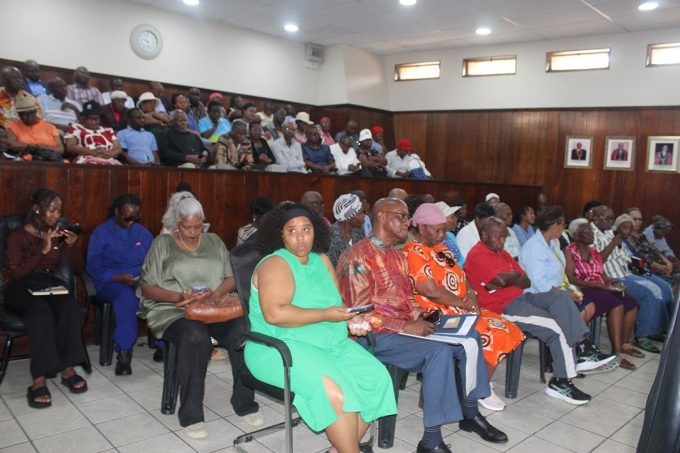
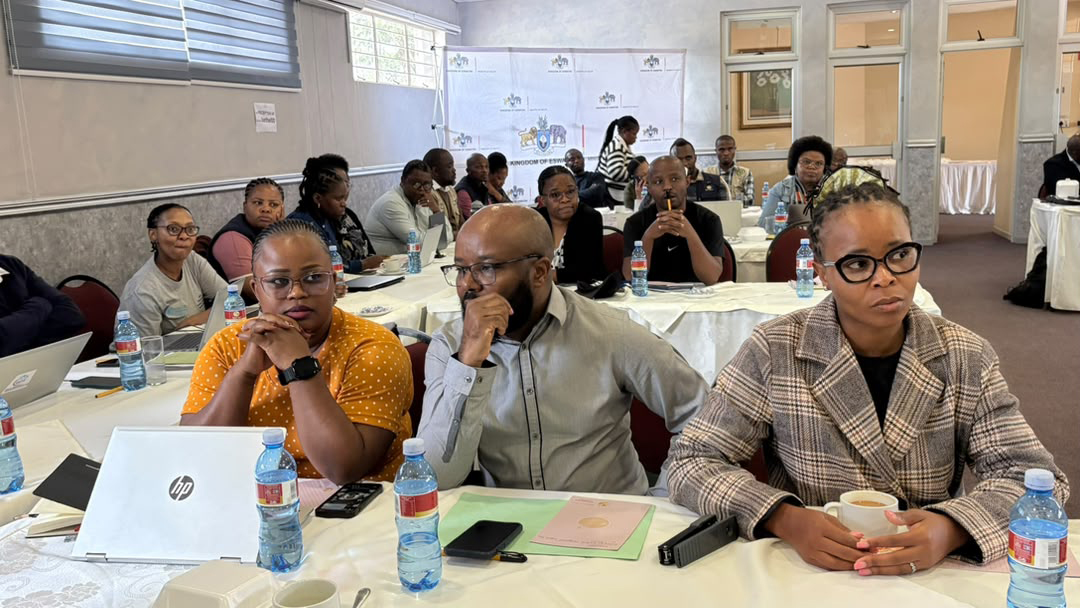
Yesterday, the ministry through the Public Health Emergency Operations Centre hosted an Ebola Tabletop Simulation at Bethel Court Vineyard which brought together different stakeholders. The simulation formed part of the country’s efforts to strengthen preparedness for potential public health services.
Ebola Virus Disease (EVD) is a severe, often fatal illness caused by orthoebolaviruses, typically introduced into human populations through close contact with infected wild animals like fruit bats and non-human primates, and subsequently spread via direct contact with the bodily fluids of infected individuals. The threat of cross-border transmission has been starkly highlighted by severe regional epidemics, most notably in the Democratic Republic of the Congo (DRC) which has faced multiple historical outbreaks, including a massive epidemic originating in 2018 that resulted in 3 470 cases and 2 287 deaths, as well as a subsequent devastating surge recording over 9 400 cases and more than 4 500 deaths across multiple affected provinces. Even this year DRC has continued to record new cases of Ebola.
Addressing the strategic measures in place, Dr Shabangu explained that the Ministry of Health operates under the proactive principle that diseases can easily arrive and cross borders unexpectedly. He mentioned that the potential for the virus to travel via human movement, as seen in past regional spillovers, underscores why nations like Eswatini maintain heightened vigilance, robust laboratory testing capabilities and active emergency preparedness frameworks to prevent localised introductions from escalating into widespread national crises.

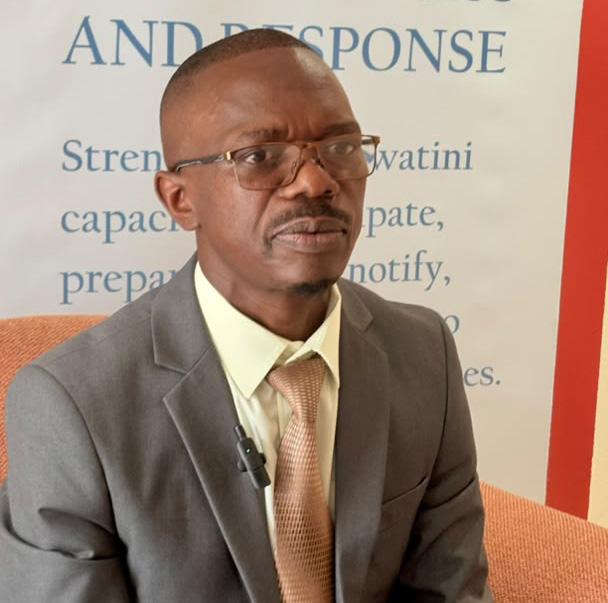

He said to counter this, the ministry works closely with international partners like the African Union and Africa CDC through a multi-country approach, ensuring local personnel receive continuous training to handle potential emergencies.
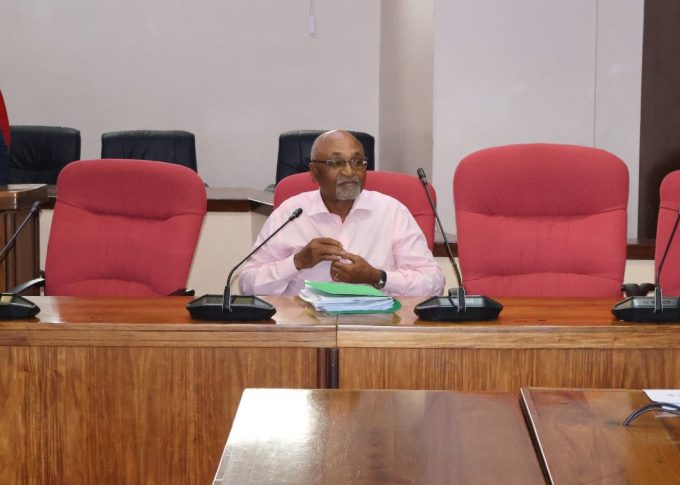
Acting Deputy Director of Public Health Dr Adman Shabangu, alongside Director of Emergency Preparedness and Response Dr Masitsela Mhlanga, noted that the health sector continues to coordinate multi-sectoral strategies to safeguard the nation.
The readiness assessment categorises preparedness domains into distinct performance levels, identifying four areas exhibiting high readiness within the 70 per cent to 100 per cent threshold.
Specifically, contact tracing leads with an 86 per cent readiness rating, followed closely by laboratory capacities at 85 per cent and rapid response teams performing strongly at 70 per cent. Moderate readiness areas span across epidemiological surveillance at 58 per cent, public awareness at 50 per cent, travel points of entry at 50 per cent, coordination at 46 per cent, case management at 45 per cent and logistics at 40 per cent.
Despite these operational capabilities, the assessment highlights three critical gap areas requiring immediate intervention, categorised under three areas where immediate action is needed. Infection prevention and control currently records a low readiness of 25 per cent, while safe and dignified burials and health services continuity both record zero per cent. Public health authorities use these findings to ensure that relevant institutional frameworks, buffer stocks of personal protective equipment and multi-country approaches are fully utilised to address these vulnerabilities before any potential health emergency arises.
Dr Shabangu assured that Eswatini stands fully prepared and equipped to respond swiftly and effectively, should the country record any cases of Ebola.
Dr Shabangu highlighted that all key departments and sectors, including port health teams, incident reviewers and laboratory networks are fully integrated to manage a coordinated response.
He stated that points of entry are closely monitored to prevent the virus from entering silently across borders.
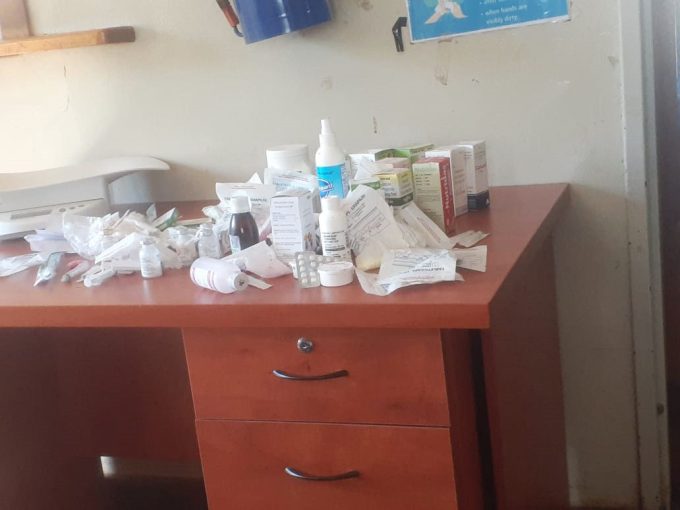
Dr Shabangu further stated that the health sector maintains an active Infection Prevention and Control (IPC) unit alongside a dedicated buffer stock of PPE equipment and government emergency medical supplies.
“We are fully prepared, and our simulation assessments and operational systems are in place to support and protect the nation, should any health emergency arise,” Dr Shabangu affirmed.