

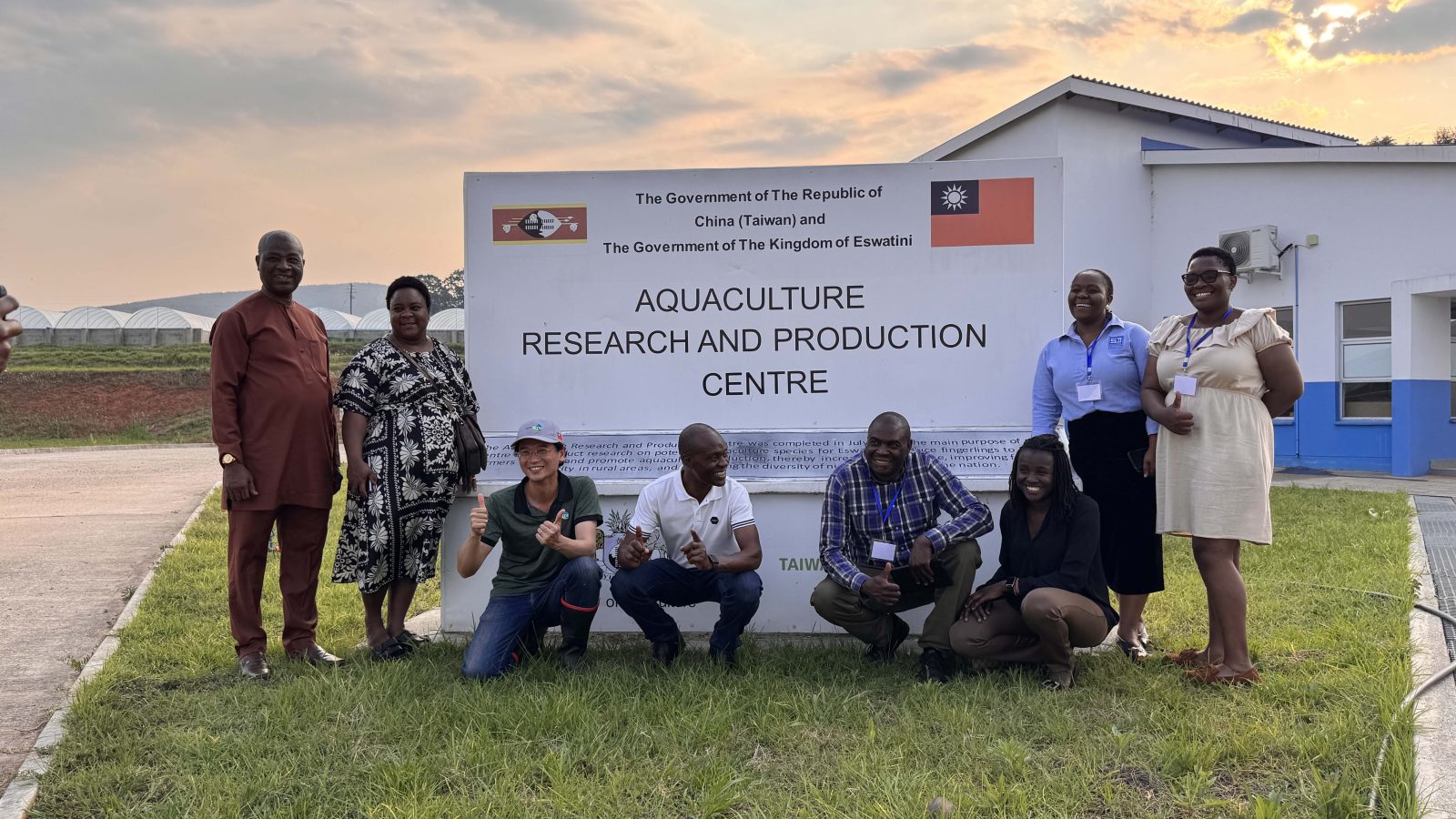
Eswatini is stepping up efforts to reduce its dependence on imported fish through expanded aquaculture production, with the Taiwan Technical Mission (TTM) and the Ministry of Agriculture promoting improved fish-farming technologies, including cage culture.
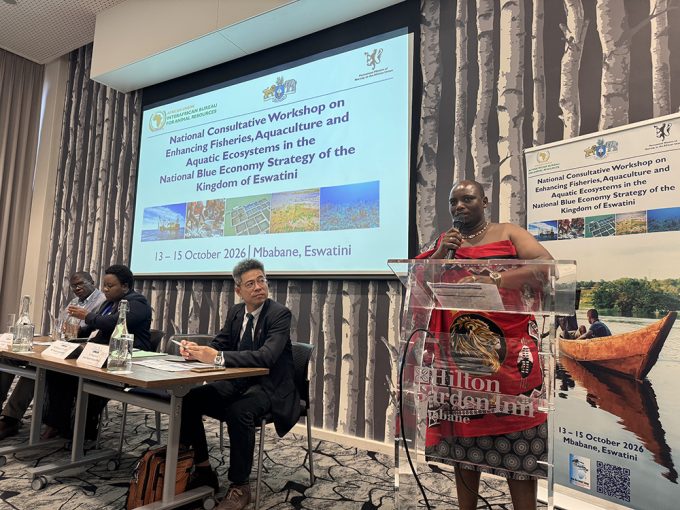
The initiative was highlighted during a three-day National Consultative Workshop on Enhancing Fisheries, Aquaculture and Aquatic Ecosystems under the Blue Economy Strategy, which opened on October 13, 2026, at the Hilton Garden Inn. Organised by the Ministry of Agriculture in collaboration with the African Union (AU), the workshop brought together stakeholders to discuss the future of fisheries and aquaculture.
The ministry acknowledged TTM’s long-standing technical assistance, particularly its support to the Aquaculture Centre through fish breeding, fingerling production and improved farming techniques. The centre is expanding production to include tilapia, carp and African catfish, which will be made available to local farmers to strengthen domestic supply.
REDUCING DEPENDENCE ON IMPORTED FISH
During the workshop, Acting Principal Secretary in the Ministry of Agriculture, Nhlanhla Motsa, highlighted the country’s reliance on imported fish products, noting that approximately 90 per cent of fish consumed in Eswatini is imported.
To address this dependence, TTM and the ministry are promoting cage culture to expand production in suitable water bodies and support the development of commercial aquaculture.
Through technical guidance and practical demonstrations, farmers are being equipped with skills to adopt improved production methods and meet growing domestic demand. Expanding aquaculture could also create opportunities for agricultural diversification, commercial enterprise development and job creation.
AFRICAN UNION DELEGATION VISITS AQUACULTURE CENTRE AND COMMERCIAL FISH FARM
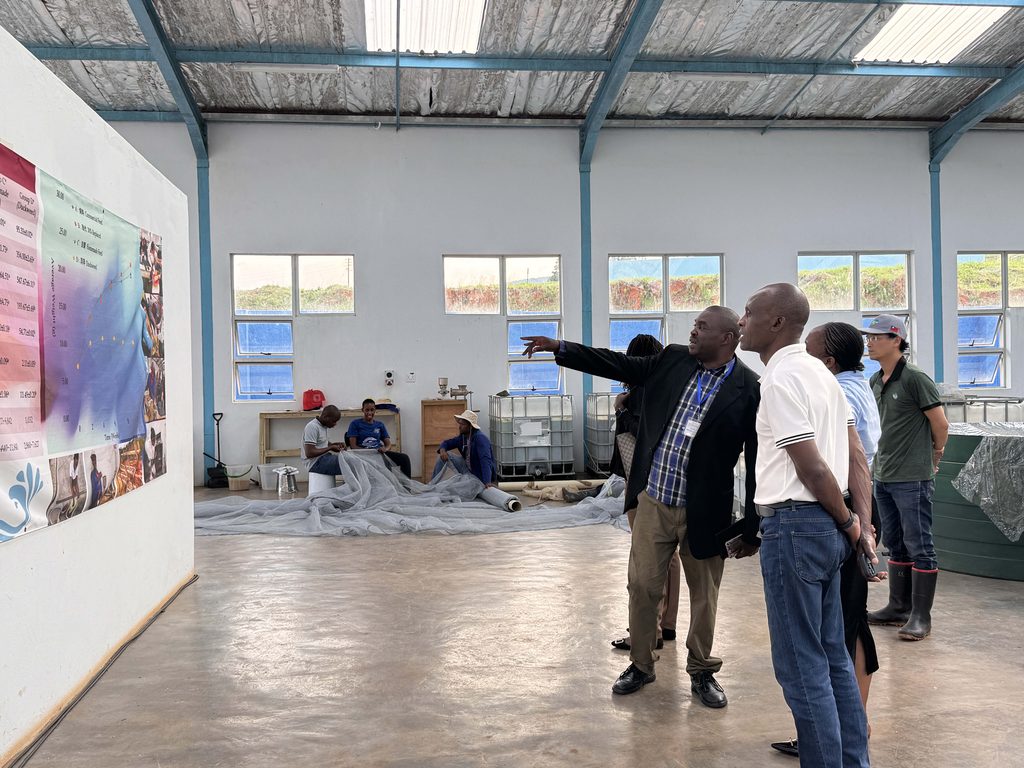
On October 15, 2025 four representatives of the African Union Inter-African Bureau for Animal Resources (AU-IBAR), based in Nairobi, Kenya, visited the Aquaculture Centre to learn about ongoing efforts to strengthen Eswatini’s fish-farming industry.
The delegation also visited Umbane Limited, a commercial cage farm in Malkerns, where they observed how TTM is supporting the transition from subsistence fish farming to commercial production.
At the Aquaculture Centre, the visitors learnt about initiatives to reduce the high cost of commercial fish feed through locally sourced ingredients. Lower production costs could make fish farming more affordable and encourage greater participation by local farmers.
They also observed water-quality monitoring instruments designed to transmit real-time data directly to farmers’ devices, enabling timely interventions to maintain suitable conditions for fish growth and survival.
The visits demonstrated practical interventions addressing major industry challenges, including feed costs, water-quality management and the expansion of commercial production.












Leave a comment