Taiwan is recognised as one of the world’s top 21 economies, known for its advanced high technology and semiconductor capabilities. It produces over 90 per cent of the world’s most advanced semiconductors that are used in electronic devices.
Yet, the world denies Taiwan recognition as an independent State. Mainland China considers the island country as part of its territory and has used its global influence to block Taiwan from joining the United Nations. Today, Eswatini stands as Taiwan’s only remaining diplomatic partner on the African continent, guided by our foreign policy of ‘a friend to all and an enemy to none’.
If there is one person who seems to understand the value of this special relationship dating back to 1968 and what it means for everyday life in Eswatini, it has to be the King.
He must appreciate the quality of the friend we have, as this is a country that has worked hard to create immense wealth for itself and develop technological expertise that is now the envy of the world.
Taiwan is the country that the King has entrusted to deliver yet another mega-project to the kingdom: The Industrial Parks project costing in the region of E6 billion. The Taiwanese Government has pledged to develop a E6 billion industrial park in the kingdom to boost economic growth, innovation and job creation, among other benefits.
Speaking at the Entrepreneur of the Year Awards on Wednesday evening, His Majesty called on the local business community to invest in industrial parks across all four regions. These regional parks must be designed to complement the massive E6 billion industrial park, for which land has already been allocated.
The King emphasised that this investment is crucial for addressing Eswatini’s severe unemployment crisis.
It is easy to doubt such big plans, but history shows that His Majesty has never been afraid to dream boldly and act unconventionally. Critics sneered when the First World Vision was declared at a time when Eswatini was merely aiming for upper-middle-income status, but the infrastructure landscape of this country is highly rated in the region.
Doubts grew as the Millennium Development Projects kicked off, but they now serve a very useful purpose to many. Local planners openly questioned why double lanes were needed on the Mbabane-Manzini dual carriageway when there were so few cars on the road, but the King insisted on the double lanes. Today, that very roadway is so busy it requires further expansion.
Similarly, projects like the King Mswati III International Airport and the state-of-the-art International Convention Centre faced heavy criticism, yet today they position Eswatini to bid for major international conferences, diplomatic summits and global tourism. Yes, some went way over budget, but the task now is to make them recover this cost.
The Taiwanese have a long history of impacting the local economy with investments in the manufacturing sector, particularly in textiles and garments. Thousands of women have gained stable employment in Taiwanese-owned factories across industrial hotspots like Matsapha, Nhlangano and Pigg’s Peak.
Beyond factory floors, Taiwan is assisting the country in building a national strategic fuel storage facility that will soon guarantee fuel security for the nation and protect our economy from global energy price shocks that threaten everyday transport and food production. Some parts of Europe are already burning in riots because of this.
The new E6 billion industrial park aims to build directly on this legacy. To succeed, it will require full commitment from several sectors, but government has to set the tone and it can learn how from the Taiwanese.
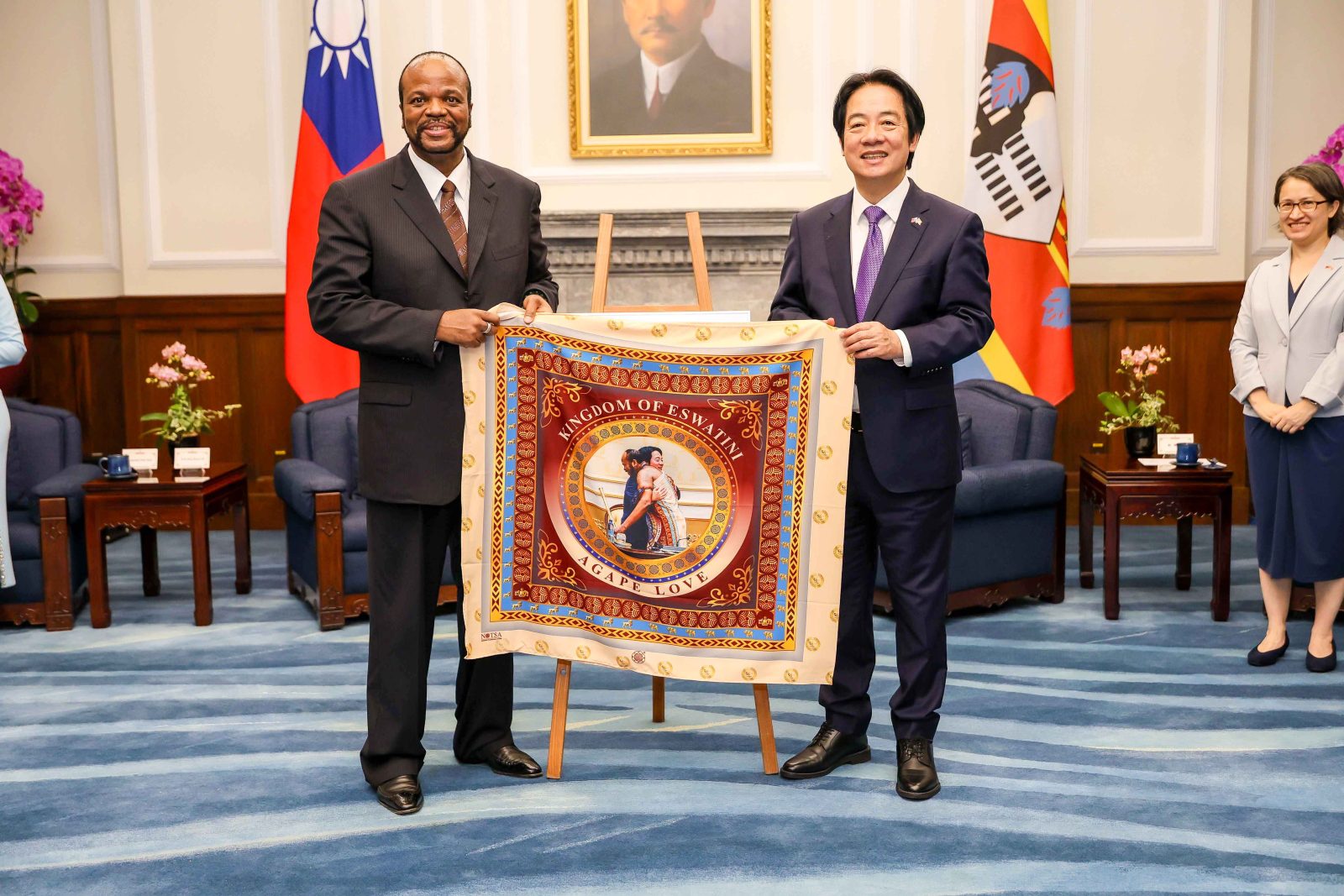
His Majesty’s recent State visit to Taipei offered a clear lesson in the dedication needed to achieve such progress. Arriving in the early hours of a Thursday morning after a long 13-hour overseas flight, the King went straight to work the same day.
The royal schedule included a series of non-stop high-level meetings, visits and strategic roundtable engagements until departure. This tirelessness reflects the famous Taiwanese work ethic of punctuality, relentless discipline, efficiency and zero tolerance for procrastination. These values are what transformed a simple farming island into a global tech powerhouse.
If Eswatini is to reap the full benefits of this project, that same work ethic must take root in every corner of our country, from civil service offices to factory floors and corporate boardrooms.
To make this dream a reality, government bodies and private businesses must work together with the speed of nkwe. Red tape must be cut. The message must be clear: Eswatini is open for business.
Crucially, our people must be prepared for the new opportunities the industrial parks will bring. The tertiary institutions must structure their curricula to teach the manufacturing, electronics and digital skills that incoming companies need.
Finally, whatever growth is derived from these initiatives, it must benefit everyone and be felt directly in the pockets. The capital must circulate inside the domestic economy. Government policies must intentionally incorporate local small and medium-sized firms into the value chain so they can supply building material, transport, logistics, catering, maintenance and other services available locally. Recent reports of the country allowing imports of cement, bricks and related products are disappointing, to say the least and must be stopped.
Now that His Majesty has unlocked the door to a world-class industrial future, what remains is for government officials, industry leaders, civil society and all emaSwati in the workforce to embrace the Taiwanese spirit of discipline, urgency and hard work to turn these prospects into lasting prosperity for all emaSwati. If Taiwan could go from poor to great, despite its size and global exclusion, why can’t we?