

MBABANE – The Eswatini Copyright and Neighbouring Rights Society (ESWACOS) is calling on filmmakers, book writers and poets to register with them.
ESWACOS is an umbrella Collective Management Organisation (CMO) in Eswatini dedicated to safeguarding and advancing the economic interests of copyright holders across various creative industries. ESWACOS operates under the mandate granted through the Copyright and Neighbouring Rights Act, No. 4 of 2018, which establishes ESWACOS as the sole organisation responsible for the administration of copyright and neighbouring rights in Eswatini. Their mission is to generate substantial economic value for rights holders, both domestically and internationally, through comprehensive registration and licensing of their works. They are responsible for the collection and distribution of royalties, ensuring that creators receive fair compensation for the use of their works.
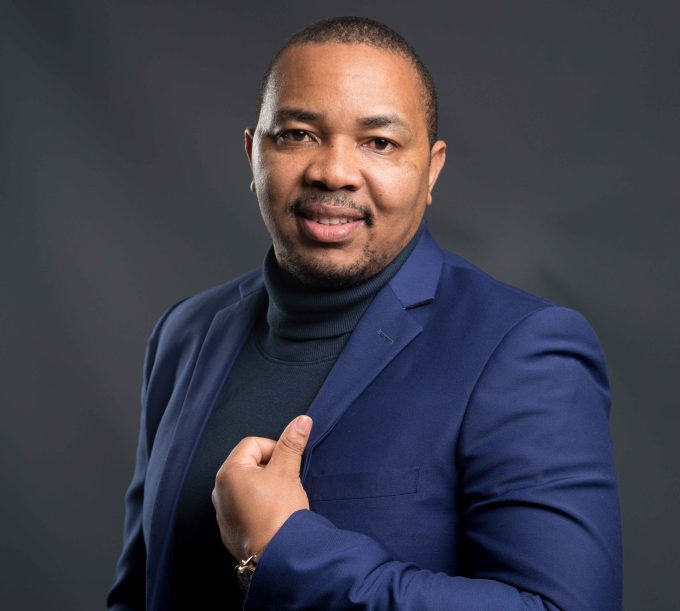
ESWACOS Executive Producer, Mmeli Hlanze, has revealed measures they have in place to ensure that filmmakers, writers and poets are protected. “ESWACOS exists to protect and administer rights on behalf of creators in various creative industries, especially those whose works are being commercially exploited or used in public. The conversation tends to revolve around music, but ESWACOS protects authors, performers and producers in film and literature as well. The first mechanism for protection is registration and membership. We invite film producers, writers, publishers to come and register with ESWACOS, so they form part of our database and the works are on our registry. This ensures that ESWACOS knows exactly whose rights it represents and can track works effectively, because we cannot protect what is not known to us. Secondly, we have licensing agreements which we will sign with various users of copyrighted works (such as broadcasters, streaming platforms and event organisers) to ensure legal use and payment of royalties. These agreements will cover various modes of usage relevant to film, literature and music, to ensure that creators are compensated. Lastly, we are supported by a strong legal framework, the Copyright and Neighbouring Rights Act of 2018, that recognises and enforces authors, producers and performers rights and mandates royalty payment for usage,” Hlanze said.
He further revealed how registering with ESWACOS will benefit these creatives. “There are several ways in which rights holders can benefit by registering to be members with ESWACOS. Firstly, ESWACOS ensures that members receive copyright royalties for the use of their works locally and internationally. Secondly, ESWACOS helps to enforce Members rights against unauthorised use of their works. Thirdly, ESWACOS handles the licencing of works, negotiations and collection of license fees on behalf of members. Fourthly, ESWACOS gives its members access to grants and funding support through the Development Fund and Social Welfare Support Programmes. ESWACOS provides its members with training support on copyright management and monetisation of their work,” he said.
With the growing film industry and book publishing in the kingdom, he said joining ESWACOS is a way for creatives to participate in building a sustainable and vibrant creative community in Eswatini, where their work is respected and rewarded. “Registration provides access to a network of fellow creatives, industry updates and educational resources that can help members develop their careers in whether film, literature, music and creative industries. If you’re serious about the business side of creativity then one has to register with ESWACOS. Those who are interested in registration can email us on documentation@eswacos.org.sz, call or WhatsApp us on 7602 4199 or visit our offices in Mbabane at the Embassy House building on Gwamile Street for assistance. We will soon be launching an online registration platform that will enable remote registration as well,” Hlanze said.
In South Africa, filmmakers, poets, performers and book writers register with Dramatic, Artistic and Literary Rights Organisation (DALRO), which manages rights for books, including collecting and distributing royalties for things like reprography (copying) and performance. They can also become members of the Writers Guild of South Africa (WGSA), an industry body that can help writers with their rights and provide guidance.







Leave a comment