

MBABANE – Government is clamping down on informal daycare centres, following a surge in abuse, the spread of contagious diseases and deaths.
A daycare centre is defined by the United Nations Children’s Fund (UNICEF) as any premises used for the admission, protection and temporary or partial care of children more than three years away from their parents. This definition applies whether the centre is for profit or not for gain. Informal daycare centres may admit babies, toddlers and/or pre-school aged children.
The term includes a crèche, daycare centre for young children, pre-school, home-based programmes with fewer than six children run by day mothers and child minders and/or play groups.
The abuse, death and poor health of some minors cared for in these centres have dominated media reports. The latest incident is the sad death of a 10-month-old toddler.
The minor passed away in her sleep at a daycare centre at KaKhoza, Manzini, on Sunday morning around 5am. Her mother was shattered after finding her daughter lying unconscious on a mattress at the centre. This incident follows the arrest of a daycare operator on suspicion of assaulting a sickly 22-month-old child who was left in her care at a centre called Corporation Daycare, Mbabane.
Sibongile Mkhonta (47) was charged with contravening Section 48(1) of the Children’s Protection and Welfare Act of 2012. This legislation aims to safeguard children from abuse, harm and neglect.
Reports state that Mkhonta was entrusted with the minor’s custody when she allegedly assaulted him by open-handedly striking his back. At the time of the incident, Mkhonta had been informed the child had been to hospital. When questioned, Mkhonta, who is also a healer, told the court the child refused to eat and kept vomiting when she attempted to feed him. She pleaded for the court’s leniency and promised not to commit the offence again. The need for child minders, particularly by working mothers, has led to a rise in the informal daycare economy countrywide. Enterprising individuals offer to take care of babies for a number of hours during the day for a fee.
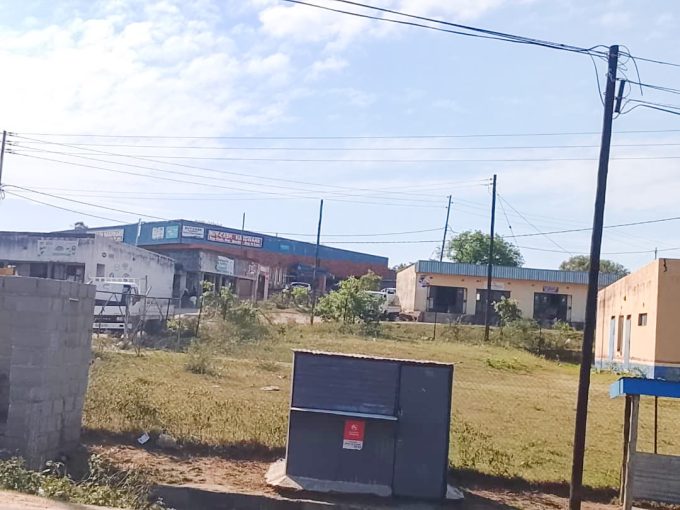
These informal daycare centres are mostly located in peri-urban areas and informal settlements. Most community members in these areas are employed in low-income sectors.
These sectors include retail, textile firms and hairdressing salons. Some employees choose these centres because they are cheaper.
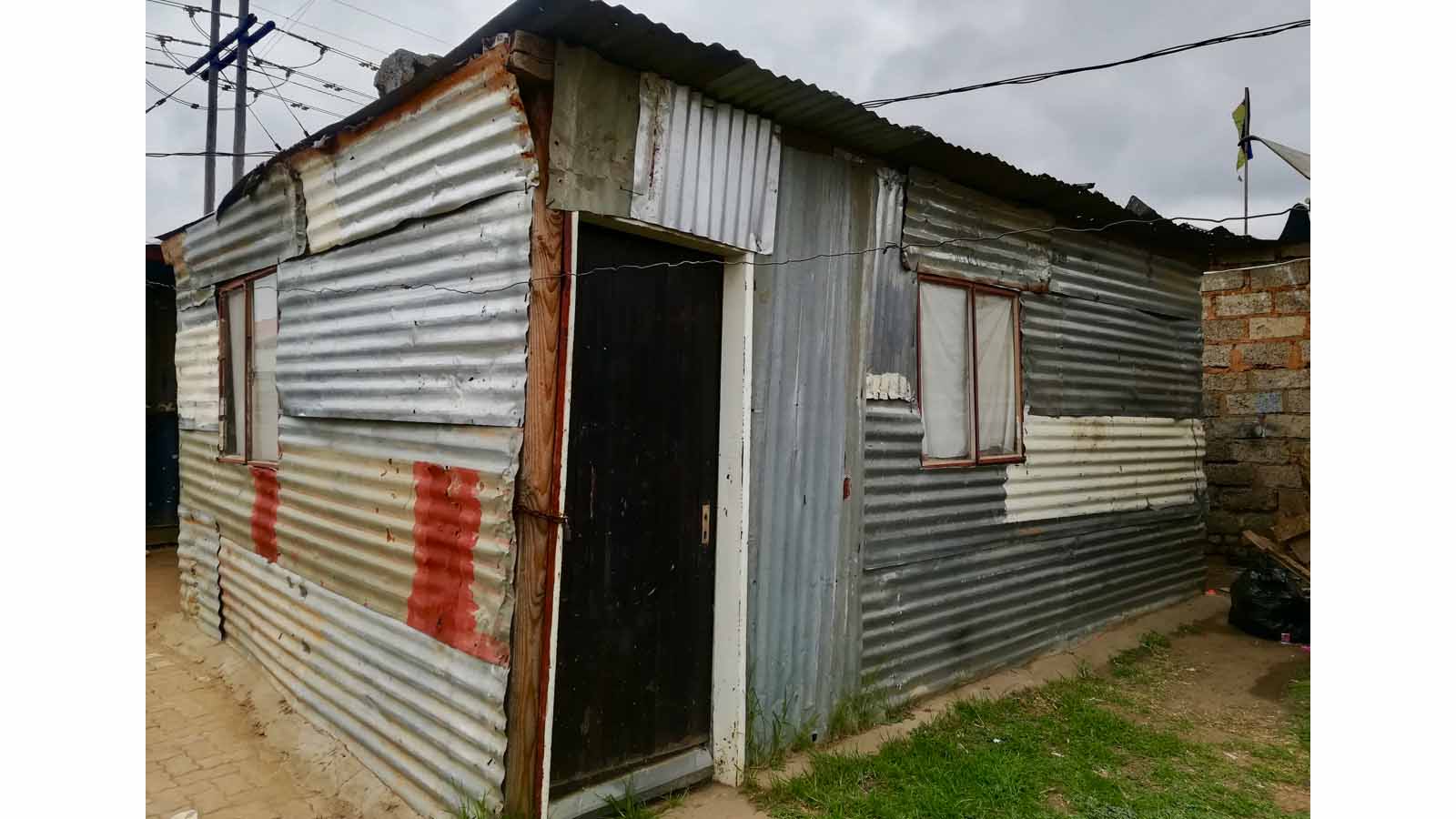
They are typically one-room flats, popularly known as titimela, which in some cases, the operator also lives in. Alternatively, they may be two-bedroom flats with a similar set-up. Some accredited facilities may charge up to E2 500 per month, depending on their offering and the hours the child will be kept at the centre.
This is in sharp contrast with those that operate illegally, which charge as little as E350 per month.
*…
Daycare centres show serious child safety gaps
MBABANE – Child security is generally weak in daycare centres, which presents a risk to children, according to a report.
A situational assessment of the informal daycare centres in Manzini, which was conducted by Siphilile and supported by the United Nations Children’s Fund (UNICEF), states there are severe deficits in child welfare, a lack of staff qualifications and basic safety standards.
Informal daycare centres surveyed were located in Manzini, Matsapha and Malkerns. Some alarming findings concern the health and the environment provided to children at these centres. The report’s findings indicate that safety and hygiene practices across the informal daycare centres are deficient, increasing the risk of injury and illness.
Some facilities reportedly had exposed electricity wires or cables—a major hazard to people, especially children—which were observed in eight per cent of the visited centres.
Furthermore, only 30 per cent of the informal daycare centres were fenced and of those, less than half (44 per cent) had lockable gates.
Another challenge found during the assessment was that overall hygienic practices were poor.
*…
Study urges municipal caregiver standards
MBABANE – “Work with local municipalities to educate caregivers on minimum infrastructural standards,” the report recommends.
The report on the Situational Assessment of the Informal Day Care Centres (IDCCs) in Manzini, Matsapha and Malkerns recommends that minimum standards should be set to address the critical deficiencies, focusing on caregiver competency, child welfare, infrastructure and policy.
It is also recommended that security shortfalls should be addressed to strengthen weak security measures, such as the lack of fencing and lockable gates, which currently present a risk to the children. Furthermore, it is recommended that caregivers should be trained on Water, Sanitation and Hygiene (WASH) practices, including proper waste disposal and ensuring clean utensils and equipment are used.
*Full article available in our publication















Leave a comment