

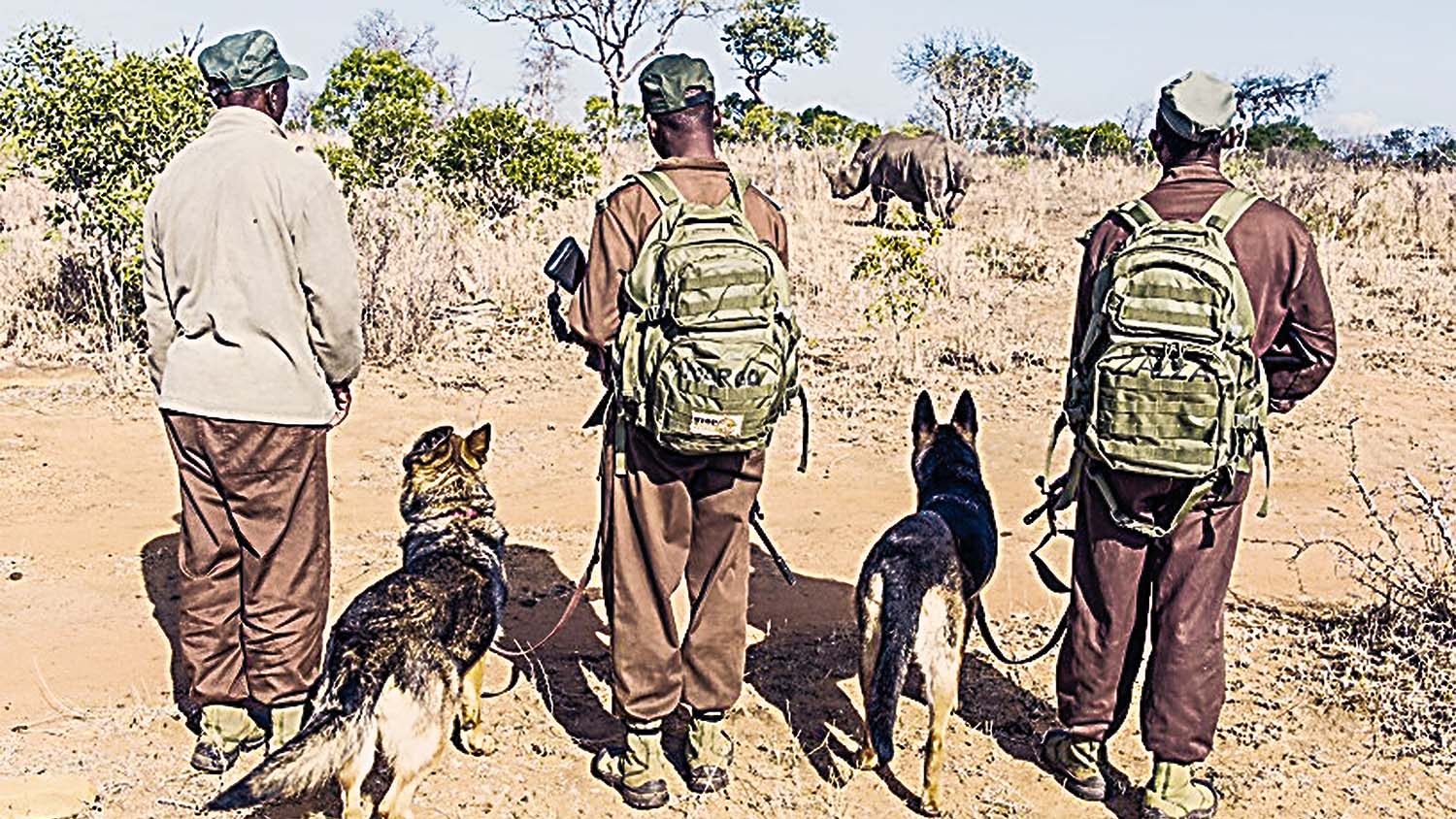
MBABANE – In addition to gender-based violence (GBV) or dagga-related wars, there has been another kind of violence, poaching wars.
This is after four people were shot in what authorities describe as separate, but related confrontations linked to suspect poaching in the Lubombo Region. The shootings, which occurred between Thursday and the weekend, have raised urgent national questions about the scale of illegal hunting, the dangers faced by conservation officials and the growing social pressures driving individuals into increasingly risky encounters with wildlife law enforcement.
The Big Game Parks (BGP) has now issued a strong national appeal for restraint as communities navigate the festive period, which authorities say has seen a spike in poaching attempts.
The first shooting near Mkhaya Game Reserve near KaShoba, where a man suspected of poaching was reportedly wounded during a confrontation with game rangers. According to early reports, rangers attempted to arrest the man, who allegedly resisted, resulting in a gunshot wound before he was rushed to hospital.
While full details remain under investigation, the confrontation has already revived long-standing concerns about the dangers faced by rangers in remote conservation areas and the heightened aggression that tends to accompany festive-season poaching attempts.
A second shooting was reported at the Tibiyo Farm near KaShoba, where a man was shot under circumstances that remain unclear. Unlike the Mkhaya incident, the wounded man was not found with game meat or weapons, but he was reportedly accompanied by dogs, raising community speculation about whether he had been hunting.
Residents who spoke to journalists claimed that the man had been seen walking through the forested area with dogs, which they interpreted as a sign of possible hunting. However, police have urged caution, noting that many residents pass through such areas for legitimate purposes. Assistant Superintendent Nosipho Mnguni, the Deputy Chief Police Information and Communications Officer, stated that the matter could not definitively determined at this stage.
It was gathered that residents often entered the forested areas in search of firewood or when moving between homesteads. At the time of compiling this report, police investigators were still working to establish what the man was doing on the farm at the time of the incident.
*…
… demand for game meat high during festive
MBABANE – The festive season is said to be driving the increased cases of poaching.
Jubela Reilly, who is also the Chief Game Ranger of BGP said while investigations were ongoing, early indications were that the cases reflected the sharp rise in poaching attempts commonly seen during the festive period.
He explained that demand for game meat and bush products tends to increase in December, creating pressure on vulnerable communities and tempting individuals to engage in illegal hunting despite the major risks involved.
According to Reilly, this pressure requires enforcement agencies to increase vigilance, particularly in areas where wildlife is abundant and where past incidents suggest poachers are active.
Reilly emphasised that despite the location of the incidents in the Lowveld, the implications extend far beyond the region.
He noted that Eswatini’s conservation laws apply across the entire country, not only within designated reserves. The Game Act protects wildlife nationally, and hunting is strictly regulated, especially during closed seasons.
Reilly explained that the current period follows the end of Butimba, which means hunting is prohibited on all land, including communal, private and Tibiyo properties.
Even during open season, he stressed, anyone wishing to hunt on Tibiyo land must obtain written permission from the landowner before applying for a permit.
These regulations, he said, are critical for preserving wildlife populations and ensuring sustainable management of the country’s natural resources.
*Full article available in our publication
















Leave a comment