

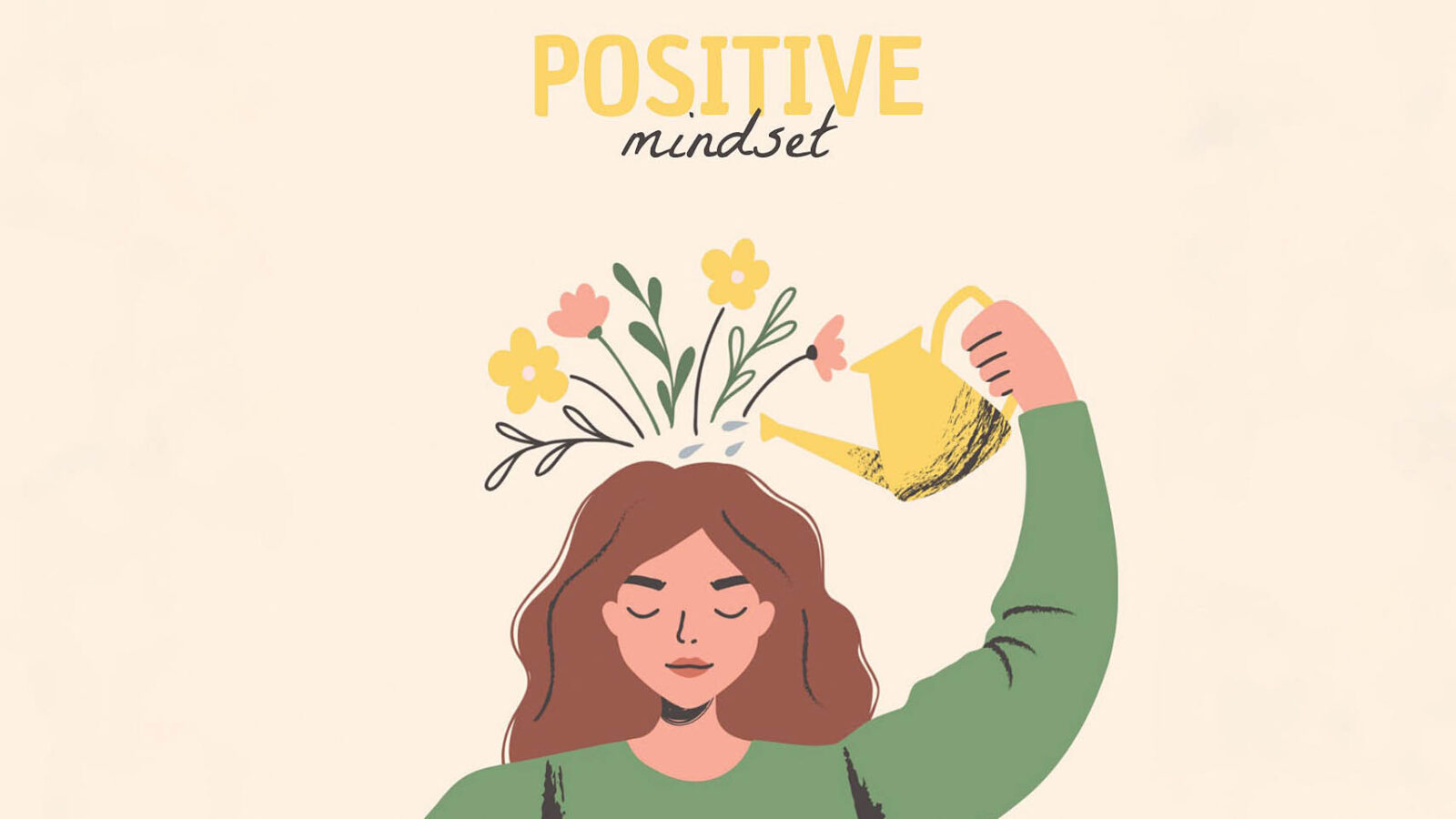
As the calendar turns to 2026, we find ourselves at a unique crossroads of human potential and technological evolution. In a world increasingly defined by rapid shifts, where AI is a standard partner and the pace of life feels faster than ever, the most valuable asset you possess isn’t your skill set or your network. It is your mindset. Challenging your mindset is not about forced cheerfulness; it is about cognitive reframing, the deliberate act of shifting your internal lens to see opportunities where others see obstacles. Here is how to architect a positive mindset for the year ahead.
1. Shift from achievement to alignment
In previous years, the narrative of success was often driven by relentless output. For 2026, the trend is shifting towards alignment over achievement. A positive mindset begins with the realisation that productivity without purpose leads to burnout.
Instead of asking, ‘How much can I get done?’ challenge yourself to ask, ‘Does this action reflect my core values?’ When your daily habits align with your personal ‘why’, your brain rewards you with a steadier sense of fulfilment that outlasts the fleeting high of a completed to-do list.
2. Practice the catch, check, change method
Negative thoughts are biological survival mechanisms, but they don’t have to be your master.
To think positively in 2026, you must become an active jury for your own thoughts:
Catch it: Notice when you say, ‘I can’t do this’ or ‘This year is already too stressful.’
Change it: Reframe the statement. Instead of ‘I’ve never done this before’, try ‘I get to learn something new today.’ This simple linguistic shift moves you from a state of threat to a state of curiosity.
3. Embrace mental recovery
In an ‘always-on’ digital landscape, a positive mindset requires a rested brain. Psychology now emphasises that rest is a productivity tool, not a reward for work. By integrating five minute breaks away from screens every hour you lower your cortisol levels. A calm brain is naturally more optimistic and creative than one stuck in a state of chronic high-alert.
*Full article available in our publication



















Leave a comment