

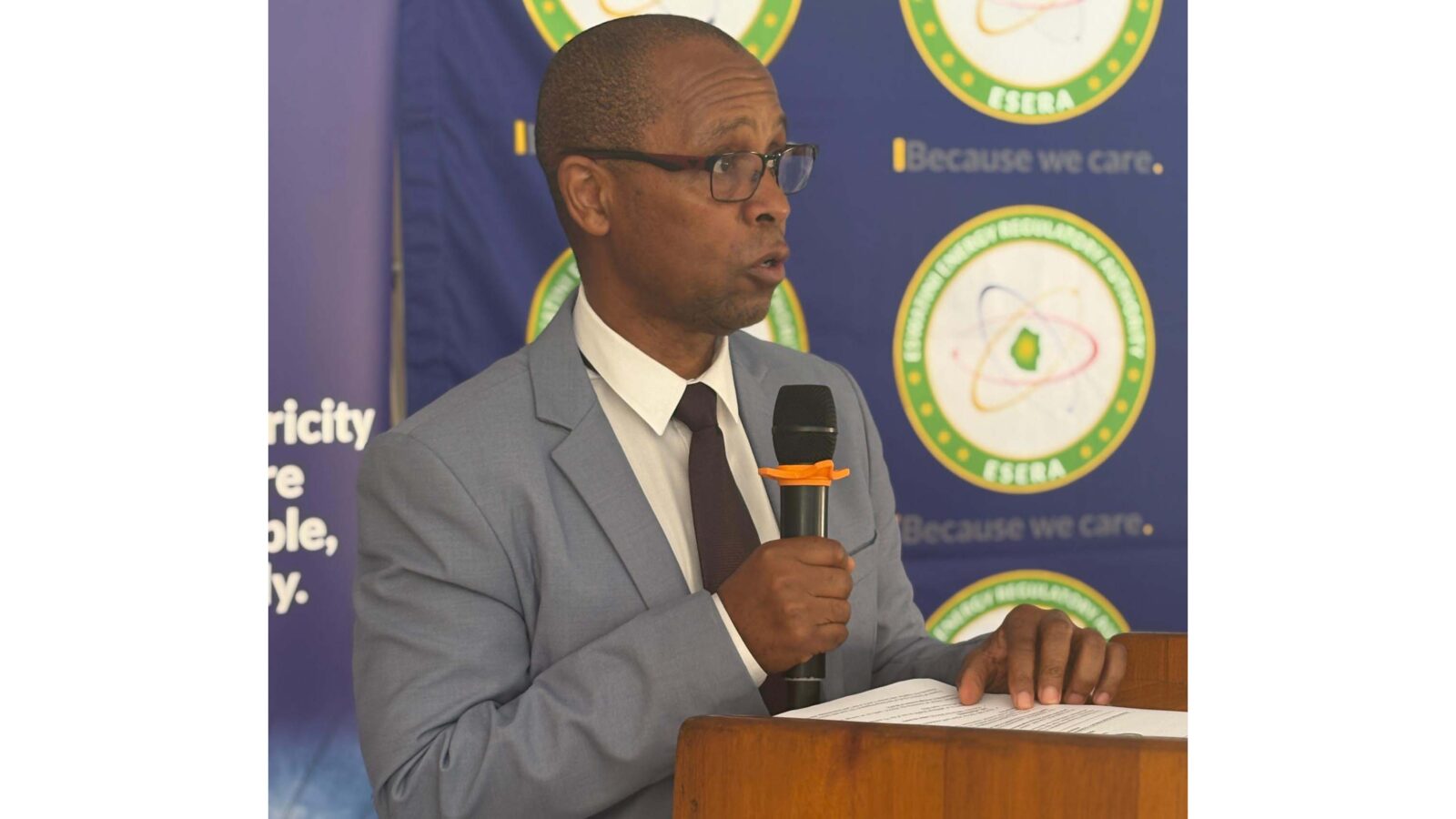
MBABANE – The proposed electricity tariff increase that could see E100 buying as little as 32 units has triggered a wave of public anger on social media.
The Eswatini Energy Regulatory Authority (ESERA) has confirmed that the Eswatini Electricity Company (EEC) has applied for an average tariff increase of 20.67 per cent, citing higher prices under a new power supply contract following the expiry of the previous agreement in September. While the application is still under consideration, the reaction online suggests public patience is wearing thin.
Comments posted on Facebook following reports of the proposed hike reflect widespread dissatisfaction, distrust and fatigue. Many users questioned why Eswatini remains dependent on imported electricity decades after independence, despite having coal reserves and water resources.
“All these years we are still buying from South Africa. Why can’t the country establish its own electricity generation plant?” wrote one commenter, echoing a sentiment repeated throughout the thread. Others directly blamed EEC management, with some describing the utility as inefficient and out of touch with the struggles of ordinary citizens.
A recurring theme was the belief that repeated tariff increases are unjustified, particularly amid perceptions that EEC records large profits annually. Several commenters accused the utility of exploiting consumers while failing to invest meaningfully in local generation capacity. Sarcasm and resignation were also common, with some suggesting the increase would simply fund luxury vehicles for executives.
Beyond anger, the comments reveal a growing sense of hopelessness. Many users said the proposed increase would worsen already harsh living conditions, especially for low-income households facing stagnant wages and rising prices for food, water and transport. “We pay more, get less, and they call it progress,” one user remarked.
There was also a noticeable shift in public discourse towards alternative energy. Solar power featured prominently, with many commenters saying they were considering abandoning the grid altogether. Others suggested the tariff hike would accelerate a return to candles, firewood and paraffin, signalling fears of energy poverty.
While some commenters compared Eswatini’s tariffs favourably with those in South Africa, such views were in the minority. The dominant tone was one of distrust, with several contributors expressing the belief that ESERA would approve the increase regardless of public concern.
A few voices warned of broader consequences. One lengthy comment argued that constant electricity hikes were unsustainable and risked fuelling political instability, particularly as opposition groups increasingly cite rising utility costs as evidence of poor governance.
Some of the Facebook comments:
Facebook user 1: Tjo in Eswatini E100 will buy 32 units tjo no that’s wrong.
Facebook user 2: Hike it by 150 per cent, afterall you do as you please.
Facebook user 3: All these years we are still buying from SA, why can’t the country build or establish its own electricity generation plant? Labo vat and taxes solo akweneli kutsi sakhe kwetfu and sell to other countries. We have coal in abundance to sustain this. Sentiwani simaswati.
Facebook user 4: Let us go back to using gas for cooking.
Facebook user 5: I wonder why ….if EEC needs money for a project, cant the company go public to get investors instead of killing emaSwati… I would gladly put my own cash for EEC shares, why kill the people?
















Leave a comment