

MBABANE – Businesses warn that the approved 13.61 per cent electricity tariff increase will raise production costs and could trigger further retrenchments across key sectors.
The Eswatini Energy Regulatory Authority (ESERA) on Tuesday approved an average electricity tariff increase of 13.61 per cent for the 2026/27 financial year, effective April 1.
Although this is lower than the 20.67 per cent requested by the Eswatini Electricity Company (EEC), industry players say the structure of the increase places significant pressure on energy-intensive sectors.
Corporate energy charges will rise by 17 per cent, while demand charges will also increase by 17 per cent. Facility and access charges will go up by 4.86 per cent. Domestic tariffs will increase by 17.23 per cent, while the lifeline tariff has been limited to six per cent in consideration of vulnerable households.
Manufacturing, which accounts for about 76 per cent of all industrial electricity consumption, is among the hardest hit. Mining and construction are also major industrial users.
The adjustment follows EEC’s application for an additional E437.8 million in revenue, citing rising import costs after renegotiated Power Purchase Agreements, Eskom tariff escalations, NERSA adjustments and an under-recovery in 2024/25. ESERA approved E211.7 million instead, bringing the total revenue requirement for 2026/27 to E3.69 billion.
Mining houses, manufacturers and large-scale farmers say the increase comes at a fragile time for the economy and could accelerate job losses.
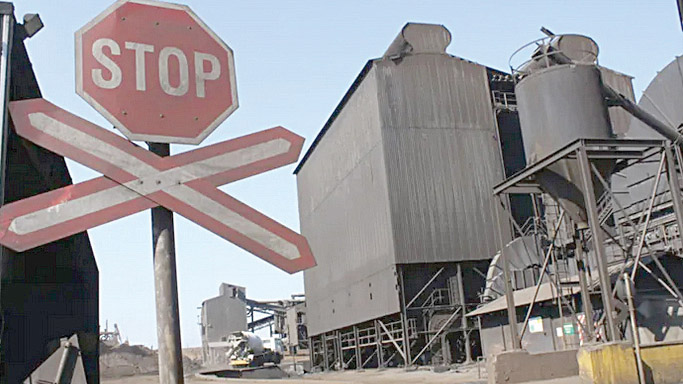
For anthracite coal mines, electricity already costs approximately E45 million per year. A 17 per cent increase translates to roughly E7.6 million in additional annual expenditure.
This comes as coal output fell by 22.7 per cent in the quarter ended June 2025, following a 28.6 per cent drop in the first quarter. The mining sector contracted by 28.9 per cent during the same period, according to the Central Bank’s Recent Economic Developments report.
Demand from South African smelters, historically major buyers of Eswatini’s anthracite coal, has declined sharply amid soaring Eskom tariffs and widespread furnace closures.
Maloma Colliery Limited has already retrenched more than 300 employees and shut one shaft, with the remaining shaft operating on a single shift. Production volumes reportedly dropped from about 30 000 tonnes per month to 10 000 tonnes.
Speaking during stakeholder consultations hosted by ESERA, a Maloma representative said the mine was highly energy-intensive and under significant financial strain.
Across the border, South African smelters are facing similar pressures. Glencore’s ferroalloy operations have indicated that certain smelters can only operate profitably at 62 cents per kWh.
This is despite securing a 12-month interim tariff of 87.74 cents per kWh from NERSA, a rate described as positive but still insufficient for some operations.
*Full article available on Pressreader*

















Leave a comment