

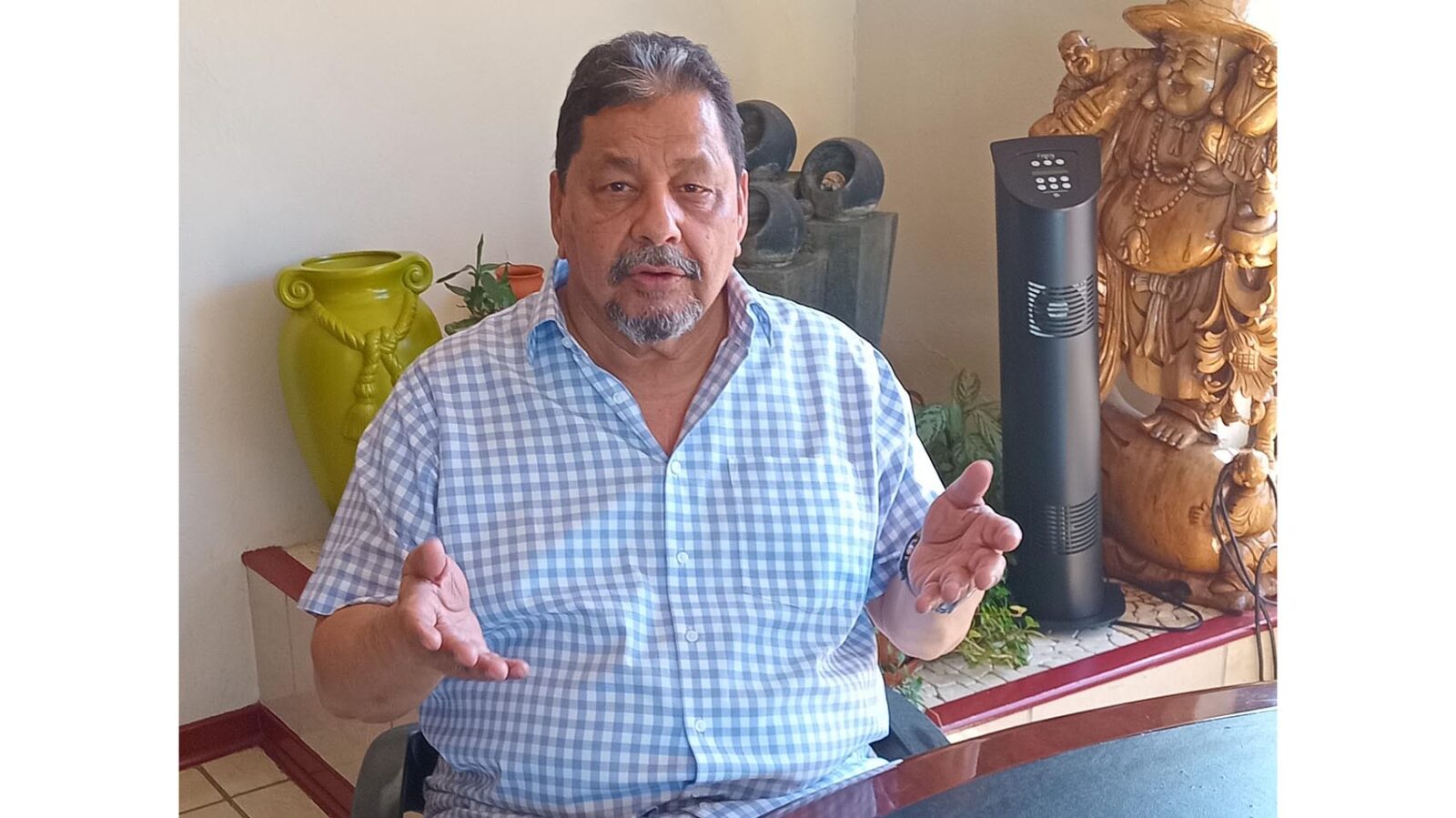
MBABANE – Kareem Ashraff, owner of Swazipharm, has welcomed His Majesty King Mswati III’s directives on the health sector.
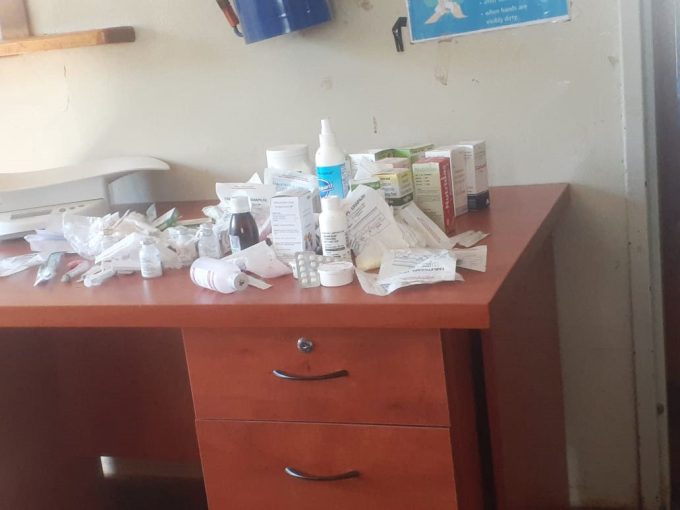
Speaking during the State Opening of the Third Session of the 12th Parliament on Friday, His Majesty King Mswati III directed that drug shortages in the country’s health facilities must come to an immediate end.
Ashraff, in an interview, expressed appreciation for the King’s candid acknowledgment of ongoing challenges in the country’s health sector, particularly the shortage of drugs.
He said Swazipharm fully supports His Majesty’s call for accountability, efficiency and urgency in resolving persistent drug shortages affecting public health facilities.
“We wish to sincerely thank His Majesty for addressing the matter so directly,” Ashraff said.
“The issue of medicine availability is not a mystery. From our perspective, the solution is straightforward: Avail the funds and we will deliver. It is that simple.”
“We have never been blacklisted”
The Swazipharm director addressed what he described as ‘persistent misinformation’ regarding his company’s standing within the public procurement system.
“Swazipharm has never been blacklisted,” he stated. “We have continued to supply and support the public health sector throughout, despite a sustained campaign of false and damaging allegations levelled against myself and the company.”
He said the company has maintained operations and fulfilled obligations even during periods of instability and uncertainty within the Ministry of Health framework.
“It’s time to expose the real culprits of the drug shortages. In a court of law, Swazipharm is ready, everyone seems to keep running away from us, let’s meet in court,” the Swazipharm director insisted.
According to Ashraff, the accusations made against Swazipharm in recent years were ‘salacious and unfounded,’ and were propagated both by what he termed incompetent officials and by certain individuals acting fraudulently, seeking to exploit weaknesses in the accounting and auditing systems for personal gain.
“These actions have collectively caused massive disruption to a health system that was already under strain. The result was a cascading breakdown of mechanisms that, while historically where not perfect, but were at least functioning,” he said.
Acknowledging His Majesty’s concerns about medicine shortages in public facilities, Ashraff reiterated that procurement bottlenecks and funding constraints remain the central issues.
“When funds are made available and procurement processes are allowed to operate professionally, medicines are delivered. When there are delays in funding or attempts to redirect tenders through politically connected intermediaries who lack the capacity to supply at scale, shortages become inevitable,” he said.
Ashraff alleged that over the past two years, tenders had increasingly been diverted to entities without the technical capacity, financial backing or international supplier relationships required to manage large-scale pharmaceutical supply.
“The outcome has been repeated failures to deliver,” he said.
He said healthcare is not an environment for experimentation or patronage as it requires established supply chains, capital strength, regulatory compliance and decades of trusted relationships with global manufacturers.
Ashraff emphasised that Swazipharm remains the largest and most experienced pharmaceutical supplier in the country, with the infrastructure and financial capacity to meet national demand.
“We have the warehousing, the compliance systems, the cold chain capacity, the international partnerships and the operational history to handle high volumes under urgent conditions,” he said.
“Our record speaks for itself.”
He added that Swazipharm’s mission remains aligned with supporting the kingdom’s public health objectives, and that the company stands ready to work constructively with authorities to stabilise supply chains.
“Our commitment has always been to the people of Eswatini,” Ashraff further said.
“We remain ready and able to support the health sector fully. With proper funding allocation and a return to merit-based procurement, the issue of shortages can be resolved decisively.”
*Full article available on Pressreader*

















Leave a comment