

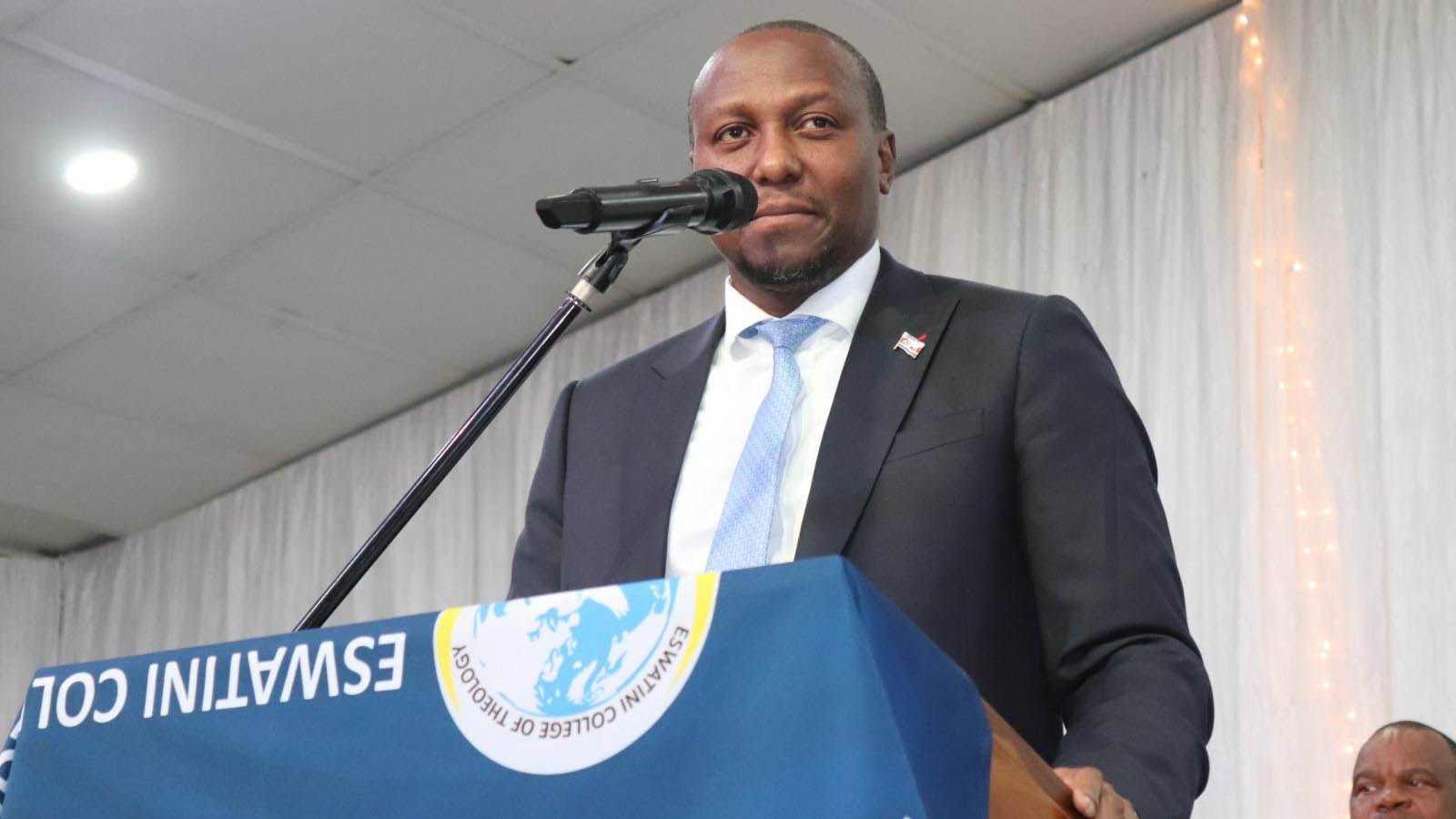
MBABANE – Tomorrow, the nation is expected to learn the decision taken by government regarding the electricity tariff hike that is expected to come into effect next month.
During an interview last Friday, Prime Minister Russell Mmiso Dlamini hinted that the statement could be issued as early as tomorrow.
“There are a few issues that Cabinet is still deliberating on. Once finalised, we will then issue the statement,” he said.
Last month, the PM assured the public that government would soon issue a statement addressing the increase in electricity prices.
“It will not be long before we issue a statement addressing the issue of electricity prices in the country,” he said.
He was responding to a question from the media regarding concerns that while over 80 per cent of homes in the country were connected to electricity, affordability remained a major concern.
Following this assurance, the nation has been waiting eagerly to hear the statement, with many hoping that it will include a reduction in the approved electricity tariff increase.
Notably, in February last year, government announced the reversal of a 14.67 per cent tariff increase to approximately eight per cent.
The announcement was made by the Minister for Natural Resources and Energy, Prince Lonkhokhela, who stated that government shared public concerns over the higher tariff averages of 14.67 per cent and 10.91 per cent initially approved by the Eswatini Energy Regulatory Authority (ESERA).
The minister explained that the reduction was government’s response to His Majesty King Mswati III’s call to alleviate emaSwati from financial strain and to ensure that public services remain accessible to all.
Had the minister not intervened, and had the full application been approved, it would have significantly affected domestic consumers, with E100 purchasing only 38 units of electricity compared to the current 40 units.
Recently, EEC management told this publication that it is awaiting engagement with government regarding possible financial assistance.
During the consultation exercise held across the country’s four regions to discuss the tariff increase, EEC management explained that the parastatal has been unable to generate sufficient operating cash flows, forcing it to resort to borrowing in order to sustain operations.
Among the factors contributing to high costs, management cited consultancy fees, noting that the company had undertaken a geo-scientific study across three regions of the country.
*…
No to EEC privatisation – Pm
MBABANE – Prime Minister (PM) Russell Mmiso Dlamini has strongly rejected calls to privatise the Eswatini Electricity Company (EEC).
The PM made his objection known during an interview with this publication last Friday.
When consultations were held countrywide on the electricity tariffs, submissions were made to the effect that EEC must perhaps be privatised since it is struggling financially.
Subsequently, the PM was asked to share government’s plan following a directive by His Majesty King Mswati III, who instructed government to work with EEC to find solutions to the company’s financial difficulties while also addressing the immediate challenges arising from higher electricity import prices.
Dlamini argued that government control is essential in ensuring electricity remains affordable for emaSwati.
The PM said he does not support the idea of privatising the State-owned utility, warning that such a move could lead to higher electricity prices for consumers.
“I will never support that suggestion. When you look at countries where there is sustainability, the government still has a stake in generating power and controlling the price,” Dlamini said.
He pointed to experiences in neighbouring South Africa, where energy sector reforms have faced challenges, suggesting that privatisation alone does not guarantee efficiency or stability in electricity supply.
Instead, Dlamini emphasised the need to strengthen management and operational efficiency within parastatals such as EEC.
“What government needs to do is bring efficiency. The issue of electricity is not new; it has been there for years,” he said. “We must ensure that we have the right leadership in these parastatals.”
The PM also reflected on missed opportunities in the country’s energy development, saying earlier leaders could have prioritised building domestic power generation capacity rather than relying heavily on imports.
“At one point, electricity was cheap for emaSwati and there was an opportunity to start building our own power station bit by bit,” he said. “We should have realised that depending on our neighbours is not sustainable.”
Currently, Eswatini imports a significant portion of its electricity, making the country vulnerable to supply constraints and price fluctuations in the regional market.
However, Dlamini said government is now working towards reducing that dependence, in line with the national development vision championed by His Majesty.
*Full article available on Pressreader*













Leave a comment