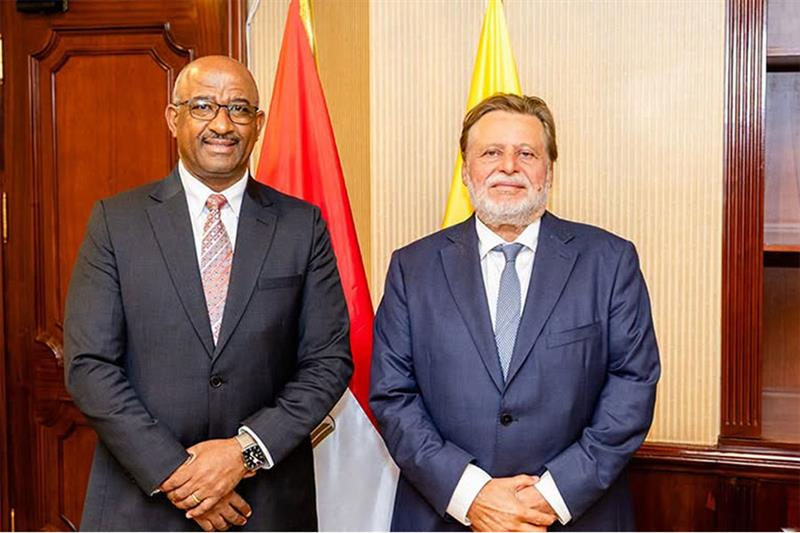
MBABANE – The Central Bank of Eswatini and Egypt have explored closer banking cooperation, focusing on cross-border payments, financial integration, gold reserves and institutional capacity development.
The Central Bank of Eswatini (CBE) and the Central Bank of Egypt have intensified efforts to strengthen financial cooperation, with discussions centring on cross-border payment systems, a proposed pan-African gold bank, banking sector development and knowledge sharing aimed at advancing intra-African trade.
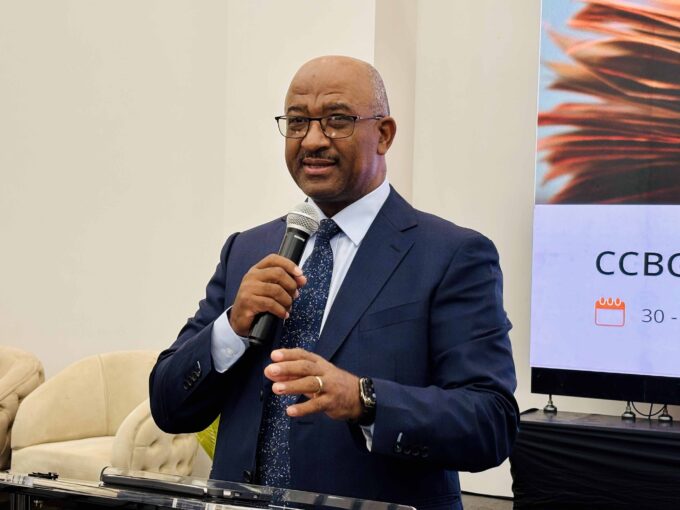
The high-level discussions reportedly took place in Cairo over the past weeks, where Central Bank of Eswatini Governor Dr Phil Mnisi met his Egyptian counterpart, Governor Hassan Abdalla, to explore opportunities for expanding collaboration across a broad range of banking and financial services.
According to a statement issued by the Central Bank of Egypt, the meeting forms part of a wider continental drive to strengthen Africa’s financial architecture by reducing dependence on external financial infrastructure while promoting seamless trade among African countries.
One of the major issues discussed was Eswatini’s potential participation in the Pan-African Payment and Settlement System (PAPSS), a continental payments platform designed to allow businesses and financial institutions to settle cross-border transactions using local currencies instead of relying on foreign currencies such as the United States Dollar.
Egypt, one of the early adopters of the system, shared its experience in implementing PAPSS and discussed how Eswatini could benefit from lessons learnt during the rollout of the platform.
The payment system is expected to significantly reduce transaction costs, minimise foreign exchange conversion expenses, shorten settlement periods and facilitate faster trade between African economies.
For countries such as Eswatini, which depend heavily on regional and international trade, joining PAPSS could enhance the efficiency of cross-border commerce while supporting the objectives of the African Continental Free Trade Area (AfCFTA).
The governors also examined progress on an ambitious initiative jointly spearheaded by the Central Bank of Egypt and the African Export-Import Bank (Afreximbank) to establish a pan-African bank specialising in gold.
The proposed institution seeks to help African Central Banks strengthen and diversify their gold reserves while reducing the continent’s dependence on overseas refining and gold trading centres.
The initiative is also expected to formalise Africa’s gold industry, strengthen regional value chains and increase the continent’s participation in global precious metal markets.
As global Central Banks increasingly diversify their reserve assets through gold holdings amid heightened geopolitical uncertainty and volatile financial markets, the proposed institution could provide African countries with greater financial resilience while keeping more value within the continent.
The Central Bank of Eswatini recently revealed that it holds 2 500 ounces of gold valued at approximately E195 million as part of its official reserve assets.
This marks a strategic move to diversify national reserves and hedge against global economic volatility. Mnisi said the acquisition of gold formed part of strategic efforts to strengthen reserve management efficiencies and hedge against external shocks and global market volatility.
“As part of strategic efforts to enhance reserves management efficiencies, in July 2025, the Central Bank acquired gold holdings to diversify its reserves portfolio as well as hedge against global risks,” he said.
The governor further revealed that the bank was exploring opportunities to increase its gold reserves through purchases from local production, in line with global central banking practices.
He explained that many Central Banks across the world are increasingly turning to gold as a safe-haven asset amid heightened geopolitical tensions, inflationary pressures and uncertainties in global financial markets.