

MBABANE – The AfDB-funded Road Infrastructure Improvement Programme Phase I is expected to increase trade volumes with South Africa and Mozambique by 5 per cent.
The 80.2 km Siphofaneni–Sithobela–Maloma–Nsoko (MR14) and the 25.7km Maloma–Siphambanweni (MR21) roads will cut transport costs and travel times by at least half, and improve connectivity, stimulate regional economic growth, and enhance community livelihoods. The roads form Phase I of the E2.8 billion (US$175.71 million) Eswatini Road Infrastructure Improvement Programme financed 80 per cent by the African Development Bank (AfDB) E2.2 billion and 20 per cent by the Government of Eswatini (over E500 million). The E2.8 billion programme, approved in 2024 is designed to improve domestic and regional connectivity and mobility through safe, efficient and cost-effective road infrastructure. The project is expected to give 100 000 people improved access to paved roads, construct 106 kilometres of climate-resilient roads, reduce average transport costs by 50 per cent and create 150 jobs. Most significantly from a trade perspective, the AfDB projects a 5 per cent increase in trade volumes between Eswatini and South Africa and Mozambique.
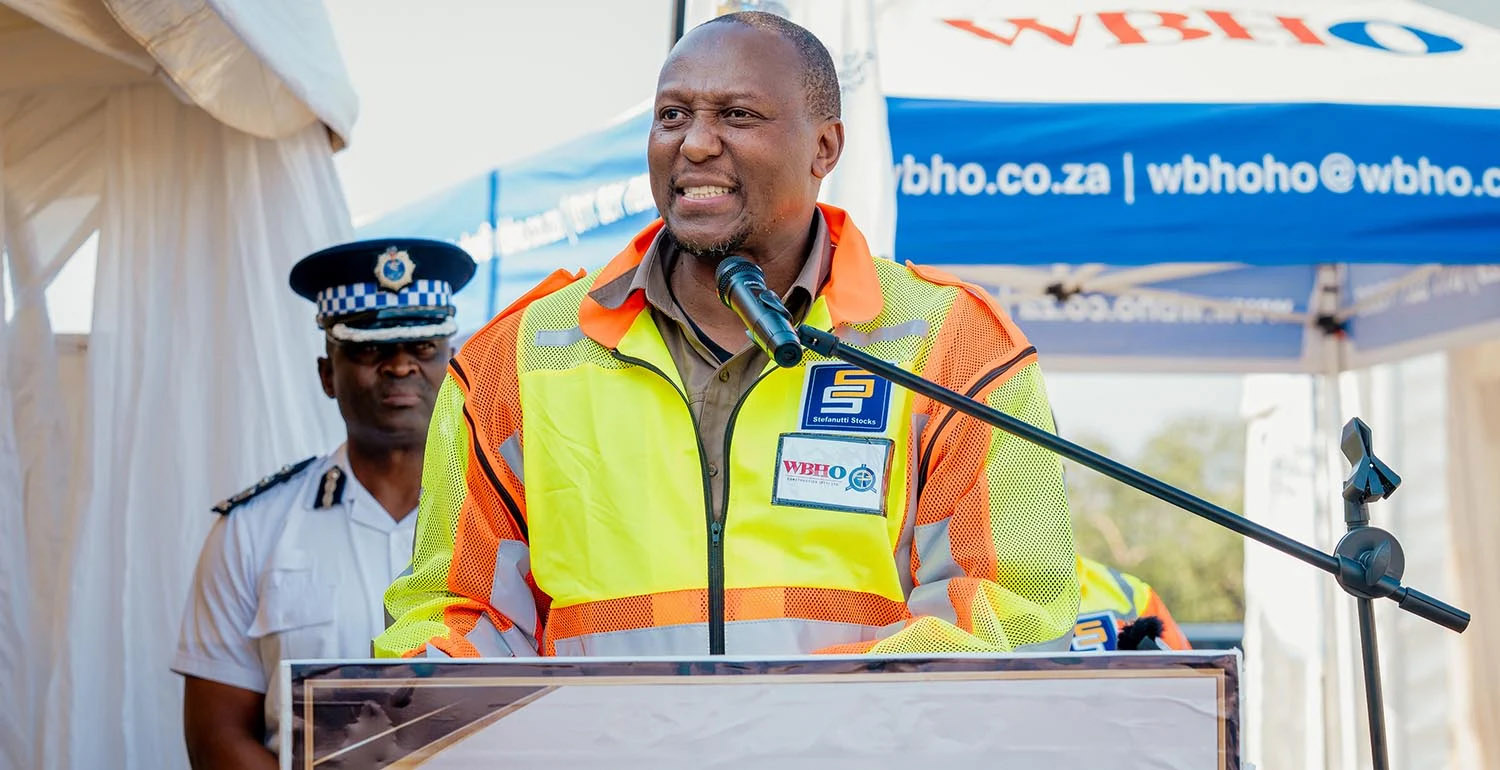
Prime Minister Russell Mmiso Dlamini launched the project in early July, describing it as part of a broader national infrastructure vision and highlighting its potential to transform communities in Lubombo and Shiselweni.
“We want the whole country to have tarred roads so that people can travel safely,” Dlamini said at the flag-off ceremony. The project is expected to reduce travel times and transport costs, improve access to markets and social services and create a platform for greater economic activity. It also includes axle-load control measures and a new weighbridge, as well as a pipeline of Public-Private Partnership and Output-based Performance Road Contract projects aimed at strengthening local contractor capacity and improving the sustainability of the country’s road network.
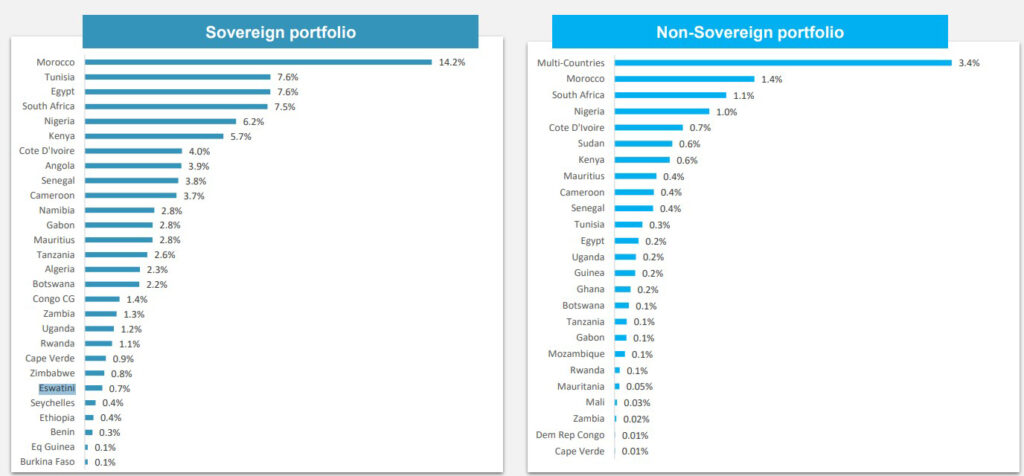
Beyond the road construction itself, 200 young people, including 80 girls, are expected to receive construction-skills training, while 50 will receive entrepreneurship training. Social infrastructure, including micro-water systems, schools, clinics and markets, will also be supported along the route. The project is, therefore, being positioned as an economic-development corridor rather than simply a transport intervention. The road programme is not an isolated intervention. The AfDB presentation places infrastructure connectivity at the centre of its strategy to improve intra-African trade and economic integration. The bank identifies poor infrastructure, non-tariff barriers and high cross-border trade costs as some of the major impediments to regional trade. It consequently advocates greater investment in physical infrastructure connectivity, energy markets, agribusiness integration, labour markets, education and training, cross-border water management and financial integration. This makes the Eswatini road project, particularly important because its targeted trade corridors connect the country with South Africa and Mozambique. The AfCFTA is expected, according to the presentation, to generate a 90 per cent share of intra-African trade, increase trade by US$450 billion and raise average incomes by 7 per cent by 2035, while potentially lifting 30 million people out of poverty. Eswatini’s road investment therefore fits into a much wider continental attempt to reduce the physical costs of trading across African borders.

















1 Comment