

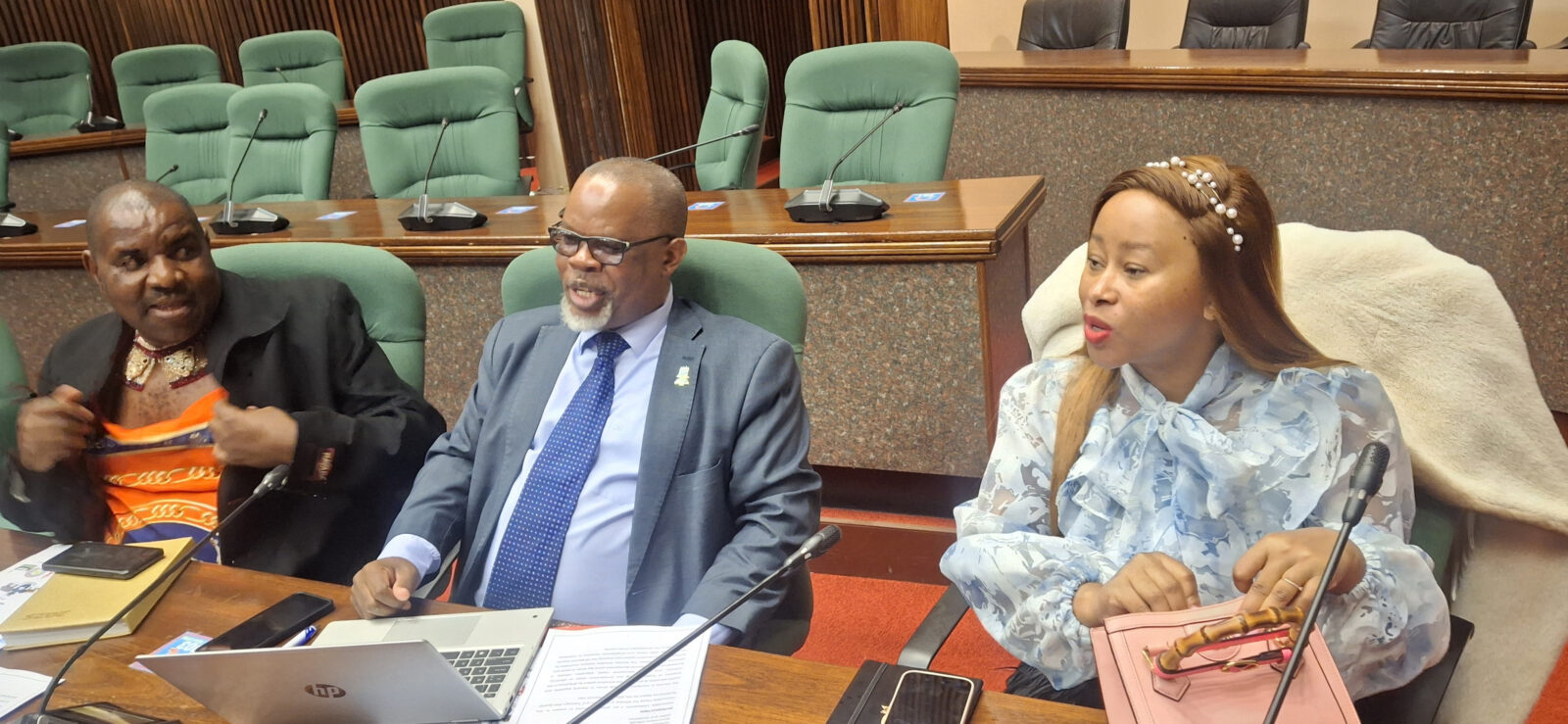
LOBAMBA – The Prime Minister (PM) Russell Mmiso Dlamini has been called to investigate if there are politicians who are housing foreign nationals involved in illegal online gambling, who are wanted in their home countries.
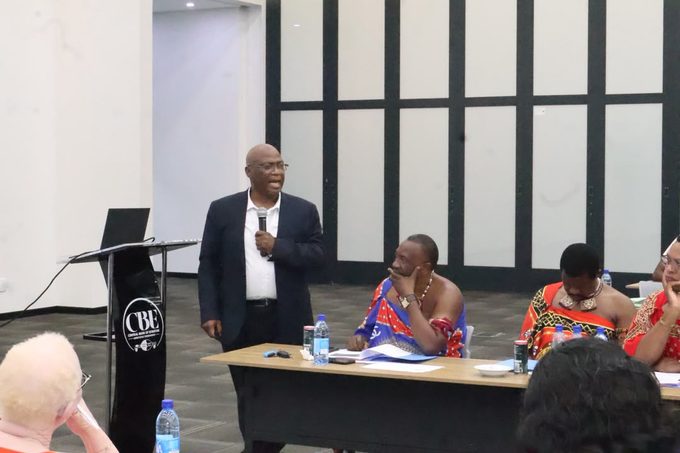
Senate Deputy President Ndumiso Mdluli said he is happy that Parliament is working on the Immigration Bill. The Bill, he said, can help address illegal gambling activities involving foreign nationals.
“We thank the Immigration Bill that has reached Parliament. We commend government,” Mdluli said.
He added that the legislation could help strengthen measures against illegal gambling. He said some foreign nationals are coming to Eswatini because penalties for illegal gambling are relatively low, making it easier for offenders to pay fines and continue operating.
Mdluli also sought clarity on the legal process governing foreign nationals arrested for illegal online gambling, particularly those who are granted bail before police seek to repatriate them.
He asked the PM to establish what the law provides regarding the deportation of such individuals.
The Senate deputy president further urged government to investigate whether politicians could be inadvertently providing accommodation to people involved in criminal activities.
“I also want to request the PM as well, he must investigate for us and ascertain if these criminals who have been involved in online gambling are not in the homes of some of us,” he said.
Mdluli disclosed that he personally owns a house which he rents out, saying politicians should ensure that their properties are not being used to accommodate people wanted in other countries.
He warned that, although property owners may be motivated by rental income, politicians have a responsibility to avoid facilitating criminal activities.
“Even though we need money, we need, as politicians, to avoid housing people who have committed criminal activities in the country and are wanted in their countries to answer for the crimes,” Mdluli said.
He suggested that government could consider engaging an agent to assist with identifying and preventing the accommodation of foreign nationals wanted in their countries.
Mdluli said such measures would help ensure that individuals wanted elsewhere for alleged criminal offences are dealt with according to the law and, where appropriate, returned to their home countries.
This happens at a time when this publication revealed that an investigation into a major foreign-run illegal online gambling and cyberfraud syndicate uncovered connections to senior politicians, law enforcement officers and immigration officials.
The revelations are contained in court papers filed before the High Court after members of the Royal Eswatini Police Service (REPS), working alongside INTERPOL forensic specialists and other international law enforcement agencies, successfully extracted information from more than 400 electronic devices seized during coordinated raids that dismantled the alleged syndicate earlier this year.
The electronic devices, which include mobile phones, laptops, desktop computers, tablets and other digital equipment, were seized from several premises, including Castle Hotel in Mbabane, where police allege the syndicate operated one of its principal command centres.
Investigators say the forensic examination has transformed what initially appeared to be an illegal online gambling investigation into an international organised crime probe spanning several continents.
According to Detective Constable Ntokozo Dlamini of the Organised Crime Unit, who forms part of the Multi-Agency Task Team investigating the matter, evidence extracted from the devices allegedly reveals an elaborate criminal organisation targeting victims in Brazil and India while simultaneously operating illegal online gambling platforms from Eswatini.
In his affidavit filed before court, Detective Constable Dlamini states that investigators observed what appears to be a link between the criminal enterprise and certain persons occupying positions of authority within the country.
He said evidence extracted from the electronic devices includes Telegram and WhatsApp conversations involving senior politicians, police officials, immigration officials and other individuals.
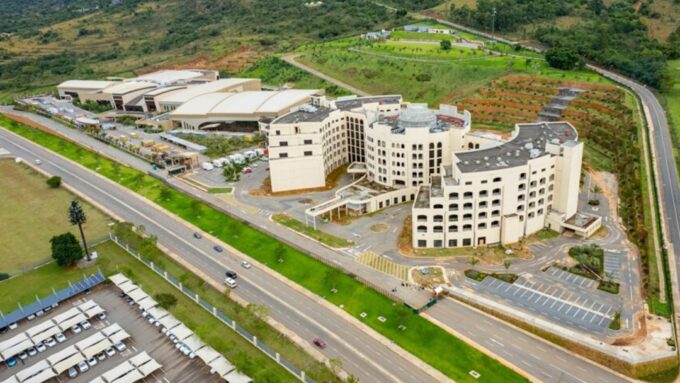
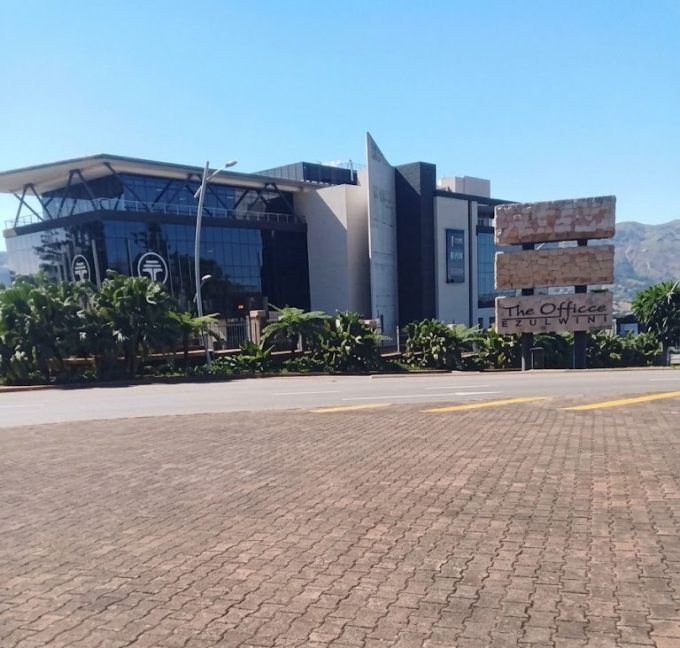
The latest revelations broaden the scope of investigations that began following dramatic police raids targeting foreign nationals suspected of operating illegal online gambling businesses from several locations in Mbabane and Ezulwini.
At the time, this publication reported extensively on the coordinated operation, which resulted in the arrest of hundreds of foreign nationals from several Asian countries after police uncovered what authorities described as sophisticated online gambling operations concealed behind hotels, guest houses and commercial buildings.
It reported that investigators seized hundreds of computers, mobile phones, servers, cash-counting machines and other electronic equipment believed to have been used in the commission of various offences.
While the initial investigation centred largely on illegal gambling and immigration-related offences, the forensic examination of the electronic devices has since opened an entirely new dimension to the investigation.
According to Detective Constable Dlamini, INTERPOL officers joined Eswatini investigators after more than 400 electronic devices were lawfully seized during the raids.
The devices underwent forensic imaging and analysis in accordance with international investigative protocols before investigators began examining the enormous volume of information recovered from the exhibits.
Police said the examination yielded substantial evidential material forming part of the ongoing investigation and expected to feature prominently during future criminal proceedings.
The affidavit identified alleged syndicate kingpin Tao Lyu as the central figure in what investigators described as a sophisticated international criminal enterprise.
According to investigators, proceeds generated through the various fraud schemes appeared to have been pooled before being converted into cryptocurrency.
Police alleged the funds were then converted into USDT before moving through financial institutions in Abu Dhabi and the United States of America before ultimately reaching Eswatini.












1 Comment